
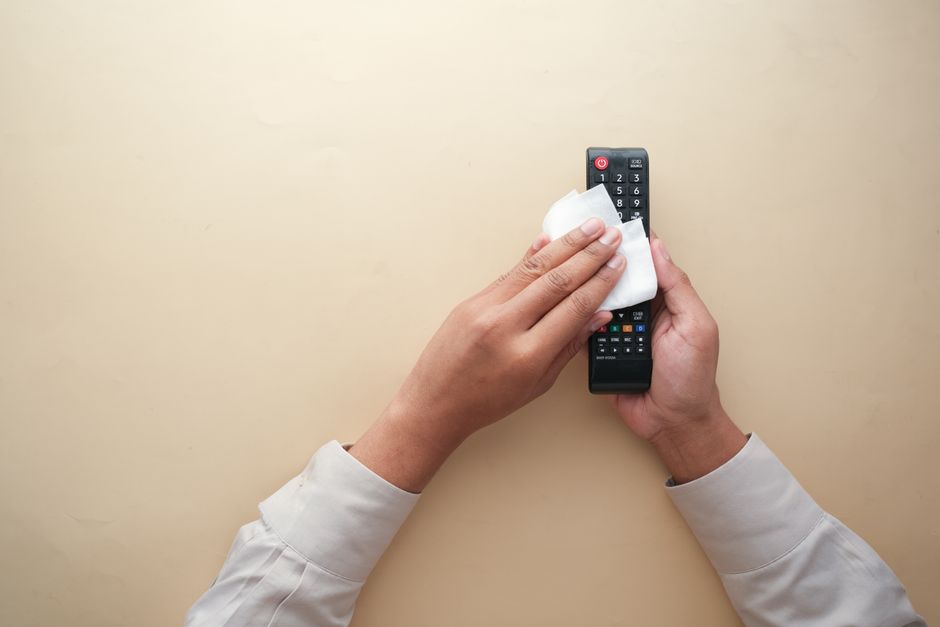
Yes, you can use alcohol wipes on glass lenses, and it will remove oil and grime quickly. But regular use can damage the coatings that most modern glasses have. That damage builds up over time. It is not visible after one wipe. It shows up months later as cloudy or hazy lenses.
Can You Use Alcohol Wipes On Glasses?
Alcohol does two things well. It dissolves oils and it kills many germs on contact. That is why it feels so effective on a smudged lens. The problem is what it does to the lens surface itself.
Most prescription glasses sold today have anti-reflective (AR) coatings. These are thin, layered films applied to the front and back of the lens. They cut glare and let more light through. Alcohol is a solvent. Repeated exposure can break down the outer layers of these coatings over time.
The damage is cumulative. One wipe will not ruin your lenses. A daily habit over a year or two can leave permanent streaks, cloudiness, or patchy areas where the coating has worn thin. Coating damage cannot be repaired. Once it happens, the lenses usually need to be replaced.
There is also a difference between lens materials. Glass lenses are more resistant to alcohol than plastic (CR-39 or polycarbonate) lenses. But most glasses today use plastic. And almost all of them carry coatings that are more fragile than the base material underneath.
What Does Alcohol Actually Do To Lens Coatings?
Anti-reflective coatings are not a single layer. They are stacks of thin metal oxide films, often with a hydrophobic or oleophobic top coat that repels water and oil. That top coat is the first thing alcohol attacks.
When the top coat wears away, the lens loses its smudge resistance. Fingerprints and water spots start sticking more. People often respond by cleaning more often, which speeds up the wear. The cycle continues.
Underneath, the AR layers can start to separate from the lens or from each other. This shows up as a hazy, milky, or rainbow-like film that will not come off with normal cleaning. It looks like a smudge but does not respond to a microfiber cloth.
Alcohol can also damage the frame over time. Acetate, some plastics, and certain painted finishes can become dull, sticky, or discolored with repeated alcohol exposure. Metal frames are usually more tolerant.
One detail worth knowing: lens coatings vary widely by manufacturer. Some are more alcohol-resistant than others. There is no universal standard, so you cannot assume your lenses will hold up the same way as someone else’s.
What Is The Safest Way To Clean Glasses?
The safest routine is simple and does not involve alcohol at all for routine cleaning.
- Rinse the lenses with lukewarm water first. This removes dust and grit that can scratch.
- Add a small drop of mild dish soap or a lens-safe cleaner.
- Rub gently with your fingertips, not a cloth, to avoid grinding particles into the surface.
- Rinse again and dry with a clean microfiber cloth.
For daily touch-ups, a dry microfiber cloth is usually enough. Microfiber lifts oil without solvent. If the cloth gets dirty, wash it with a mild detergent and no fabric softener. Fabric softener leaves a residue that smears lenses.
Avoid paper towels, tissues, and shirt tails. Wood fibers in paper can scratch coatings, even when they feel soft. This is one of the most common causes of fine scratches on lenses.
If you want a spray, look for one labeled safe for anti-reflective coatings. Most lens care products are formulated for this. They clean without the solvent strength of alcohol.



When Is It Okay To Use An Alcohol Wipe?
There are situations where an alcohol wipe is a reasonable choice. If your glasses are contaminated with something you want to disinfect, such as after contact with bodily fluids or during illness, a single alcohol wipe may be appropriate. In those cases, the hygiene benefit can outweigh the small risk to the coating.
If you do use one, use it sparingly. Wipe gently and do not scrub. Follow with a rinse and a microfiber dry if you can. Do not make it a daily habit.
Some lenses are marketed as alcohol-safe or have coatings designed to resist solvents. If you are unsure what your lenses have, ask your optician. They can tell you what coatings were applied and what the manufacturer recommends.
Do not use alcohol wipes on contact lenses under any circumstances. They are not designed for that, and alcohol can damage the lens material and irritate the eye. Contact lenses have their own cleaning and storage systems.
Can Alcohol Wipes Damage Your Eyes?
The wipe itself does not touch your eye. The concern is residue. If alcohol or cleaning agents are left on the lens and you put the glasses on before they fully dry, fumes or trace residue can irritate your eyes. This is more likely if you clean the lenses and wear them immediately.
Let lenses dry completely before wearing them. This is a simple step that reduces the chance of irritation.
There is no evidence that occasional alcohol exposure from lens cleaning causes eye disease. The main risk is to the lenses and, in sensitive people, minor irritation from residue or fumes. If you notice redness, burning, or watering after cleaning your glasses, rinse the lenses again with water and let them dry fully.
Do Alcohol Wipes Kill Germs On Glasses?
Alcohol does kill many bacteria and viruses on hard surfaces. That is well established. But glasses are not a flat, non-porous surface. They have nose pads, hinges, and frame crevices where germs can sit and where a wipe may not reach.
Cleaning your glasses does reduce germs on them. But it is not a substitute for hand washing or other hygiene measures. And the germ-killing benefit does not require alcohol. Soap and water also remove germs from lenses and frames effectively.
If you are trying to avoid illness, washing your hands and avoiding touching your face matter more than disinfecting your glasses. That is where the evidence is strongest.
What About Anti-Fog And Other Coatings?
Anti-fog coatings, blue light filters, and scratch-resistant layers are also vulnerable to solvents. The same logic applies. Repeated alcohol exposure can degrade these coatings over time.
Anti-fog coatings are often the most delicate. They work by changing how water spreads on the surface. A solvent can strip that layer, and the anti-fog effect may disappear. Once gone, it usually does not come back.
If your glasses have specialty coatings, treat them gently. Mild soap and water is the safest default for all of them.
The Bottom Line On Alcohol Wipes And Glasses
Alcohol wipes clean glasses well, but they are not the best routine choice. They can slowly wear down anti-reflective and other coatings. The damage is not obvious at first. It shows up later as cloudy, streaky, or hazy lenses that cannot be fixed.
For everyday cleaning, mild soap, water, and a clean microfiber cloth are safer and just as effective. Save alcohol wipes for situations where disinfection matters, and use them sparingly. If you are unsure what coatings your lenses have, ask your optician before making alcohol part of your routine.
Frequently Asked Questions
Can you use alcohol wipes on glasses without damaging them?
Occasional use is unlikely to cause immediate harm, but regular use can break down lens coatings over time. For routine cleaning, mild soap and water are safer.
What happens if you clean your glasses with alcohol every day?
Daily alcohol exposure can gradually wear away anti-reflective and hydrophobic coatings, leading to permanent cloudiness or streaks. The damage is cumulative and cannot be reversed.
Are alcohol wipes safe for all types of glasses?
No, they are riskier for plastic lenses with coatings, which most glasses have. Glass lenses without coatings tolerate alcohol better, but these are less common today.
What should I use instead of alcohol wipes on my glasses?
Lukewarm water with a drop of mild dish soap, dried with a clean microfiber cloth, is the safest routine. Lens-safe sprays made for anti-reflective coatings are also a good option.
