
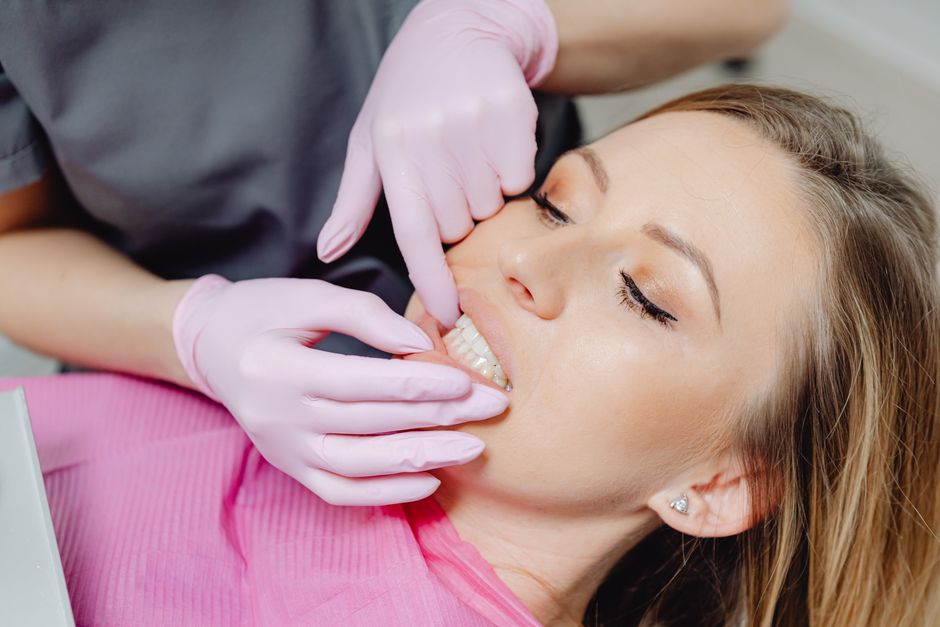
You just sat in the dentist’s chair for an hour. Your teeth are a few shades whiter. And now you are hungry. The first question that pops into your head is probably “How long after teeth whitening can I eat normally?” The short answer: wait at least 48 hours before eating normally. Some dentists recommend waiting a full 72 hours. During that time your teeth are more porous and vulnerable to staining. Eating the wrong foods too soon can undo the results you just paid for.
What Happens to Your Teeth During Whitening?
Whitening products use peroxide-based gels to open the pores in your enamel. This allows the gel to reach the dentin layer underneath. The chemical reaction breaks down stain molecules. That is what makes your teeth look whiter.
But here is the catch. After the treatment those pores stay open for a while. Your enamel is temporarily more porous. Think of it like a sponge that has been squeezed out. It will soak up anything it touches. The American Dental Association notes that this increased porosity lasts roughly 24 to 48 hours after most in-office treatments.
During this window your teeth are also more sensitive. The open pores expose the nerves in your dentin. Cold air hot coffee or acidic foods can cause sharp pain. This sensitivity is normal and temporary. But it is your body’s way of telling you to be careful with what you put in your mouth.
How Long After Teeth Whitening Can I Eat Normally?
The standard recommendation from most dentists is to wait 48 hours before returning to your regular diet. Some people can eat soft neutral foods after 24 hours. But full normal eating — including colored sauces coffee or wine — should wait until the 48-hour mark.
For at-home whitening kits the timeline is a bit different. You are applying the gel yourself over several days or weeks. Your enamel will be porous for a few hours after each application. The general rule is to avoid staining foods for at least two hours after you remove the tray. But many dentists suggest playing it safe and waiting four hours.
Research published in the Journal of the American Dental Association found that the risk of re-staining is highest in the first 24 hours after whitening. After 48 hours the enamel has rehydrated and the pores have closed enough that normal eating is safe. If you had a stronger in-office treatment with a light or laser your dentist may tell you to wait a full 72 hours. Always follow their specific instructions.
What Foods and Drinks Should You Avoid?
During the first 48 hours your teeth are like white t-shirts after a bleach soak. Anything dark will leave a mark. Here is what to skip:
- Dark beverages: Coffee tea red wine cola and dark juices like grape or cranberry
- Colored sauces: Tomato sauce soy sauce curry mustard and balsamic vinegar
- Brightly colored fruits: Blueberries blackberries cherries and pomegranates
- Dark chocolate and candy: Any candy with artificial coloring
- Acidic foods: Citrus fruits pickles and vinegar-based dressings
- Hot or cold extremes: Ice cream hot soup or frozen drinks that trigger sensitivity
The reason is simple. Dark pigments can seep into your open enamel pores. Acidic foods can erode the enamel further and worsen sensitivity. Hot and cold extremes can cause pain because your nerves are more exposed than usual.
Some people report that white wine is safe. That is not entirely true. White wine is acidic and can soften enamel. It may not stain directly but it makes your teeth more vulnerable to staining from other foods you eat at the same time. Stick to water.



What Can You Safely Eat While Waiting?
The good news is you do not have to starve yourself. There are plenty of foods that will not stain your teeth or cause pain. The key is to eat foods that are white or very light in color. They should also be soft and non-acidic.
Here is a quick comparison of safe versus risky foods:
| Safe to Eat | Avoid |
|---|---|
| Plain white rice | Tomato-based pasta |
| Boiled or baked chicken (no sauce) | BBQ or soy sauce chicken |
| White fish | Salmon or tuna |
| Plain yogurt | Fruit-flavored yogurt |
| Mashed potatoes (no gravy) | French fries with ketchup |
| Bananas | Berries or cherries |
| Cauliflower or white onion | Spinach or beets |
| White bread or plain crackers | Dark bread or colored crackers |
| Water and milk | Any colored drink |
Some people suggest eating cheese because it is white and high in calcium. That is fine. Just avoid aged cheeses like cheddar or gouda that have a yellow or orange tint. Stick to mozzarella ricotta or cream cheese.
If you are hungry between meals plain rice cakes or unsalted crackers are good options. They are neutral and will not cause sensitivity. Drink water throughout the day to stay hydrated and help your enamel rehydrate faster.
Does Using a Straw Help Protect Your Results?
You might have seen advice online saying you can drink coffee or red wine through a straw after whitening. The idea is that the liquid bypasses your front teeth. This is widely claimed but strong evidence is limited.
Here is what we know. Using a straw does reduce contact between the liquid and your front teeth. But it does not eliminate it entirely. Some liquid still touches your teeth especially your back molars. And if you are drinking something acidic like coffee or wine the acid can still soften enamel even if the pigment does not directly stain.
The CDC reports that sugary drinks consumed through a straw still increase your risk of cavities because the sugar reaches all parts of your mouth. The same logic applies to staining. The straw helps a little but it is not a free pass to drink dark beverages during the 48-hour window.
If you absolutely must have coffee use a straw and rinse your mouth with water immediately after. But the honest answer is that waiting is better. Your whitening results will last longer if you give your enamel the full two days to close up.
Common Misconceptions About Eating After Whitening
There is a lot of bad advice floating around. Let me clear up a few things that are not backed by evidence.
Myth: You can eat normally after 24 hours if you brush immediately. Brushing right after eating can actually damage your enamel. Your teeth are softer after whitening. Brushing too soon can wear down the surface. Wait at least 30 minutes after eating to brush. And use a soft-bristled toothbrush.
Myth: White chocolate is safe. White chocolate is mostly sugar and cocoa butter. It does not have dark pigments. But it is sticky and can cling to your teeth. The sugar feeds bacteria that produce acid. That acid can weaken enamel. Stick to non-sticky foods.
Myth: You can drink diet soda because it is clear. Clear soda is still highly acidic. The acid can erode your enamel and make sensitivity worse. Some studies suggest that diet soda is just as damaging to enamel as regular soda. Water is the only safe drink during the waiting period.
Myth: Whitening strips require the same waiting time as in-office treatments. At-home strips use lower concentrations of peroxide. The porosity window is shorter usually about two to four hours after each application. But the cumulative effect over a two-week treatment means your enamel is repeatedly opening and closing. Avoid staining foods throughout the entire treatment period for best results.
What to Do If You Accidentally Eat Something Staining
Mistakes happen. You might grab a coffee out of habit or forget about the berries in your yogurt. Do not panic. One slip-up will not ruin your entire whitening result. But you should act quickly.
Rinse your mouth with water immediately. Swish it around for 30 seconds to remove as much pigment as possible. Do not brush your teeth right away. Brushing can push the pigment deeper into the open pores. Wait 30 minutes then brush gently with a soft toothbrush and non-abrasive toothpaste.
Some dentists recommend using a fluoride mouthwash after rinsing. Fluoride helps remineralize enamel and can reduce sensitivity. It also creates a protective layer that makes it harder for stains to stick. This is not a cure-all but it can help minimize damage.
If you notice a stain after the 48-hour window has passed you can try a touch-up treatment. Many whitening kits include a maintenance gel. Or you can use a whitening toothpaste. But avoid over-whitening. Too much peroxide can damage enamel and cause permanent sensitivity.
Frequently Asked Questions
Can I drink water immediately after teeth whitening?
Yes, water is safe to drink right after whitening. It will not stain your teeth and it helps rinse away any remaining gel.
How long after whitening can I eat pizza?
Wait at least 48 hours before eating pizza. The tomato sauce and cheese can both cause staining and sensitivity.
Can I eat yogurt after teeth whitening?
Plain white yogurt is safe to eat after 24 hours. Avoid fruit-flavored or colored yogurts until after 48 hours.
Is it safe to eat bread after whitening?
Plain white bread is safe after 24 hours. Avoid whole wheat or dark breads until after 48 hours.
