
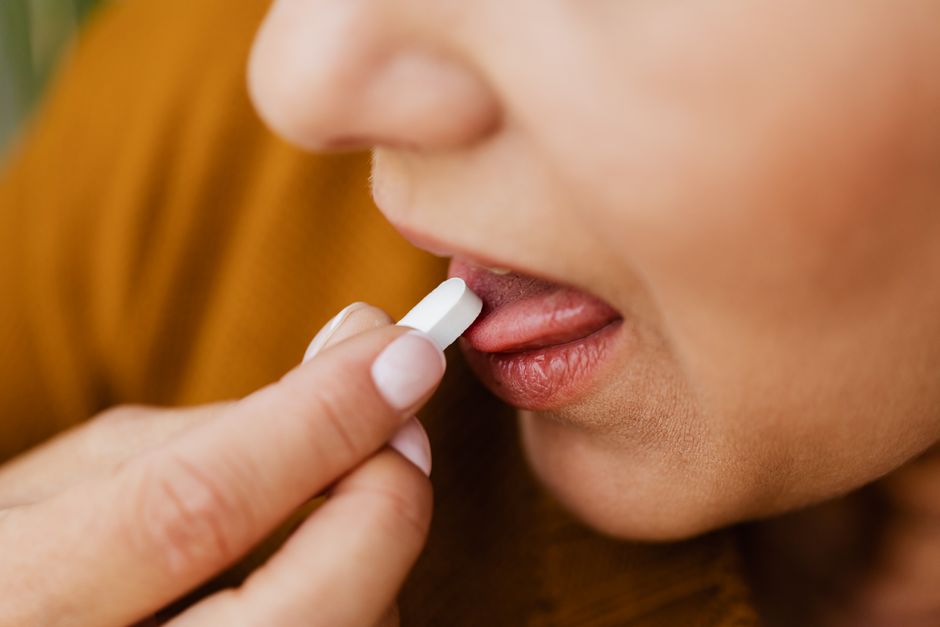
If you take naproxen and want to drink alcohol, the safest approach is to wait until the medication has fully left your system. For most people, that means waiting at least 24 hours after your last dose. Naproxen has a long half-life of 12 to 17 hours, meaning it takes roughly one to two days for your body to eliminate it completely. Drinking alcohol sooner increases your risk of stomach bleeding, liver stress, and other side effects. This is not about being overly cautious — it is about how these two substances interact inside your body.
How Does Naproxen Work and Why Does Alcohol Matter?
Naproxen belongs to a class of drugs called nonsteroidal anti-inflammatory drugs (NSAIDs). It works by blocking enzymes called COX-1 and COX-2. These enzymes produce prostaglandins, which are chemicals that cause inflammation, pain, and fever. By blocking them, naproxen reduces pain and swelling.
But COX-1 also protects your stomach lining. When naproxen blocks COX-1, that protective layer gets thinner. Your stomach becomes more vulnerable to irritation and bleeding. Alcohol does the same thing — it irritates the stomach lining and can cause inflammation. Combine the two, and the risk of stomach bleeding goes up significantly.
The CDC reports that mixing NSAIDs like naproxen with alcohol increases the risk of gastrointestinal bleeding by about 3 to 5 times compared to taking either substance alone. This is not a small effect. It is a real, measurable risk that affects thousands of emergency room visits each year.
How Long After Taking Naproxen Can I Drink Alcohol Safely?
The general medical recommendation is to wait at least 24 hours after your last dose of naproxen before drinking alcohol. This gives your body enough time to clear most of the drug from your system. Naproxen has a half-life of 12 to 17 hours, so after 24 hours, roughly 50 to 75 percent of the drug is eliminated. After 48 hours, it is mostly gone.
However, the exact time depends on several factors. Your age, kidney function, liver health, and how much naproxen you took all play a role. Older adults and people with kidney problems clear naproxen more slowly. If you take naproxen regularly or at high doses, it can build up in your system and take longer to leave.
Some people report feeling fine after drinking a few hours after taking naproxen. That does not mean it is safe. Stomach damage can happen without any immediate symptoms. The danger is cumulative — repeated mixing of naproxen and alcohol increases your risk over time.
What Are the Specific Risks of Mixing Naproxen and Alcohol?
Stomach bleeding is the most serious risk. When naproxen thins your stomach lining and alcohol irritates it, even small amounts of alcohol can trigger bleeding. Symptoms include black or bloody stools, vomiting blood, and stomach pain. These require immediate medical attention.
Liver stress is another concern. Both naproxen and alcohol are processed by the liver. When you take them together, your liver has to work harder. For most healthy people, this is not an immediate problem. But for those with liver conditions or heavy drinkers, it can lead to elevated liver enzymes or worse.
Kidney function can also be affected. NSAIDs reduce blood flow to the kidneys. Alcohol dehydrates you, which further strains the kidneys. Together, they can cause acute kidney injury in vulnerable individuals, especially older adults or those with existing kidney disease.
Other side effects include increased dizziness, drowsiness, and impaired coordination. Both naproxen and alcohol affect the central nervous system. Combining them can make you feel more sedated than expected, which increases the risk of falls or accidents.



Does the Type of Naproxen or Alcohol Matter?
The form of naproxen does not change the risk much. Whether you take over-the-counter Aleve or a prescription-strength version, the same basic interaction applies. Higher doses mean higher risk. Prescription naproxen is typically 500 to 1000 mg per day, compared to 440 mg for over-the-counter versions.
The type of alcohol also does not matter in terms of stomach risk. Beer, wine, and liquor all irritate the stomach lining. However, the amount matters. The more alcohol you drink, the greater the risk. One drink is less risky than three, but even one drink can cause problems if your stomach lining is already compromised by naproxen.
Some people wonder if taking naproxen with food protects the stomach. Food does help reduce direct irritation, but it does not block the COX-1 enzyme effect. The stomach lining remains thinner regardless of whether you eat. Food is not a shield.
What Does Research Say About Naproxen and Alcohol Interaction?
Research published in the journal Alimentary Pharmacology and Therapeutics found that NSAID users who drank alcohol had a significantly higher risk of upper gastrointestinal bleeding compared to non-users. The study specifically noted that naproxen, due to its long half-life, posed a greater risk than shorter-acting NSAIDs like ibuprofen.
A 2023 review in Drug Safety confirmed that the combination of NSAIDs and alcohol increases the risk of gastrointestinal complications by 2 to 5 times. The review emphasized that the risk is dose-dependent — higher doses of either substance increase the danger.
The American Gastroenterological Association recommends avoiding alcohol entirely while taking NSAIDs, especially if you have a history of ulcers, bleeding, or stomach problems. For people without such history, the recommendation is to minimize alcohol use and wait as long as possible between the last dose and any drinking.
There is no research showing that small amounts of alcohol are safe with naproxen. The studies consistently show increased risk at any level of alcohol consumption. The safest option is to avoid alcohol entirely while taking naproxen.
How to Time Naproxen and Alcohol If You Need Both
If you absolutely must take naproxen and plan to drink, timing is everything. Take naproxen as early in the day as possible, preferably with a meal. Then wait at least 24 hours before having any alcohol. If you drink in the evening, do not take naproxen the next morning — wait until the alcohol is fully cleared.
Here is a practical example: If you take naproxen at 8 AM on Monday, the safest time to drink is after 8 AM on Tuesday. Even then, your body still has some naproxen in it. If you want to be more cautious, wait 48 hours.
For people who take naproxen regularly for chronic pain, the math is harder. You cannot easily find a 24-hour window without the drug in your system. In that case, the recommendation is to avoid alcohol entirely while on the medication. Talk to your doctor about alternatives like acetaminophen, which has a different risk profile with alcohol, though it carries its own liver risks.
Some people try to “save” their naproxen dose for after drinking. That is not safer. Taking naproxen after alcohol still combines the two substances in your system. The only safe approach is to let one substance fully clear before introducing the other.
Common Misconceptions About Naproxen and Alcohol
Misconception 1: Ibuprofen is safer than naproxen with alcohol. Ibuprofen has a shorter half-life of 2 to 4 hours, so it clears your system faster. But it still carries the same stomach bleeding risk when combined with alcohol. Neither is safe — naproxen just stays in your body longer, extending the risk window.
Misconception 2: Taking naproxen with food eliminates the risk. Food reduces direct stomach irritation but does not prevent the COX-1 enzyme blockade. Your stomach lining remains vulnerable. Food is helpful but not protective.
Misconception 3: Only heavy drinkers need to worry. Even one drink can trigger bleeding in a stomach that is already compromised by naproxen. The risk is lower with one drink, but it is not zero. People with a history of ulcers or stomach issues are at higher risk regardless of alcohol amount.
Misconception 4: Enteric-coated naproxen is safer with alcohol. Enteric coating helps the pill pass through the stomach before dissolving, which reduces direct irritation. However, it does not change the systemic effect of COX-1 blockade. The stomach lining is still thinner. The risk remains.
Frequently Asked Questions
Can I drink alcohol 12 hours after taking naproxen?
No, 12 hours is not enough time. Naproxen has a half-life of 12 to 17 hours, meaning half the drug is still in your system. Wait at least 24 hours to reduce stomach bleeding risk.
What happens if I drink alcohol while taking naproxen?
You increase your risk of stomach bleeding, liver stress, and kidney strain. The combination can also cause more dizziness and drowsiness than either substance alone.
Is it safe to drink one beer with naproxen?
No amount of alcohol is fully safe with naproxen. Even one beer increases stomach bleeding risk, especially if you have a history of ulcers or stomach problems.
How long does naproxen stay in your system?
Naproxen stays in your system for 1 to 2 days. It takes about 48 hours for the drug to be mostly eliminated, though 24 hours is the minimum recommended wait before drinking.
