
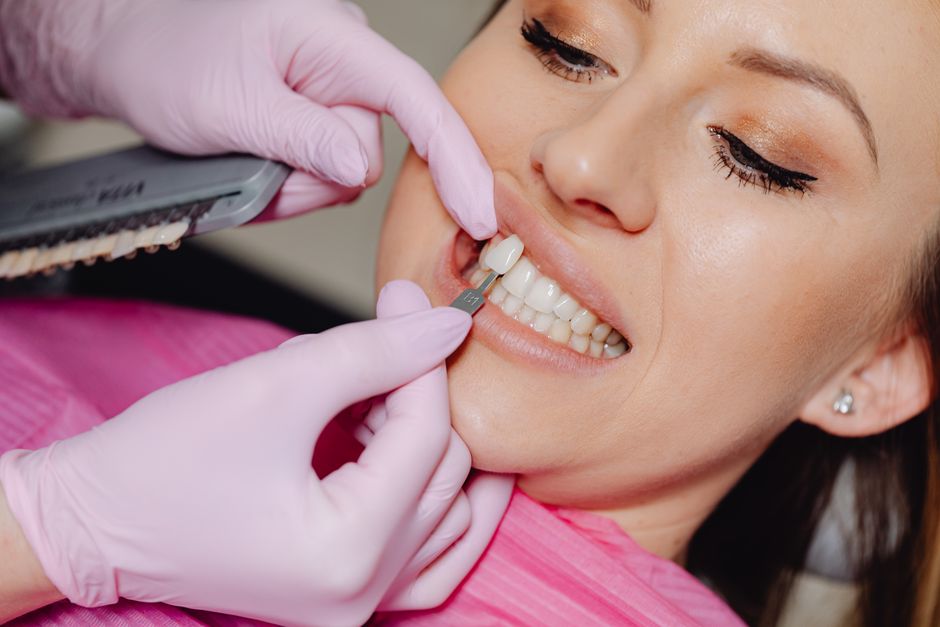
Dental veneers can last anywhere from 10 to 15 years with good care, and some people get even longer. The daily habits that matter most are simple: brush gently with a soft toothbrush and non-abrasive toothpaste, floss every day, avoid biting hard objects, and keep regular dental checkups. What you avoid matters just as much as what you do — veneers are thin shells bonded to your teeth, and they can chip, stain, or come loose if you treat them like natural enamel.
What Are Dental Veneers and How Do They Work?
Veneers are custom-made shells that cover the front surface of your teeth. Most are made from either porcelain or composite resin. A dentist bonds them to your existing teeth to change their shape, color, size, or length.
Porcelain veneers are the more common choice for long-term results. The material resists staining better than natural tooth enamel and looks more like real teeth. Composite resin veneers cost less but tend to stain more easily and may need replacement sooner.
The bonding process matters for how long they last. Before porcelain veneers are placed, a dentist typically removes a small amount of enamel from the tooth surface. This is permanent — the enamel does not grow back. That is one reason veneers are considered a long-term commitment, not a reversible cosmetic procedure.
Once bonded, the veneer becomes part of your tooth’s outer surface. It does not decay the way natural enamel can, but the tooth structure underneath still can. The margin where the veneer meets the gum line is a vulnerable spot. If bacteria collect there, decay can develop underneath the veneer where you cannot see it.
How To Maintain Veneers Tips For Long Lasting Results
Your daily routine either protects your veneers or shortens their life. The goal is to keep the bonding interface clean and intact while avoiding forces that can crack or dislodge the material.
Brushing and toothpaste choices
Use a soft-bristled toothbrush. Medium and hard bristles can scratch the surface of porcelain over time and irritate your gums. Brush twice a day for two minutes, but use light pressure. Scrubbing hard does not clean better and can wear down the bonding edge.
Avoid abrasive toothpastes. Whitening toothpastes and products labeled “tartar control” often contain rougher particles. These particles cannot whiten porcelain — the color is built into the material — and they can dull the surface finish. A basic fluoride toothpaste is the better choice.
Flossing and oral hygiene
Floss daily. This is not optional for veneer wearers. The edges of veneers create small ledges where plaque collects. Flossing removes that plaque before it can cause gum inflammation or decay at the margin.
Some dentists recommend a water flosser in addition to string floss, especially around the gum line. Either way, the key is cleaning the area where the veneer meets the tooth and gum.
What to avoid
Porcelain is strong but brittle. It can chip under sudden force. Habits that put stress on your front teeth are the main risk:
- Chewing ice
- Biting fingernails
- Opening packages with your teeth
- Chewing on pens or pencils
- Biting into very hard foods like bones, hard candy, or unpopped popcorn kernels
If you grind or clench your teeth at night, talk to your dentist about a night guard. Grinding puts repeated pressure on veneers and is a common reason they fail early. A custom guard made by your dentist fits better than an over-the-counter one and protects both the veneers and your natural teeth.
Can Veneers Stain or Change Color?
Porcelain veneers resist staining well. The material is non-porous, so coffee, tea, red wine, and tobacco do not penetrate the surface the way they do natural enamel. This is one of the main advantages of porcelain over composite resin.
Composite resin veneers are more porous. They can pick up color from dark beverages and tobacco over time. If you have composite veneers, limiting these items or rinsing with water after consuming them may help. Some dentists can polish composite veneers to refresh their appearance.
The bigger color concern is the teeth around your veneers. Your natural teeth can yellow with age, but porcelain does not. Over years, this can create a visible mismatch. Regular professional cleanings help, and your dentist can advise on options if the contrast becomes noticeable.
One point that surprises many people: whitening products do not work on porcelain. If you want to whiten your natural teeth after getting veneers, the whitening gel will change your natural teeth but not the veneers. That can make the color difference worse, not better. Discuss any whitening plans with your dentist first.





Do You Still Need Dental Checkups With Veneers?
Yes, and they matter more than ever. Veneers do not protect the tooth underneath from decay. In fact, problems at the margin can be harder to spot because the veneer covers the area.
Professional cleanings remove plaque and tartar that home brushing cannot reach. Your dentist can also check the bonding edges for gaps, chips, or signs of decay underneath. Catching a small problem early is usually simpler and less expensive to fix than waiting until a veneer loosens or a tooth aches.
How often you need checkups depends on your oral health. Many dentists recommend visits every six months, but some people need more frequent care. Follow the schedule your dentist recommends for your situation.
Tell your hygienist that you have veneers before the cleaning starts. Some dental tools, like ultrasonic scalers, can be used around veneers, but your provider should know so they can adjust their technique if needed.
What Habits Protect Veneers Long-Term?
Small daily choices add up over the years. These habits support both your veneers and your overall oral health.
- Wear a mouthguard during contact sports. A hit to the mouth can crack or knock off a veneer.
- Address acid reflux with your doctor. Stomach acid can erode the bonding edge over time.
- Limit sugary drinks and snacks. They feed the bacteria that cause decay at the veneer margin.
- Drink water after acidic foods and drinks to help rinse your mouth.
- Do not use your teeth as tools. Tearing tape, holding objects, or opening things with your teeth puts stress on the edges.
If you notice a veneer feels loose, sharp, or different when you bite, call your dentist. A loose veneer can often be re-bonded if you act quickly. Waiting can allow bacteria to get underneath and lead to bigger problems.
How Long Do Veneers Last and When Do They Need Replacing?
Porcelain veneers commonly last 10 to 15 years. Some last longer with excellent care, and some fail sooner. Composite resin veneers generally have a shorter lifespan and may need replacement or repair within a few years.
Several factors affect how long yours last:
- Your daily hygiene habits
- Whether you grind or clench your teeth
- What you eat and drink
- How well the veneers were placed
- Whether you keep up with dental visits
Signs it may be time for repair or replacement include chips, cracks, a loose edge, visible darkening at the margin, or a change in how your bite feels. Your dentist can assess the condition at your regular visits.
Replacement is not always a full set. Sometimes a single veneer can be repaired or replaced. The cost and process depend on the type of veneer and the condition of the tooth underneath.
One clarification worth knowing: veneers are not a permanent fix that never needs attention. They are a durable restoration, but they are still restorations. Treating them as permanent can lead people to skip the care that actually makes them last.
Frequently Asked Questions
Can I whiten my teeth if I have veneers?
Whitening products do not change the color of porcelain veneers. If you whiten your natural teeth, the color difference between them and your veneers may become more noticeable.
What happens if a veneer comes off?
Save the veneer if you can and call your dentist promptly. A veneer that has come off can often be re-bonded, but the tooth underneath needs to be checked for damage or decay first.
Are veneers worth it compared to other options?
Veneers can improve the appearance of chipped, stained, or uneven teeth, but they require removing some enamel permanently. Crowns, bonding, and orthodontics are alternatives with different trade-offs. Discuss the options with your dentist based on your specific goals.
Can I eat normally with veneers?
Yes, most foods are fine. The main restriction is avoiding very hard objects like ice, bones, and hard candy that can crack the porcelain.
