
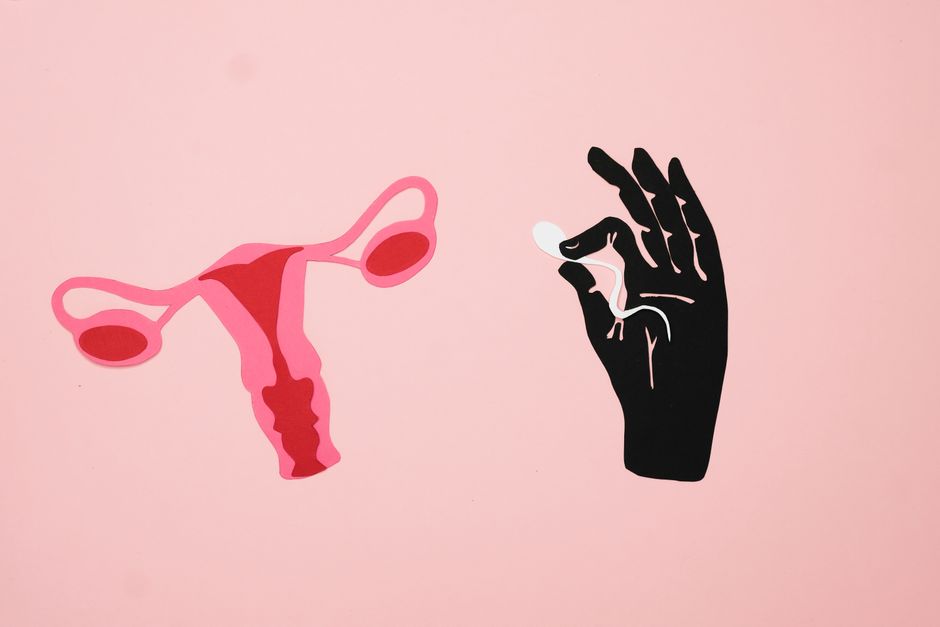
An egg can be fertilized for roughly 12 to 24 hours after it is released from the ovary. That window is short, but it is not the whole story of when pregnancy can happen. Sperm can survive in the female reproductive tract for up to about five days, which means sex in the days before ovulation can lead to fertilization even though the egg itself lives for only a day or so.
Understanding this timing matters for anyone trying to conceive or trying to avoid pregnancy. The egg and the sperm have very different lifespans, and that mismatch is the key to how the fertile window works.
What Happens During Ovulation?
Ovulation is the release of a mature egg from one of the ovaries. Each month, hormonal signals from the brain and the ovaries cause a follicle to grow and eventually rupture, releasing the egg into the pelvic cavity near the end of the fallopian tube.
The egg is then picked up by the fringed ends of the fallopian tube and begins its journey toward the uterus. If sperm are present in the tube, fertilization can occur there. This whole sequence is driven by a surge in luteinizing hormone, which triggers the follicle to release its egg roughly a day to a day and a half after the surge begins.
Most women ovulate about midway through their cycle, but this varies widely. A 28-day cycle is often described as typical, yet many healthy women have cycles that are shorter or longer, and the timing of ovulation shifts accordingly. Ovulation does not always happen on day 14, and it does not always happen at the same time each month.
How Long After an Egg Is Released Can It Be Fertilized?
The fertile life of the egg is short — generally about 12 to 24 hours after release. If fertilization does not happen within that window, the egg begins to break down and can no longer be fertilized.
This is where the timing gets interesting. Because sperm can live in the reproductive tract for up to about five days, the days leading up to ovulation are actually the most fertile. Sperm deposited a few days before the egg is released can wait in the fallopian tube and be ready when ovulation occurs.
Put together, this creates a fertile window of about six days: the five days before ovulation plus the day of ovulation itself. The chance of pregnancy is highest in the two days before ovulation and on the day of ovulation, because fresh sperm are present when the egg arrives.
One point that is often misunderstood: the egg does not wait around for days. Its window is measured in hours. The reason the fertile window is longer than a day comes entirely from sperm survival, not from the egg.
How Long Do Sperm Survive in the Body?
Sperm survival is the variable that stretches the fertile window. Under favorable conditions — fertile cervical mucus that protects and nourishes them — sperm can remain viable in the female reproductive tract for up to about five days.
Not all sperm live that long. Most survive for a shorter time, and the five-day figure represents the upper end of the range observed in studies of sperm survival. Sperm that reach the fallopian tube, where fertilization takes place, tend to survive longer than those left in the vagina, where the environment is more acidic.
This is why the timing of sex relative to ovulation matters so much. Intercourse on the day of ovulation can lead to pregnancy, but so can intercourse several days earlier, if healthy sperm are still alive when the egg is released.





Why Is the Fertile Window Longer Than the Egg’s Lifespan?
The fertile window lasts about six days because it combines two different clocks. The egg’s clock runs for 12 to 24 hours. The sperm’s clock runs for up to about five days.
When these overlap, pregnancy is possible. Before ovulation, only sperm are present, waiting. At ovulation, the egg appears. For the next several hours to a day, both are present, and fertilization can occur. After the egg’s window closes, no further fertilization is possible for that cycle.
This is also why tracking ovulation alone can be misleading for people trying to conceive. By the time ovulation is confirmed, the most fertile days may already have passed.
How Can You Estimate Your Fertile Window?
Several methods can help estimate when ovulation is likely, though none is perfectly precise. Each has strengths and limits.
- Cycle tracking: Counting days works best for women with regular cycles, but ovulation timing can shift from month to month.
- Basal body temperature: A slight rise in waking temperature usually confirms that ovulation has already happened, so it is better for confirming than predicting.
- Ovulation predictor kits: These detect the luteinizing hormone surge in urine, which typically precedes ovulation by about a day to a day and a half.
- Cervical mucus changes: As ovulation approaches, mucus often becomes clearer, wetter, and more stretchy, which can signal higher fertility.
Combining methods generally gives a better picture than relying on any single one. Still, none of these can tell you exactly when an egg will be released or exactly how long it will remain fertilizable.
Does the Egg’s Short Lifespan Affect Pregnancy Chances?
Yes, and it explains why timing matters so much. Because the egg is only fertilizable for a short time, the days just before ovulation carry the highest chance of conception.
Research on conception timing has consistently found that the probability of pregnancy is greatest when intercourse occurs in the two days before ovulation and on the day of ovulation. The chance drops sharply after ovulation, once the egg’s window has closed.
This does not mean pregnancy is impossible at other times. It means the odds are concentrated in a narrow stretch of days. For couples trying to conceive, focusing on that window tends to be more useful than trying to pinpoint the exact moment of ovulation.
What About Trying to Avoid Pregnancy?
The same biology that helps couples conceive also informs fertility awareness methods. If the egg lives only 12 to 24 hours and sperm live up to about five days, then avoiding unprotected sex during the fertile window can reduce the chance of pregnancy.
That said, fertility awareness methods require careful tracking and consistent use. Their effectiveness depends heavily on how accurately a person identifies their fertile window, and ovulation timing can be unpredictable, especially in women with irregular cycles. No method of pregnancy avoidance is perfectly reliable when used on its own, and the short egg lifespan does not make timing-based methods foolproof.
Common Misconceptions About Egg and Sperm Timing
A few ideas about this topic circulate widely and are worth clearing up.
One is that the egg can be fertilized for several days. It cannot. The egg’s fertilizable life is measured in hours, not days. The longer fertile window comes from sperm survival.
Another is that ovulation always happens on day 14 of the cycle. It does not. Ovulation timing varies from woman to woman and from cycle to cycle, even in the same person.
A third is that pregnancy can only result from sex on the day of ovulation. In reality, sex in the days before ovulation can lead to pregnancy because sperm can survive and wait for the egg.
Frequently Asked Questions
How long after an egg is released can it be fertilized?
An egg can typically be fertilized for about 12 to 24 hours after it is released. After that window, the egg can no longer be fertilized.
Can you get pregnant from sex before ovulation?
Yes. Because sperm can survive in the reproductive tract for up to about five days, sex in the days before ovulation can lead to pregnancy when the egg is later released.
How long does sperm live inside the body?
Sperm can remain viable in the female reproductive tract for up to about five days under favorable conditions. Most sperm do not survive that long.
What is the fertile window?
The fertile window is about six days long, made up of the five days before ovulation plus the day of ovulation. The chance of pregnancy is highest in the two days before ovulation and on the day itself.
