
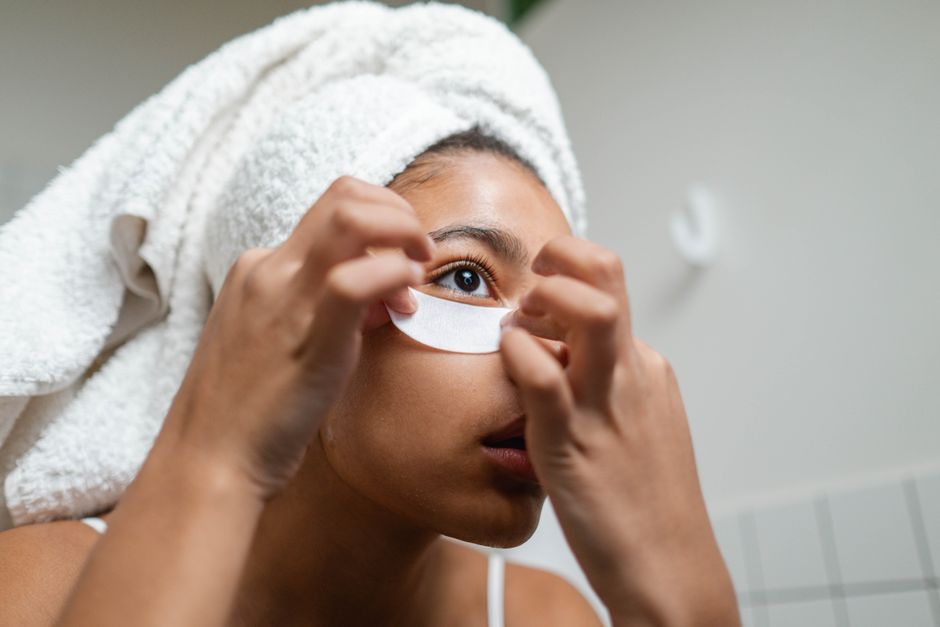
Puffy under eyes happen when fluid collects in the thin tissue beneath your lower eyelid, and that tissue is among the thinnest skin on the body. Quick fixes like cold compresses and elevating your head can reduce visible swelling within minutes to hours. Lasting improvement comes from addressing the cause — sleep, salt intake, allergies, or an underlying condition — rather than chasing creams alone.
What Actually Causes Puffy Under Eyes?
The skin under the eyes is roughly a fraction of the thickness of skin elsewhere on the face, and the tissue beneath it is loosely structured. That combination makes it an easy place for fluid to pool.
Several distinct mechanisms can produce puffiness, and they often overlap.
- Fluid retention — lying flat overnight lets fluid shift toward the face. This is why puffiness is usually worst right after waking.
- Sodium — a high-salt meal can increase water retention, and the under-eye area shows it.
- Sleep position and duration — sleeping on your back or on your stomach with your face down can worsen morning swelling.
- Allergies — allergic rhinitis and contact allergies cause inflammation and fluid buildup around the eyes.
- Alcohol — alcohol promotes dehydration and fluid shifts, both of which can show up under the eyes.
- Hormonal changes — menstrual cycle shifts and thyroid conditions can affect fluid balance.
- Genetics — some people simply have more prominent under-eye fat pads or thinner skin, and this runs in families.
- Age — the fat pads that support the eye area weaken and shift forward over time, creating a persistent puffy or hollow look.
One distinction matters more than most people realize. True under-eye bags from fat herniation are structural and largely fixed. Puffiness from fluid is temporary and responds to lifestyle changes. The two look similar in a mirror but behave very differently. If your swelling is always there regardless of sleep or salt, structure is more likely the driver than fluid.
How To Fix Puffy Under Eyes Quickly
Cold is the fastest tool available. Cold temperatures constrict blood vessels and reduce fluid movement into the tissue, which is why it works within minutes.
Cold compress
A cold spoon, chilled gel mask, or a clean cloth soaked in cold water held gently under the eyes for several minutes can visibly reduce swelling. Keep the cold moderate — direct ice on the skin for extended periods can damage tissue.
Elevate your head
Sleeping with your head slightly raised on an extra pillow helps fluid drain downward instead of collecting around the eyes. This is one of the few fixes that works on the cause rather than the symptom.
Gentle massage
Light tapping or stroking from the inner corner of the eye outward may help move trapped fluid. Press hard enough to feel contact, not hard enough to tug the skin.
Caffeine creams
Caffeine applied topically constricts blood vessels, and some small studies suggest it can temporarily reduce puffiness. The effect is modest and short-lived. It is not a structural fix.
Cold cucumber or tea bags
These work because they are cold, not because of anything special in the cucumber or tea. A chilled spoon does the same job.
None of these quick fixes change the underlying cause. They reduce what you see for a few hours. If puffiness returns every morning no matter what you do, the answer is in the next section.
What Long-Term Changes Actually Reduce Puffiness?
Long-term improvement comes from removing the recurring trigger. This is where most people give up too early, because the change takes weeks to show, not minutes.
Reduce sodium
Cutting back on processed food, restaurant meals, and added salt reduces fluid retention across the body, including under the eyes. This is one of the most reliable long-term levers.
Sleep consistently
Both too little and inconsistent sleep affect fluid regulation and cortisol patterns. Seven to nine hours for most adults is the general recommendation, and consistency matters as much as duration.
Manage allergies
If you have allergic rhinitis, treating it can reduce under-eye puffiness noticeably. This is often called “allergic shiners” — dark, puffy under-eyes driven by chronic nasal congestion and venous pooling. Antihistamines or nasal steroid sprays, discussed with a clinician, are common approaches.
Limit alcohol
Alcohol affects hydration and fluid balance. Reducing intake, especially in the evening, often shows up in the mirror within a week or two.
Check your thyroid
Persistent puffiness that does not respond to lifestyle changes can be a sign of an underactive thyroid. This is worth a conversation with a doctor, especially if you also have fatigue, weight changes, or cold intolerance.
Protect the skin
Daily sunscreen slows skin thinning and collagen loss, which over years makes the under-eye area look more hollowed and shadowed. This is prevention, not a quick fix.





Do Under-Eye Creams and Patches Really Work?
Most under-eye creams deliver temporary cosmetic effects, not structural change. That is not a reason to avoid them, but it is a reason to set realistic expectations.
Ingredients with some supporting evidence for temporary effects include caffeine, niacinamide, and certain peptides. Hyaluronic acid draws in water and can plump the skin surface, which may make fine lines look softer. Retinoids, used carefully, can improve skin texture over months — but the under-eye area is delicate, and irritation is common. Start with a low concentration and go slowly.
What these products cannot do is remove a fat pad that has shifted forward, or reverse skin thinning from years of sun exposure. No topical product does that. Marketing language around “de-puffing” and “reducing bags” often blurs the line between temporary fluid reduction and structural change.
If your concern is structural, no cream will fix it. That is an honest limit worth knowing before you spend money.
When Should You See a Doctor About Puffy Under Eyes?
Most under-eye puffiness is harmless and cosmetic. Certain patterns warrant a medical evaluation.
- Swelling that is new, one-sided, or getting worse
- Swelling accompanied by pain, redness, or warmth
- Puffiness with vision changes or eye discharge
- Swelling that spreads to other parts of the face
- Puffiness along with fatigue, weight gain, or cold intolerance (possible thyroid issue)
- Puffiness with foamy urine or swelling in the legs (possible kidney issue)
These signs do not mean something serious is present. They mean a clinician should look. Periorbital edema — swelling around the eye — can be a sign of thyroid eye disease, kidney problems, or allergic reactions, and those are better caught early.
Do Home Remedies and DIY Treatments Help?
Cold, elevation, and reducing salt cover most of what home remedies can realistically do. Beyond that, the evidence thins out quickly.
Things like preparation H cream, hemorrhoid cream, or petroleum jelly under the eyes are sometimes recommended online. These are not established treatments for under-eye puffiness, and using them near the eye carries risk of irritation or infection. Skip them.
Facial rollers and gua sha tools may help move fluid temporarily, similar to gentle massage. There is no strong evidence they produce lasting change. If they feel good and do not irritate your skin, they are not harmful — but they are not a solution either.
Sleeping on your back with your head elevated, cutting salt, and treating allergies if you have them will outperform almost any gadget.
What About Medical and Cosmetic Options?
When lifestyle changes do not help and the cause is structural, medical and cosmetic options exist. These are decisions to make with a qualified clinician, not from a webpage.
Prescription treatments may be appropriate when an underlying condition like thyroid disease or a kidney issue is driving the swelling. Treating the condition treats the puffiness.
Dermal fillers are used to address hollowing or shadows that make the under-eye area look puffy by contrast. Results are temporary and depend heavily on the injector’s skill.
Lower eyelid surgery (blepharoplasty) removes or repositions under-eye fat. It is the most direct fix for true fat-pad bags. It carries real risks — bruising, infection, changes in eyelid position, and asymmetry among them — and results vary.
Laser and energy-based treatments are used for skin tightening and pigmentation. Evidence for under-eye use is mixed, and results depend on the specific device and technique.
None of these are casual decisions. A consultation with a board-certified dermatologist or oculoplastic surgeon is the reasonable starting point if you are considering them.
What Makes Puffy Under Eyes Worse?
Certain habits reliably worsen under-eye puffiness, and removing them is often faster than adding anything new.
- High-salt meals, especially late in the day
- Alcohol in the evening
- Sleeping face-down
- Rubbing your eyes — this causes microtrauma and can worsen both puffiness and pigmentation
- Smoking, which affects circulation and skin quality
- Not treating seasonal allergies
- Chronic sleep deprivation
Rubbing your eyes deserves a special mention. It feels harmless, but repeated friction damages the thin skin and can make the area look worse over years. If allergies make you rub, treating the allergies is the real fix.
Frequently Asked Questions
How do I get rid of puffy under eyes fast?
Apply a cold compress for several minutes and keep your head elevated. Cold constricts blood vessels and reduces fluid pooling, which is why it works faster than anything else.
Why are my under eyes puffy every morning?
Lying flat overnight lets fluid shift toward the face, and salt or alcohol from the night before makes it worse. Persistent morning puffiness that does not respond to sleep and diet changes is worth discussing with a doctor.
Do under-eye creams actually remove bags?
No. Creams can temporarily reduce fluid and soften the look of fine lines, but they cannot remove or reposition under-eye fat. True bags from fat herniation are structural.
Can puffy under eyes be a sign of a health problem?
Sometimes. Thyroid disease, kidney problems, and allergic conditions can all cause under-eye swelling. New, one-sided, painful, or worsening swelling should be evaluated by a clinician.
