
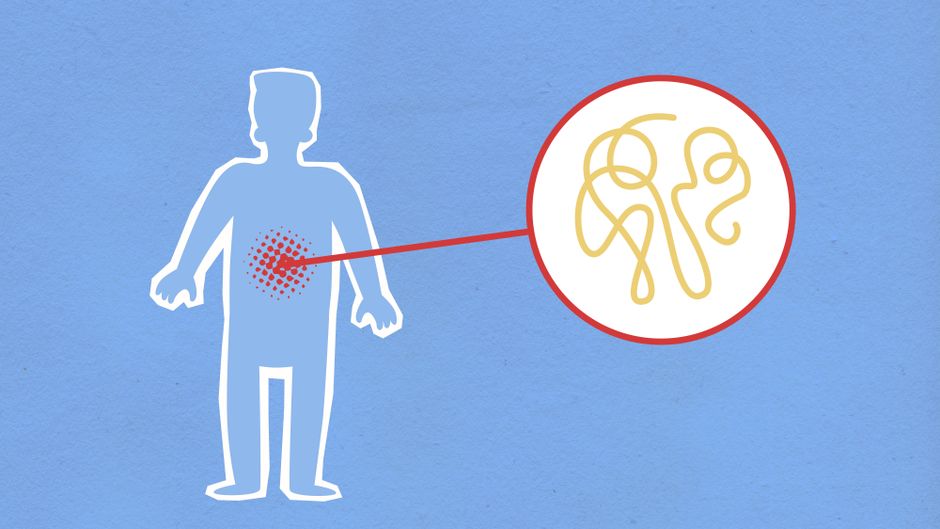
Most people stop being contagious from a stomach bug about 48 hours after their last episode of vomiting or diarrhea. For norovirus, which causes most stomach bugs in adults, you can shed the virus in your stool for up to two weeks, but you are most contagious while you have symptoms and for the first two days after they stop. The practical rule is simple: stay home until you have had no vomiting or diarrhea for at least 48 hours, and wash your hands carefully for another two weeks.
How Long After A Stomach Bug Are You Contagious?
The short answer is that you are contagious for about two days after your symptoms end. That is the standard guidance used by public health agencies and most hospitals. If you vomited on Monday and had your last loose stool on Wednesday, you should consider yourself contagious through Friday.
This 48-hour rule matters because people often feel better and return to work or school too soon. Feeling better does not mean you are no longer spreading the virus. The virus is still in your digestive tract, and you can pass it to others through tiny particles of stool or vomit that you cannot see.
Why the Stomach Bug Spreads So Easily
Norovirus is the leading cause of viral gastroenteritis in the United States. It is extremely contagious for one main reason: it takes very few virus particles to make someone sick. Research has shown that fewer than 20 virus particles can cause infection. For comparison, a single drop of vomit from an infected person can contain millions of particles.
The virus spreads through the fecal-oral route. That means tiny amounts of stool from an infected person end up in someone else’s mouth. This happens most often through contaminated hands, shared food, or touching surfaces that an infected person touched. Vomiting also spreads the virus because vomit can become aerosolized, meaning tiny droplets hang in the air and land on nearby surfaces.
Norovirus is also remarkably stable. It survives on surfaces for days or even weeks. Standard alcohol-based hand sanitizers do not reliably kill it. Washing with soap and water is more effective because the physical action of scrubbing removes the virus from your hands.
How the Virus Moves Through Your Body
Once you swallow norovirus particles, they travel to your small intestine. The virus attaches to the lining of your intestinal cells and begins replicating within hours. Your immune system responds by triggering inflammation, which causes the classic symptoms of nausea, vomiting, and diarrhea.
Symptoms typically appear 12 to 48 hours after exposure. The illness usually lasts one to three days. During this time, you are actively shedding billions of virus particles in your stool and vomit. This is when you are most contagious to everyone around you.
What surprises many people is what happens after symptoms stop. Your intestinal cells continue to shed the virus for a while even though you feel fine. This is why the 48-hour rule exists. You can still infect others even when you feel completely recovered.


What the 48-Hour Rule Actually Means
The 48-hour rule means 48 hours after your last symptom. Not 48 hours after you started feeling sick. Not 48 hours after you first vomited. The clock resets with every episode of vomiting or diarrhea.
If you vomited at 9 a.m. on Tuesday, then again at 3 p.m., your clock starts at 3 p.m. You would be cleared to return to normal activities at 3 p.m. on Thursday, assuming no new symptoms.
This rule applies to adults and children returning to work, school, or daycare. It also applies to food handlers. In fact, food handlers have a stricter standard in many states. Some public health departments require food workers to stay home for 48 to 72 hours after symptoms resolve because the consequences of an outbreak in a restaurant are so severe.
Do Different Stomach Bugs Have Different Contagious Periods?
Yes. Norovirus is the most common cause, but not the only one. Rotavirus, bacteria like Salmonella and Campylobacter, and parasites like Giardia can also cause gastroenteritis. The contagious period varies by the cause.
- Norovirus: Contagious from the moment symptoms start until about 48 hours after they stop. Viral shedding can continue for weeks, but the risk of spreading is low after two days.
- Rotavirus: Most common in infants and young children. Contagious for about two weeks after symptoms start, though symptoms usually resolve in three to eight days.
- Salmonella and Campylobacter: These bacterial infections can be contagious for as long as the bacteria remain in the stool. This can be days to weeks after symptoms resolve. Some people, especially those with weakened immune systems, shed bacteria for months.
- Giardia: A parasite that causes diarrhea. It can be contagious for months after infection if untreated, because the parasite persists in the stool.
Most people never learn which organism caused their stomach bug because testing is not routine. If you have a typical one-to-three-day illness with vomiting, norovirus is the likely culprit. If your illness lasts longer than three days or includes a high fever or bloody stool, see a doctor. A stool test can identify the cause and guide how long you should isolate.
How to Protect Others While You Are Contagious
Staying home is the most important step. Do not go to work, school, or social gatherings until 48 hours have passed since your last symptom. This is not optional for people who work with food, healthcare, or childcare. The consequences of spreading the virus in those settings are serious.
Handwashing is your best defense. Wash with soap and warm water for at least 20 seconds. Pay attention to your fingertips and under your nails. Alcohol-based sanitizers do not reliably kill norovirus, so do not rely on them.
Clean surfaces with a bleach-based cleaner. Norovirus survives on surfaces that are cleaned with non-bleach disinfectants. A solution of one tablespoon of bleach per gallon of water is effective for hard surfaces. Wear gloves while cleaning, and wash your hands thoroughly afterward.
Wash laundry carefully. Handle soiled clothing and bedding with gloves. Wash items in hot water and dry them on high heat. Do not shake dirty laundry, because that can aerosolize virus particles.
Do not prepare food for others until you are past the 48-hour window. Even after that, wash your hands before every meal preparation for at least two weeks. You may still be shedding virus particles, and food is a common route of spread.
Why Some People Stay Contagious Longer
Certain groups shed the virus for longer periods. Infants and young children often shed norovirus for longer than adults. Older adults and people with weakened immune systems may also shed the virus for extended periods.
If you have a condition that affects your immune system, or if you take immunosuppressive medications, talk to your doctor about how long you should isolate. The standard 48-hour rule is designed for healthy adults, and it may not be sufficient for you.
People with chronic digestive conditions like inflammatory bowel disease may also have prolonged symptoms. In these cases, the cause of diarrhea may not be an active infection, so the contagious period is different. A doctor can help determine whether you are still actively shedding an infectious organism.
Can You Get the Same Stomach Bug Twice?
Yes, you can. Norovirus immunity is short-lived. Studies show that immunity lasts only a few months to a few years. You can get norovirus multiple times in your life, and some people get it multiple times in a single year.
There are many different strains of norovirus. Having one strain does not protect you from the others. This is why norovirus outbreaks happen repeatedly in closed communities like cruise ships, nursing homes, and schools.
There is no vaccine for norovirus. There is no antiviral medication. The treatment is supportive: drink fluids to prevent dehydration, rest, and let the virus run its course. Most healthy adults recover fully in one to three days.
Frequently Asked Questions
Can I go back to work 24 hours after my symptoms stop?
No. The standard recommendation is to wait 48 hours after your last episode of vomiting or diarrhea. Returning earlier puts your coworkers at risk because you can still shed the virus.
Am I contagious if I feel fine but had diarrhea this morning?
Yes. You are contagious until 48 hours have passed since your last symptom. Feeling fine does not mean the virus is gone from your system.
How long does norovirus live on surfaces?
Norovirus can survive on hard surfaces for days or even weeks. Clean contaminated surfaces with a bleach-based solution, not just a standard household cleaner.
Can I catch a stomach bug from someone who has no symptoms?
Yes. People can shed the virus before symptoms start and after they stop. This is why handwashing is important even when everyone around you appears healthy.
