
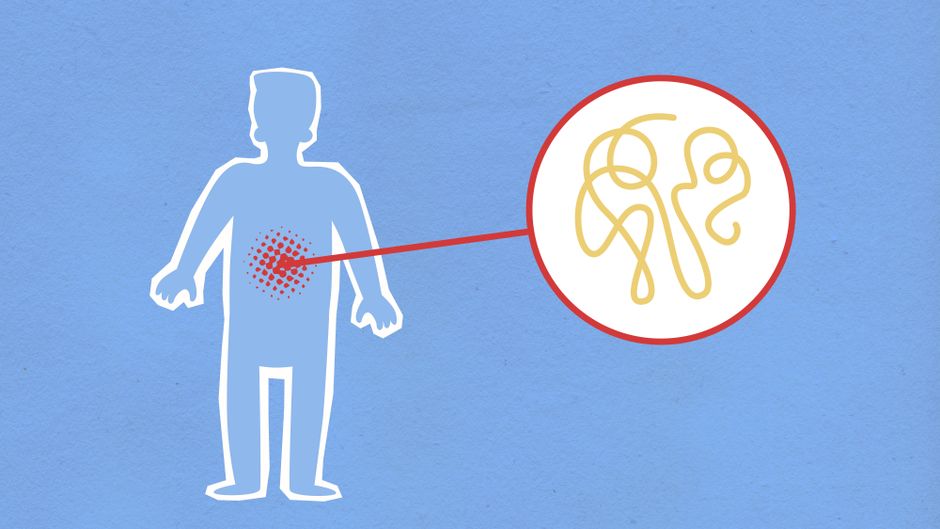
A stomach bug is extremely contagious, and you can spread it to others before you even feel sick. In most cases, you are contagious from the moment you are exposed until about 48 hours after your symptoms stop. For some viruses, like norovirus, you can shed the virus in your stool for up to two weeks after recovery, though your risk of spreading it drops significantly once symptoms end.
What Makes a Stomach Bug So Easy to Spread?
Viral gastroenteritis—the medical name for most stomach bugs—spreads through the fecal-oral route. That sounds clinical, but it simply means tiny particles of infected stool or vomit end up in someone else’s mouth. This happens more easily than you might think.
Norovirus, the most common cause of stomach bugs in the US, requires fewer than 20 virus particles to infect someone. For comparison, a single gram of infected stool can contain billions of particles. You cannot see these particles, and they do not make surfaces look dirty.
The virus also survives on surfaces for days or even weeks. It tolerates heat up to 140°F and many common disinfectants do not kill it. Hand sanitizer is largely ineffective against norovirus. Soap and water work because they physically remove the virus from your hands.
How Contagious Is A Stomach Bug And How Long Before Symptoms Start?
You are contagious before symptoms appear. The incubation period—the time between exposure and first symptoms—varies by virus. For norovirus, symptoms typically start 12 to 48 hours after exposure. For rotavirus, it is usually 1 to 3 days.
During this incubation period, you are already shedding virus. This means someone who feels perfectly fine can infect others. This is why stomach bugs sweep through households, schools, and cruise ships so quickly. By the time the first person vomits, they may have already exposed everyone around them.
Viral shedding peaks during the acute illness—when you are actively vomiting or having diarrhea. This is when you are most contagious to others.
How Long Are You Contagious After Symptoms Stop?
Most people assume they are no longer contagious once symptoms resolve. That is not entirely accurate. You remain contagious for at least 48 hours after your last episode of vomiting or diarrhea. This is the standard isolation period recommended by public health authorities.
However, viral shedding continues beyond that point. Studies show norovirus can be detected in stool for up to 2 weeks after recovery. Rotavirus shedding can last up to 10 days. The practical risk of transmission during this later period is lower because you are shedding fewer particles, but it is not zero.
This is why food service workers are held to stricter standards. Most health departments require food handlers to be symptom-free for at least 48 to 72 hours before returning to work. Some require longer. If you work in healthcare or food service, check your local regulations rather than relying on how you feel.




How Does the Virus Actually Spread?
Direct contact is the most common route. This includes shaking hands, caring for a sick child, or touching someone who is actively vomiting. The virus then transfers from your hands to your mouth when you touch your face or eat.
Contaminated surfaces are the second major route. Bathroom fixtures, doorknobs, light switches, and shared electronics all harbor the virus. Norovirus survives on hard surfaces for up to 2 weeks. On soft surfaces like fabric and carpet, it survives for shorter periods but still long enough to matter.
Food and water contamination causes outbreaks. An infected food handler who does not wash properly can contaminate an entire meal. Shellfish from contaminated waters, fresh produce rinsed with contaminated water, and ice made from contaminated water are common sources.
Vomiting itself is a transmission event. When someone vomits, virus particles become airborne briefly. You do not need to inhale them to get sick—they settle on surfaces and are then transferred by touch. But being in the same room during a vomiting episode does increase your risk.
How Long Does the Virus Survive Outside the Body?
Norovirus is remarkably durable. On hard, non-porous surfaces like stainless steel, plastic, and countertops, it can survive for up to 2 weeks. On porous surfaces like clothing and towels, survival time is shorter—typically a few days to a week.
It survives freezing and heating. Cooking food to normal temperatures kills the virus, but refrigeration and freezing do not. This is why contaminated food that is frozen and later thawed can still cause illness.
Common household bleach at the right concentration does kill norovirus. The CDC recommends a solution of 5 to 25 tablespoons of bleach per gallon of water, depending on the surface. Many commercial disinfectants labeled as “hospital grade” are effective against norovirus only if they specifically list it on the label. Check the label—most do not.
What About Bacterial Stomach Bugs?
Not all stomach bugs are viral. Bacterial infections like Salmonella, Campylobacter, and E. coli cause similar symptoms but behave differently. These come from contaminated food rather than person-to-person spread in most cases.
Bacterial gastroenteritis is generally less contagious between people. The primary risk comes from eating contaminated food. However, if you have Salmonella, you can shed the bacteria in your stool for weeks or even months after symptoms resolve. This matters for food handlers and caregivers.
Some people develop a chronic carrier state where they shed bacteria without symptoms. This is rare but documented. If you have had a bacterial stomach bug, your doctor may recommend stool tests before you return to certain jobs.
How to Stop the Spread in Your Home
Hand washing is the single most effective measure. Use soap and warm water for at least 20 seconds. Hand sanitizer does not reliably kill norovirus, so do not rely on it as a substitute.
Clean contaminated surfaces with a bleach-based disinfectant. Wear gloves while cleaning vomit or diarrhea. Remove and wash any linens or clothing that came into contact with the sick person. Wash them separately in hot water.
Keep the sick person isolated in one bathroom if possible. This limits the contaminated area. Everyone else should use a different bathroom. This simple step significantly reduces household spread.
Do not prepare food for others while you are sick or for 48 hours after your symptoms stop. If you have a stomach bug, assume you are contagious and act accordingly.
When Are You No Longer a Risk to Others?
For most people, the practical answer is 48 hours after your last symptom. After that point, your risk of spreading the virus is low but not zero. Public health guidance generally considers you safe to resume normal activities—including work and school—at this point.
Children should stay home from school or daycare for the same period. Many facilities have their own policies, often requiring 24 to 48 hours symptom-free. Follow your facility’s policy even if it is stricter than public health guidance.
If you work in food service, healthcare, or childcare, extend this period. Most health departments require 48 to 72 hours symptom-free for food handlers. Some require documentation from a doctor. Check with your employer.
For immunocompromised individuals, the contagious period can be longer. Their bodies clear the virus more slowly, and they may shed virus for extended periods. If you care for someone immunocompromised who has a stomach bug, ask their doctor about specific precautions.
Frequently Asked Questions
Can I spread a stomach bug if I have no symptoms?
Yes. You are contagious before symptoms appear and can shed the virus for days after recovery.
How long should I stay home after a stomach bug?
Stay home for at least 48 hours after your last episode of vomiting or diarrhea. Food service and healthcare workers may need to stay home longer per local regulations.
Does hand sanitizer kill norovirus?
No. Hand sanitizer is largely ineffective against norovirus. Wash your hands with soap and warm water for at least 20 seconds.
Can I get the same stomach bug twice?
Yes, but not immediately. Immunity to norovirus and rotavirus lasts only months to a few years, so reinfection is possible.
