
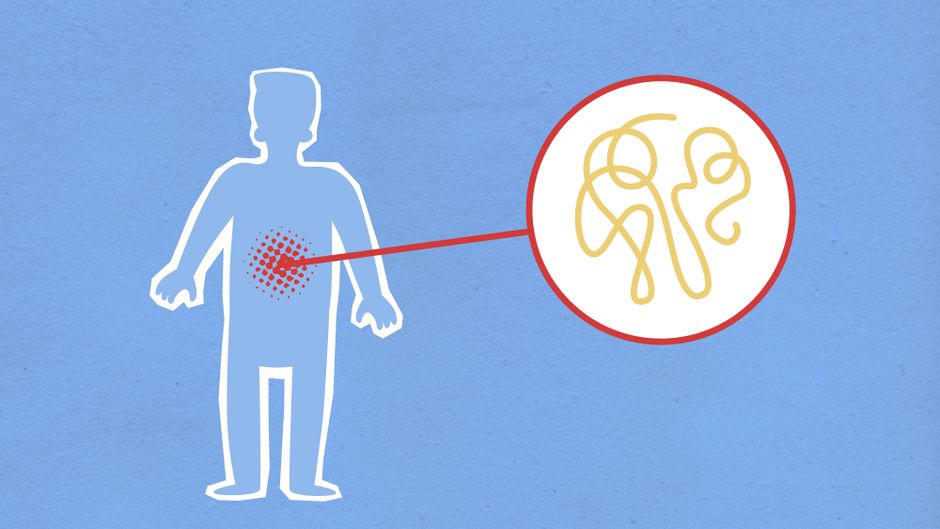
Yes, a viral stomach bug is contagious. The viruses that cause what people call “stomach flu” spread mainly from person to person, and they are often contagious before symptoms even start. You can also catch them from contaminated food, water, or surfaces.
The medical term for this illness is viral gastroenteritis. It is not the flu. Influenza viruses cause respiratory illness, not the vomiting and diarrhea that define a stomach bug. That distinction matters because it changes how the illness spreads and how you protect yourself.
Is Viral Stomach Bug Contagious?
Viral gastroenteritis is highly contagious. The viruses that cause it can spread through tiny amounts of contaminated material — far less than most people would guess.
Norovirus is the most common cause of acute gastroenteritis in the United States. It is also one of the most contagious viruses known. A very small number of viral particles can make a person sick, and people shed billions of particles in their stool and vomit while they are ill.
Rotavirus, adenovirus, and astrovirus also cause viral stomach bugs. They spread the same basic way: through the fecal-oral route. That means virus from an infected person’s stool or vomit gets into another person’s mouth, usually through hands, food, water, or surfaces.
This is why outbreaks move so fast through places where people are close together — schools, daycares, nursing homes, cruise ships, and restaurants. It is not because those places are dirty. It is because the virus is efficient.
How Does a Stomach Bug Spread?
The main route is the fecal-oral route, but there are several ways that happens in daily life.
- Direct contact — shaking hands, caring for a sick person, or changing a diaper
- Contaminated food — handled by someone who is infected and did not wash their hands well
- Contaminated water — including some recreational water and untreated drinking water
- Surfaces — doorknobs, faucets, and countertops touched after contact with vomit or stool
- Aerosolized vomit — tiny droplets from vomiting can carry virus particles that land in someone else’s mouth or on food
Food and water are common sources. Shellfish harvested from contaminated water, and ready-to-eat foods handled after cooking, are frequent culprits in norovirus outbreaks.
One detail that surprises many people: alcohol-based hand sanitizer does not work well against norovirus. Handwashing with soap and water is the more reliable method. This is a case where the common habit of reaching for sanitizer is genuinely less effective.
How Long Are You Contagious With a Stomach Bug?
You can spread the virus before you feel sick and for days after you feel better.
For norovirus, people are most contagious while they have symptoms and during the first few days of recovery. But the virus can still be shed in stool for up to two weeks after symptoms stop. That means you can infect others even when you feel completely normal.
Children tend to shed the virus longer than adults. This is part of why daycare outbreaks are so persistent. A child who seems fully recovered can still pass the virus to family members.
Because of this, health agencies advise that people who work in food service, healthcare, or childcare stay home longer than they might expect — often at least 48 hours after symptoms resolve. Some settings have their own specific rules.



What Are the Symptoms of a Viral Stomach Bug?
Symptoms usually appear 12 to 48 hours after exposure, though this varies by virus. Norovirus tends to hit fast.
The most common symptoms are:
- Vomiting
- Diarrhea
- Stomach cramps
- Nausea
- Low-grade fever
- Headache and body aches
Most people recover within one to three days without treatment. That short, intense course is typical of norovirus. Rotavirus tends to be more prolonged and is a more serious concern in infants and young children.
The main risk during this illness is dehydration. Vomiting and diarrhea remove fluid and electrolytes quickly. Watch for signs like dry mouth, dark urine, dizziness on standing, and fatigue. In young children, fewer wet diapers and no tears when crying are warning signs.
How Long Does a Stomach Bug Last?
Most viral stomach bugs resolve in one to three days. Some, including rotavirus, can last longer — sometimes up to a week.
Recovery time depends on the virus, the person’s age, and their overall health. Young children, older adults, and people with weakened immune systems often take longer and are at higher risk of complications from dehydration.
If symptoms last more than a few days, or if you cannot keep fluids down, that is a reason to seek medical care. Bloody diarrhea, high fever, and severe abdominal pain are also signs to get checked. Those symptoms can point to a bacterial or parasitic infection rather than a virus, and those need different care.
How Do You Prevent Spreading a Stomach Bug?
Handwashing is the single most effective step. Wash with soap and water for at least 20 seconds, especially after using the bathroom, changing diapers, and before preparing food.
Beyond handwashing:
- Disinfect surfaces with a bleach-based cleaner — norovirus is resistant to many standard disinfectants
- Wash contaminated laundry in hot water and dry on high heat
- Do not prepare food for others while sick and for at least two days after symptoms stop
- Wash fruits and vegetables and cook shellfish thoroughly
- Stay home from work or school while symptomatic
There is no vaccine for norovirus. A rotavirus vaccine is part of the routine childhood immunization schedule in the United States and has substantially reduced severe rotavirus illness in young children.
If someone in your home is sick, clean bathrooms frequently and use separate towels. The virus is hardy and can survive on hard surfaces for days to weeks.
When Should You See a Doctor?
Most people do not need medical care for a viral stomach bug. The illness runs its course.
Seek care if you notice signs of dehydration that are not improving, if you cannot keep any fluids down for more than a day, if there is blood in your stool or vomit, or if you have a high fever. In infants and young children, lethargy, irritability, and reduced urination are reasons to call a doctor promptly.
Antibiotics do not treat viral gastroenteritis. They are only useful for bacterial causes, which a doctor can help identify. Taking antibiotics for a viral illness does not help and can cause harm.
For most adults, the focus is simple: rest and replace fluids. Oral rehydration solutions are more effective than plain water because they replace electrolytes too. Sports drinks are a reasonable substitute for adults but have more sugar and fewer electrolytes than clinical rehydration solutions, which matters most for children.
Frequently Asked Questions
Can you catch a stomach bug from someone who has no symptoms?
Yes. People can shed the virus before symptoms begin and for up to two weeks after they recover. This is a major reason outbreaks are hard to contain.
How long should you stay home with a stomach bug?
Health agencies generally advise staying home until at least 48 hours after vomiting and diarrhea stop. People in food service, healthcare, and childcare may need to stay out longer.
Does hand sanitizer kill stomach bugs?
Alcohol-based hand sanitizer is not effective against norovirus, the most common cause. Washing hands with soap and water is the reliable method.
Is a stomach bug the same as the flu?
No. Influenza is a respiratory virus. Viral gastroenteritis, often called stomach flu, is caused by different viruses and affects the stomach and intestines.
