
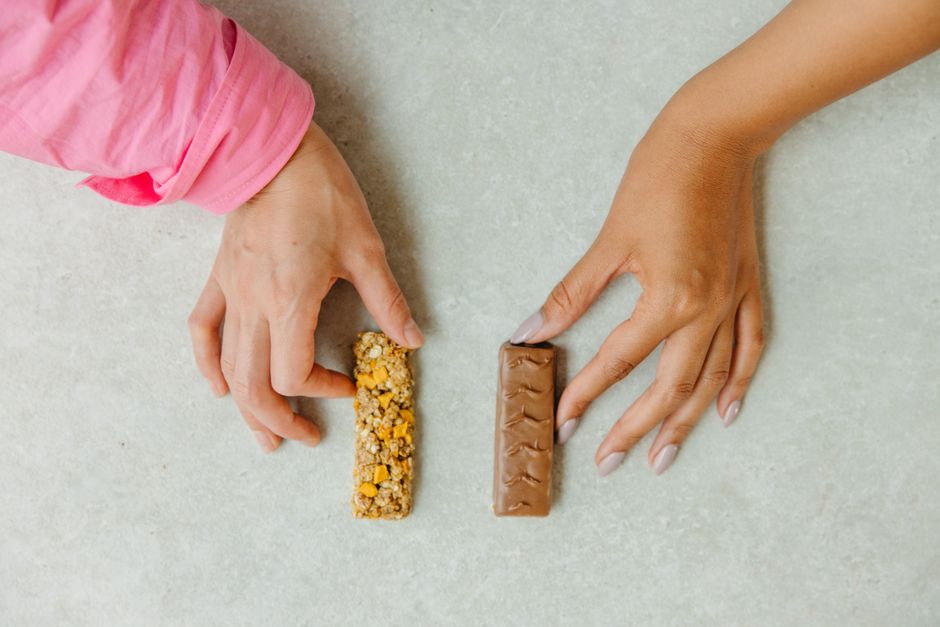
Protein bars are made inside factories through a precise process that starts with blending dry ingredients like protein powders and oats, then mixing them with liquid binders like syrups and oils. The mixture is pressed into shape, baked or cold-formed, cooled, and finally coated or wrapped for packaging. Most commercial protein bars are produced on automated lines that control temperature, moisture, and pressure to ensure every bar has the same texture and nutrition profile.
What Ingredients Actually Go Into a Protein Bar?
The base of almost every protein bar is a protein source. Whey protein isolate, soy protein isolate, and pea protein are the most common. Each has a different texture and mixing behavior. Whey tends to make bars chewier. Pea protein can make them drier.
Binders hold the bar together. Brown rice syrup, tapioca syrup, and glycerin are typical. These ingredients prevent crumbling and keep the bar flexible. Fats like palm oil, cocoa butter, or coconut oil add mouthfeel and help carry flavor.
Humectants are less obvious but critical. They are ingredients like sorbitol and maltitol that retain moisture. Without them, a protein bar would turn into a hard brick within weeks. The specific blend of humectants determines how long the bar stays soft on the shelf.
Flavorings, sweeteners, and texturizers round out the recipe. Natural flavors, stevia, sugar alcohols, and inulin (a fiber) are all common. Inulin also helps mask the chalky taste of some protein powders.
How Are Protein Bars Made Inside The Factory Step by Step?
The process begins in a large industrial mixer. Dry ingredients like protein powder, oat flour, fiber, and salt are weighed and added first. They are blended for two to three minutes until evenly distributed. This step is critical because uneven mixing leads to bars with inconsistent protein content.
Liquid ingredients are added next. Syrups, oils, glycerin, and water are pumped in while the mixer runs. The mixture forms a dough-like mass. Temperature is monitored closely. If the dough gets too warm, the proteins can denature and the texture becomes rubbery.
The dough is then fed into a forming machine. This equipment presses the dough into a continuous sheet or individual bar shapes. A roller system compresses the dough to a precise thickness. Pressure must be consistent. Too much pressure makes the bar dense and hard. Too little leaves it crumbly.
Depending on the bar type, the formed bars go through either a baking tunnel or a cooling tunnel. Baked bars pass through an oven at 250–350°F for 5–12 minutes. No-bake bars go through a cooling tunnel at 40–50°F to set the structure. The choice determines whether the final bar is crunchy or chewy.
After cooling, bars pass through a metal detector and a checkweigher. Any bar outside the weight tolerance is rejected. This is a regulatory requirement in most food production facilities. The final step is wrapping. High-speed flow wrappers seal each bar in a moisture-proof package. The packaging is flushed with nitrogen to remove oxygen, which extends shelf life by preventing fat rancidity.
What Is the Difference Between Baked and No-Bake Protein Bars?
Baked bars go through an oven. The heat causes chemical changes. Starches gelatinize, proteins coagulate, and Maillard browning occurs. This creates a firmer, more bread-like texture. Baked bars typically have a longer shelf life because the heat reduces microbial load. They also tend to be less sticky.
No-bake bars are set using cold temperature. The dough is formed and then chilled. The structure relies on the binding properties of syrups and fats that solidify when cold. No-bake bars are usually chewier and more dense. They require more humectants to stay soft, which often means more sugar alcohols or glycerin.
From a nutrition standpoint, the difference is small. Baked bars can lose some heat-sensitive vitamins like vitamin C or B vitamins during cooking. No-bake bars preserve those nutrients better. However, most protein bars are not significant sources of those vitamins anyway. The protein content is unaffected by either process.


How Do Factories Ensure Protein Bars Have Consistent Nutrition?
Consistency starts with ingredient testing. Every batch of protein powder arriving at the factory is tested for protein content using the Kjeldahl or Dumas method. These are lab techniques that measure nitrogen content to calculate protein. If a batch of whey tests at 78% protein instead of the expected 80%, the recipe is adjusted to compensate.
During production, samples are pulled every 15 to 30 minutes. These samples are tested for moisture content, texture, and weight. Moisture content is especially important. Protein bars are regulated as food products, and moisture affects both safety and shelf life. The FDA requires that moisture levels stay below a certain threshold to prevent mold growth.
Finished bars undergo nutritional testing at an independent lab. This is required for the Nutrition Facts panel to be accurate. The FDA allows a 20% margin of error for declared nutrients, but most reputable manufacturers aim for less than 5% variance. Research published in the Journal of the International Society of Sports Nutrition found that some protein bars on the market deviate from their label by up to 15% for protein and 20% for carbohydrates. This is legal but not ideal.
What Are Common Additives and Should You Worry About Them?
Many protein bars contain sugar alcohols like maltitol, erythritol, and xylitol. These provide sweetness with fewer calories than sugar. The body absorbs them partially, so they have a lower glycemic impact. However, they can cause digestive issues. Maltitol in particular is known to cause gas and bloating in doses over 10 grams. Some people report laxative effects.
Glycerin is another common additive. It acts as a humectant and sweetener. The FDA considers it safe, but high doses can cause headaches and nausea. Most protein bars contain 2–5 grams of glycerin per serving, which is well below the level known to cause problems.
Cellulose gum and carrageenan are used as thickeners and stabilizers. Both are generally recognized as safe by the FDA. Carrageenan has been the subject of controversy. Some animal studies suggest it may cause intestinal inflammation. However, the human evidence is mixed. The European Food Safety Authority reviewed the data and concluded that food-grade carrageenan is safe at current usage levels.
Natural flavors are a catch-all term. The FDA defines them as flavors derived from plant or animal sources. They can contain dozens of chemical compounds. Manufacturers are not required to list individual components. For most people, natural flavors are not a concern. If you have specific food allergies, you should contact the manufacturer directly.
How Long Do Protein Bars Last and How Should You Store Them?
Most protein bars have a shelf life of 6 to 12 months from the production date. The exact length depends on the formulation. Bars with higher moisture content spoil faster. Bars with more humectants and preservatives last longer.
Storage temperature matters. Protein bars should be kept below 75°F. Heat causes the fats to migrate to the surface, creating a greasy film. It also accelerates the Maillard reaction, which darkens the bar and creates off-flavors. Freezing is safe but can change texture. The freeze-thaw cycle can cause moisture condensation inside the wrapper, which promotes mold.
Once opened, a protein bar should be eaten within a few days. Exposure to air causes it to dry out and harden. The package is designed to be a barrier against oxygen and moisture. Once that seal is broken, the clock starts ticking.
Frequently Asked Questions
Are protein bars healthy or just candy bars in disguise?
It depends on the bar. Many protein bars contain as much sugar and saturated fat as a candy bar. Check the label for added sugars and fiber content to tell the difference.
Do protein bars expire and can you eat them after the date?
Yes they expire. Eating them past the date is usually safe for a few weeks if the package is intact, but the texture and taste will decline. Discard if you see mold or smell rancid fat.
Can protein bars replace a meal?
Some bars are designed as meal replacements with 300–400 calories and balanced macros. Most standard protein bars have 200–250 calories and are better suited as snacks. Read the label to see if it is marketed as a meal bar.
Why do some protein bars cause gas and bloating?
Sugar alcohols like maltitol and sorbitol are the main cause. They ferment in the gut and produce gas. Fiber additives like inulin can also cause bloating in sensitive people. Start with half a bar to test tolerance.
