
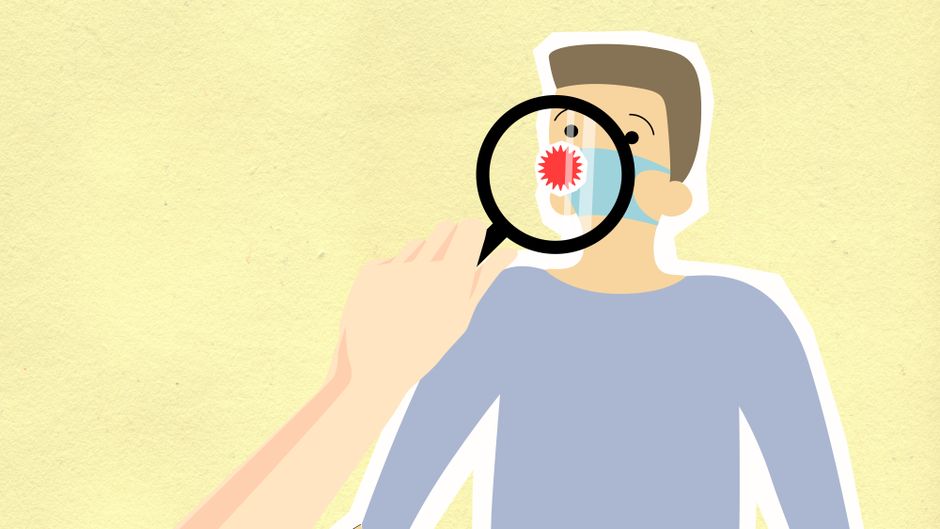
The shingles virus spreads through direct contact with the fluid from shingles blisters. If someone has never had chickenpox or the vaccine, touching that fluid can give them chickenpox — not shingles. The virus itself is called varicella-zoster, the same one that causes chickenpox. Once the blisters crust over, the person is no longer contagious.
What Exactly Is the Shingles Virus and How Does It Travel?
The virus behind shingles is varicella-zoster. After a person gets chickenpox, usually as a child, the virus does not leave the body. It stays dormant in nerve tissue near the spinal cord and brain. For most people it stays quiet forever. For others, the virus reactivates years or decades later, causing shingles.
When it reactivates, the virus travels along nerve pathways to the skin. This creates a painful rash, usually on one side of the body or face. The rash turns into fluid-filled blisters. The fluid inside those blisters contains live virus. That is the only time the virus can spread to another person.
Research published in the Journal of Infectious Diseases found that the virus can survive on surfaces for a short time, but direct skin contact is the main route. You cannot catch shingles from someone who has it. You can catch chickenpox if you have never had it.
How Is the Shingles Virus Spread From Person to Person?
The virus spreads through skin-to-skin contact with the blisters. If you touch the fluid and then touch your own mouth, nose, or eyes, the virus can enter your body. It can also spread if the fluid gets on clothing, towels, or bedding and then touches someone else’s skin.
Shingles is not airborne like the flu or COVID-19. You cannot get it from someone coughing or sneezing near you. The virus does not travel through the air from a shingles rash. The CDC states that the risk of transmission ends once the blisters have scabbed over, which usually takes 7 to 10 days.
People with shingles should keep the rash covered. They should wash their hands often and avoid sharing towels or clothes. This is especially important around people who have never had chickenpox or the vaccine.
Who Is Most at Risk of Catching the Virus From Someone With Shingles?
Anyone who has never had chickenpox or the chickenpox vaccine can catch the virus. If they do, they develop chickenpox, not shingles. After recovering, the virus stays in their body and could reactivate as shingles later in life.
People with weakened immune systems are also at higher risk. This includes those on chemotherapy, organ transplant recipients, people with HIV, and anyone taking long-term steroids. Pregnant women who have never had chickenpox should avoid contact with shingles blisters because chickenpox during pregnancy can harm the baby.
Newborns and infants are vulnerable too. Their immune systems are not fully developed. If a pregnant woman gets chickenpox close to delivery, the baby can be born with a serious infection. The CDC recommends that anyone with shingles stay away from these groups until the rash is fully crusted.




Does the Shingles Vaccine Affect How the Virus Spreads?
The shingles vaccine, called Shingrix, does not contain live virus. It is a recombinant vaccine that trains your immune system to fight the varicella-zoster virus. You cannot get shingles from the vaccine, and you cannot spread the virus after getting vaccinated.
However, the chickenpox vaccine is different. It contains a weakened live virus. In rare cases, someone who gets the chickenpox vaccine can develop a mild rash. That rash can spread the vaccine virus to others, though this is uncommon. The CDC reports that this happens in fewer than 1 in 10,000 vaccinated people.
Shingrix is recommended for adults 50 and older, even if they have had shingles before. Studies show it is over 90% effective at preventing shingles and postherpetic neuralgia, the painful nerve condition that can follow. Reducing shingles cases also reduces the chance of anyone being exposed to the virus.
| Virus | Main Spread Route | Contagious Period |
|---|---|---|
| Shingles (varicella-zoster) | Direct contact with blister fluid | Until blisters crust over (7-10 days) |
| Chickenpox | Airborne and direct contact | 1-2 days before rash until all blisters crust |
| Cold sores (herpes simplex) | Direct contact with sores | While sores are present |
| Flu | Airborne droplets | 1 day before symptoms to 5-7 days after |
What Are Common Misconceptions About Shingles Transmission?
One widespread myth is that shingles is caused by stress alone. Stress can trigger reactivation, but the virus must already be in your body. You cannot develop shingles without having had chickenpox first. Another myth is that shingles is contagious before the rash appears. It is not. The virus only spreads when blisters are present and leaking fluid.
Some people believe shingles can spread through coughing or sneezing. This is false. The virus does not live in the respiratory tract during a shingles outbreak. It only lives in the nerve tissue and skin. The American Academy of Dermatology confirms that airborne transmission does not happen with shingles.
Another misconception is that once you have had shingles, you are immune. You can get shingles more than once. About 1 in 3 people who have had shingles will get it again, according to the CDC. The vaccine reduces this risk significantly.
- Myth: Shingles is contagious before the rash appears. Fact: It only spreads when blisters are present.
- Myth: You can get shingles from someone with shingles. Fact: You get chickenpox, not shingles.
- Myth: Shingles spreads through the air. Fact: It requires direct contact with blister fluid.
- Myth: Once you have shingles, you cannot get it again. Fact: Recurrence is possible.
How Long Should Someone With Shingles Isolate?
People with shingles should avoid contact with others until the blisters have fully crusted over. This usually takes 7 to 10 days from the first blister appearing. The rash may still be painful or itchy after crusting, but the contagious period is over.
During the contagious phase, keep the rash covered with a clean, dry bandage. Do not scratch the blisters. Scratching can spread the virus to other parts of your own body and increase the risk of bacterial infection. Wash hands frequently, especially after touching the rash area.
If you have shingles on your face or near your eyes, see a doctor immediately. Shingles near the eye can cause vision loss. The antiviral medications acyclovir, valacyclovir, and famciclovir work best when started within 72 hours of the rash appearing. They reduce the severity and duration of the outbreak and may lower the risk of spreading the virus.
Frequently Asked Questions
Can you get shingles from someone who has shingles?
No. You can only get chickenpox from someone with shingles if you have never had chickenpox or the vaccine. Shingles itself is not transmissible.
How long is shingles contagious after the rash starts?
Shingles is contagious from the time blisters appear until they fully crust over, which is usually 7 to 10 days.
Can shingles spread through clothing or bedding?
Yes, if the fluid from blisters gets on fabric and then touches someone else’s skin. Wash items in hot water and avoid sharing them.
Is shingles contagious if there is no rash?
No. Without blisters, there is no fluid to spread the virus. Some people have pain without a rash, but they are not contagious.
