
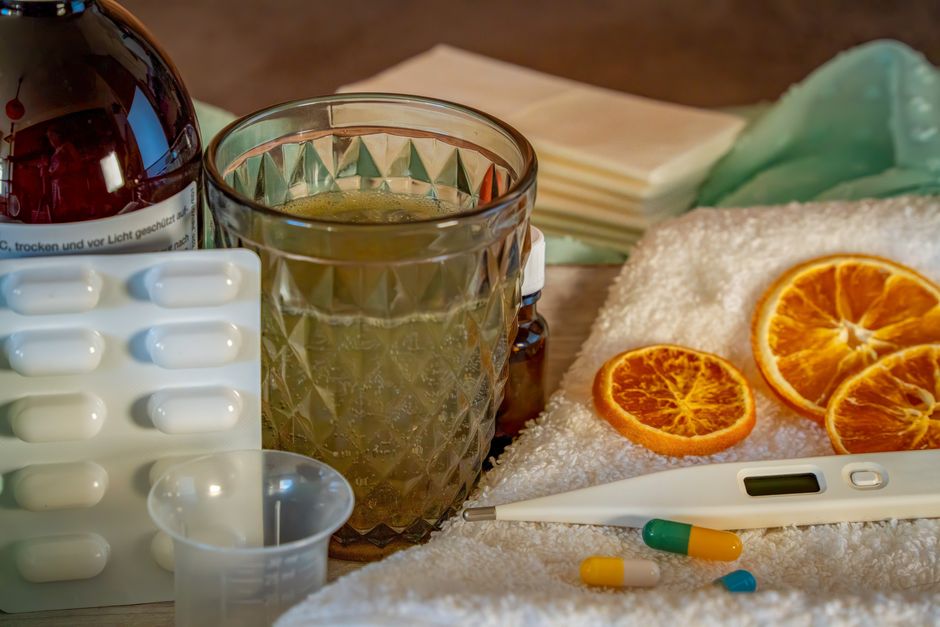
The common cold virus can live on hard surfaces like countertops, doorknobs, and plastic for up to seven days in some cases. On soft surfaces such as fabric, paper, or skin, it typically survives for a few hours to less than 24 hours. The exact time depends on the type of surface, temperature, and humidity. Most cold viruses lose the ability to infect you within 24 hours on hard surfaces and much faster on hands.
How Long Does The Common Cold Virus Live On Surfaces?
Research shows that cold viruses, particularly rhinoviruses which cause most colds, survive differently depending on where they land. On hard, non-porous surfaces like stainless steel, plastic, and glass, the virus can remain infectious for up to seven days at room temperature. A study published in the Journal of Applied Microbiology found that rhinovirus survived on stainless steel for at least seven days when humidity was low.
On porous surfaces like tissues, paper money, and clothing, the virus dries out faster. It usually survives for less than 24 hours, often just a few hours. On human skin, the virus typically lasts less than one hour because natural oils and enzymes break it down. This is why handwashing is so effective — it physically removes the virus before it can infect you.
Which Surface Types Are Most Risky for Spreading Cold Viruses?
Hard, non-porous surfaces pose the highest risk for indirect transmission. These include countertops, light switches, faucet handles, remote controls, and phones. The virus stays infectious on these materials for days, not hours. When someone touches a contaminated surface and then touches their eyes, nose, or mouth, infection can occur.
Soft surfaces are lower risk. Fabric, carpet, and paper absorb moisture, which helps deactivate the virus faster. However, if someone sneezes directly onto a fabric surface and you touch it within a few hours, transmission is still possible. The CDC states that the main route of cold virus spread is through direct contact with infected people, not surfaces.
One non-obvious finding: door handles and light switches are touched by many people but rarely cleaned. In a shared office or home with a sick person, these are the surfaces most likely to carry live virus. Focus cleaning efforts there rather than on floors or walls.
What Factors Affect How Long Cold Viruses Survive on Surfaces?
Three main factors determine virus survival time: surface material, humidity, and temperature. Rhinoviruses prefer low humidity, around 20-40%. In dry indoor air during winter, the virus survives longer on surfaces. High humidity above 60% tends to deactivate the virus faster because moisture condenses on surfaces and breaks down the virus’s outer shell.
Temperature also matters. Cold viruses survive best at cooler temperatures around 40-50°F (4-10°C). At typical room temperature of 68-72°F (20-22°C), survival time drops. At body temperature on skin, survival is shortest. This explains why colds are more common in winter — the virus lives longer both in the air and on surfaces when it is cold and dry.
Surface texture plays a role too. Smooth, non-porous surfaces allow the virus to remain intact. Rough, porous surfaces trap the virus in fibers where it dries out. A study in the American Journal of Infection Control showed that rhinovirus on a tissue survived only 15 minutes, while on a plastic surface it survived over 24 hours.





How Does Cold Virus Survival Compare to Other Viruses?
Cold viruses are less hardy than many people assume. Influenza virus survives on surfaces for 24-48 hours, similar to cold viruses. Norovirus, which causes stomach flu, can survive for weeks on hard surfaces. SARS-CoV-2, the virus that causes COVID-19, survives for several days on plastic and stainless steel but is more fragile on fabric.
Here is a quick comparison of survival times on hard, non-porous surfaces at room temperature:
| Virus Type | Survival Time on Hard Surfaces |
|---|---|
| Rhinovirus (common cold) | Up to 7 days |
| Influenza A | 24-48 hours |
| Norovirus | Up to 2 weeks |
| SARS-CoV-2 | Up to 3 days on plastic |
This comparison shows that while cold viruses can last a week, they are not the most durable. Norovirus is far more stubborn. The practical takeaway: surface cleaning matters for colds but is less critical than hand hygiene and avoiding close contact with sick people.
Does Cleaning or Disinfecting Actually Prevent Cold Transmission?
Evidence is mixed. Some studies suggest that disinfecting surfaces reduces the amount of virus present, but it is unclear how much this lowers actual infection rates. The CDC notes that most colds spread through direct person-to-person contact, not from surfaces. Cleaning high-touch surfaces during cold season is reasonable but should not replace handwashing and staying home when sick.
Common household disinfectants kill cold viruses effectively. Products containing bleach, hydrogen peroxide, or quaternary ammonium compounds work within minutes. Alcohol-based hand sanitizers with at least 60% alcohol also inactivate rhinoviruses. However, soap and water are more effective because they physically wash the virus off your skin rather than just killing it.
One clarification: antibacterial cleaners do not kill viruses. They kill bacteria. For cold viruses, you need a disinfectant labeled as antiviral. Many all-purpose cleaners are not antiviral. Check the label. If it does not say “virucidal” or “kills viruses,” it may not work on cold viruses at all.
What Practical Steps Actually Reduce Your Risk?
Focus on the actions with the strongest evidence. Handwashing with soap and water for at least 20 seconds is the single most effective step. Do it after touching shared surfaces, before eating, and after being in public. Hand sanitizer is a backup when soap is not available.
Clean high-touch surfaces regularly during cold season. This includes phones, keyboards, light switches, faucet handles, and remote controls. Use a disinfectant wipe or spray and let it sit for the contact time listed on the label — usually 1-5 minutes. Wiping and drying immediately is less effective.
- Wash hands frequently with soap and water for 20 seconds
- Use alcohol-based hand sanitizer when soap is unavailable
- Disinfect high-touch surfaces daily during cold season
- Avoid touching your face, especially eyes, nose, and mouth
- Stay home if you have cold symptoms to avoid spreading the virus
- Keep distance from people who are actively sneezing or coughing
Do not fall for overhyped products. UV light devices and ozone generators marketed for surface disinfection in homes have limited evidence for practical use. They can be dangerous if misused. Stick with soap, water, and standard disinfectants. They work, they are safe, and they are cheap.
Frequently Asked Questions
How long does the common cold virus live on surfaces like countertops?
It can survive up to seven days on hard, non-porous surfaces like countertops, plastic, and stainless steel. The virus loses its ability to infect you within 24 hours on most surfaces, but it can still be detected for longer.
Does hand sanitizer kill the cold virus on surfaces?
Hand sanitizer with at least 60% alcohol kills rhinoviruses on your hands, but it is not designed for cleaning surfaces. For surfaces, use a disinfectant wipe or spray labeled as antiviral.
Can you catch a cold from touching a surface?
Yes, but it is less common than catching it directly from an infected person. You need to touch a contaminated surface and then touch your eyes, nose, or mouth. Handwashing reduces this risk significantly.
How long does the cold virus live on fabric or clothing?
On fabric, the virus typically survives for less than 24 hours, often just a few hours. Porous surfaces like clothing dry out the virus quickly, making transmission less likely.
