
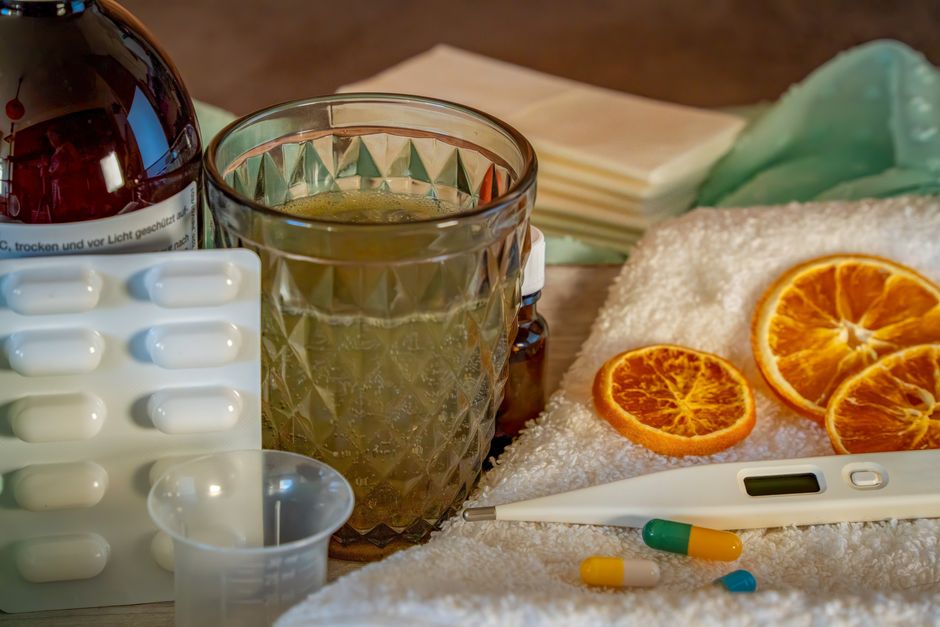
Strep throat is a bacterial infection caused by group A Streptococcus. Unlike a viral sore throat, it will not get better on its own. Treatment usually involves antibiotics, and starting them quickly shortens the illness and prevents serious complications. Most people feel significantly better within 48 hours of starting the right antibiotic.
How Is Strep Throat Treated?
Strep throat is treated with prescription antibiotics. Penicillin and amoxicillin are the standard first-choice options for most people. For those allergic to penicillin, a cephalosporin, clindamycin, or azithromycin may be used instead.
Antibiotics work by killing the bacteria causing the infection. They do not relieve symptoms like pain or fever directly. That is what over-the-counter pain relievers are for. The combination of antibiotics plus symptom management is the standard approach.
It is important to take the full course of antibiotics exactly as prescribed. Stopping early can leave some bacteria alive. That can lead to a return of the infection or, in rare cases, complications.
Why Are Antibiotics Necessary for Strep Throat?
Strep throat does not resolve on its own the way viral infections do. Without antibiotics, the infection can last longer and spread to other parts of the body.
The main reason antibiotics are prescribed is to prevent serious complications. The most concerning is rheumatic fever, which can damage the heart valves permanently. Antibiotics also reduce the risk of kidney inflammation and abscess formation near the tonsils.
Another important reason is contagiousness. A person with strep throat is contagious until they have been on antibiotics for at least 24 hours. After that point, they are generally no longer able to spread the bacteria to others.
Research consistently shows that antibiotics shorten the illness by about one to two days. They also reduce the severity of symptoms during that time.
What Antibiotics Are Used for Strep Throat?
Penicillin remains the first-line treatment for strep throat in most cases. It has been used for decades, and the strep bacteria has not developed significant resistance to it. That makes it reliable and inexpensive.
Amoxicillin is another common choice. It is similar to penicillin but is often preferred for children because it tastes better in liquid form. Both are taken by mouth, usually for 10 days.
For people with a penicillin allergy, the options change. Cephalexin is a common alternative. Clindamycin and azithromycin are also options, though azithromycin is typically given for a shorter course of 5 days.
It is not appropriate to take leftover antibiotics from a previous illness. The specific drug, dose, and duration must match the current infection. Using the wrong antibiotic can fail to clear the bacteria and contribute to resistance.





How Long Does Strep Throat Treatment Take to Work?
Most people notice improvement within 24 to 48 hours of starting antibiotics. Fever usually breaks first. Sore throat and swelling follow shortly after.
Even when symptoms improve quickly, the full course of antibiotics must be completed. The bacteria may still be present even if you feel better. Stopping early increases the chance of the infection returning.
If there is no improvement after 48 hours of antibiotics, contact a doctor. This can happen if the bacteria is resistant to the drug, if the dose is too low, or if the diagnosis is wrong. It can also mean a complication has developed, such as a peritonsillar abscess.
How to Manage Strep Throat Symptoms at Home
Antibiotics treat the infection, but they do not provide immediate pain relief. Symptom management is a separate and important part of treatment.
Over-the-counter pain relievers such as acetaminophen or ibuprofen can reduce throat pain and fever. These are safe for most adults and children when taken according to the label instructions. Aspirin should never be given to children or teenagers due to the risk of Reye’s syndrome, a rare but serious condition.
Other comfort measures include:
- Drinking warm liquids like tea with honey or broth
- Sucking on ice chips or lozenges for older children and adults
- Gargling with warm salt water several times a day
- Using a cool-mist humidifier to keep the throat from drying out
- Resting and staying well hydrated
Honey can help soothe a cough and sore throat in adults and children over one year old. It should never be given to infants under 12 months due to the risk of infant botulism.
When Should You See a Doctor for a Sore Throat?
Not every sore throat is strep. Most sore throats are caused by viruses and do not need antibiotics. Taking antibiotics for a viral infection does not help and can contribute to antibiotic resistance.
See a doctor if you have a sore throat along with:
- A fever above 100.4°F (38°C)
- Swollen lymph nodes in the neck
- White patches or pus on the tonsils
- No cough, runny nose, or other cold symptoms
- Symptoms lasting more than 48 hours without improvement
These signs point toward a bacterial infection. A doctor can perform a rapid strep test or throat culture to confirm the diagnosis before prescribing antibiotics.
A rapid strep test gives results in minutes but can miss some infections. A throat culture takes 24 to 48 hours but is more accurate. If the rapid test is negative but symptoms strongly suggest strep, a culture may be sent to the lab for confirmation.
Can Strep Throat Be Treated Without Antibiotics?
No. There is no evidence that home remedies or natural treatments can cure strep throat. They can ease symptoms, but they cannot kill the bacteria.
Some people wonder if they can wait it out. The body can sometimes clear the infection on its own, but the risk is not worth it. Rheumatic fever can develop even from a mild or untreated strep infection. It can occur two to three weeks after the sore throat resolves.
This is why medical evaluation matters. If a throat culture confirms strep, antibiotics are the only treatment that addresses the cause. Delaying treatment increases the risk of complications and the period of contagiousness.
What Happens If Strep Throat Is Not Treated?
Untreated strep throat can lead to several complications. The most serious is rheumatic fever, which can cause permanent damage to heart valves. This condition is now rare in developed countries because of widespread antibiotic use.
Other possible complications include:
- Peritonsillar abscess — a collection of pus behind the tonsils that may require drainage
- Sinusitis or ear infections
- Post-streptococcal glomerulonephritis — a kidney condition that can cause blood in the urine and swelling
- Scarlet fever — a rash that can accompany strep infection
These complications are uncommon when strep is treated promptly. That is why the standard of care is to confirm the diagnosis and start antibiotics without unnecessary delay.
Is Strep Throat Contagious During Treatment?
A person with strep throat is contagious until they have been on antibiotics for at least 24 hours. Before that point, the bacteria can spread through respiratory droplets from coughing, sneezing, or talking.
It can also spread by sharing food, drinks, or utensils. Touching surfaces contaminated with the bacteria and then touching the mouth or nose can also transmit it.
After 24 hours of antibiotics, the person is generally no longer contagious. They can return to school or work as long as they are feeling well enough and their fever has resolved.
For people who choose not to take antibiotics, they remain contagious for up to two to three weeks. This is another reason treatment is recommended beyond just personal health.
Frequently Asked Questions
How quickly does strep throat improve after starting antibiotics?
Most people feel better within 24 to 48 hours of starting antibiotics. The full course must still be completed even if symptoms improve.
Can I take ibuprofen for strep throat pain?
Yes, ibuprofen or acetaminophen can reduce throat pain and fever. Follow the dosing instructions on the label and do not give aspirin to children or teenagers.
Is strep throat contagious after 24 hours of antibiotics?
Yes, after 24 hours of antibiotics a person is generally no longer contagious. They can return to work or school if fever has resolved and they feel well enough.
What happens if I stop antibiotics early for strep throat?
Stopping antibiotics early can allow the infection to return and increases the risk of complications. Always finish the entire prescribed course.
