
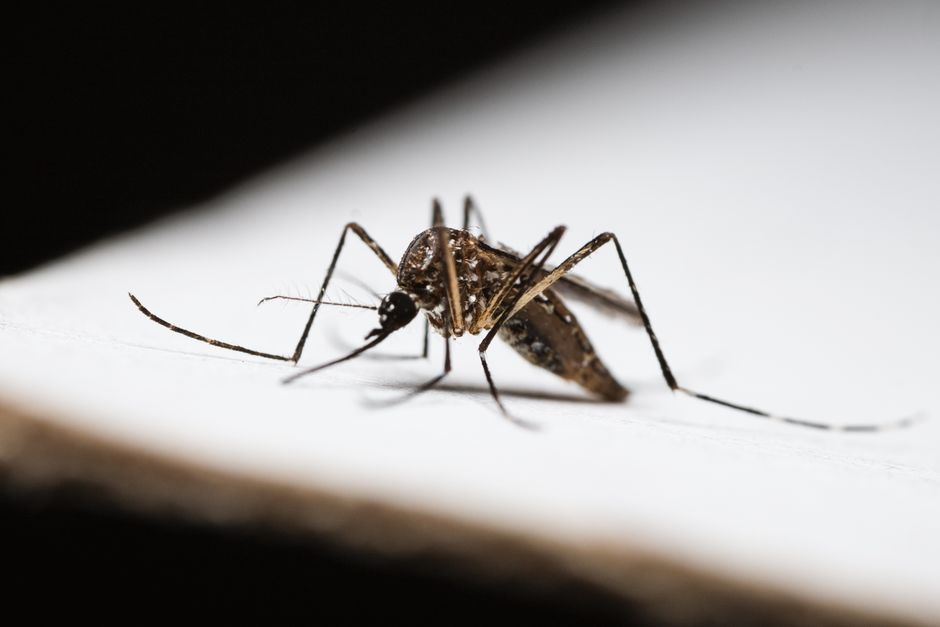
Malaria is a serious and sometimes life-threatening disease caused by parasites that are spread to people through the bites of infected female Anopheles mosquitoes. The disease is treated with prescription antimalarial medications that kill the parasite in the bloodstream. The specific drug, the length of treatment, and the form of the medicine depend on the type of malaria parasite, the severity of the illness, and the patient’s age and health status. Treatment is highly effective when started early, but it requires a precise diagnosis and a prescription from a doctor.
What Is the First Step in Treating Malaria?
The first step is always a confirmed diagnosis. A doctor must take a blood sample and examine it under a microscope or use a rapid diagnostic test to confirm that malaria parasites are present. Treating a fever without confirming malaria is dangerous because it can delay the correct treatment and allow the infection to worsen.
Once the diagnosis is confirmed, treatment must begin quickly. The World Health Organization recommends that patients with confirmed malaria start antimalarial medicine within 24 hours of the onset of symptoms to reduce the risk of severe disease and death.
If you have traveled to a malaria-endemic region and develop a fever, you should seek medical care immediately and tell your doctor about your travel history. This information is critical because malaria symptoms can resemble the flu, and a doctor may not suspect it without that detail.
Which Medications Are Used to Treat Malaria?
The most common and effective treatment for uncomplicated malaria is a combination therapy called artemisinin-based combination therapy, or ACT. These drugs combine a fast-acting artemisinin derivative with a longer-acting partner drug. The combination makes it harder for the parasite to develop resistance and clears the infection more reliably than a single drug.
Common ACTs include artemether-lumefantrine, artesunate-amodiaquine, and dihydroartemisinin-piperaquine. The specific ACT prescribed depends on where the infection was acquired because malaria parasites in different regions have different resistance patterns.
For certain types of malaria, a different drug may be used. For example, Plasmodium vivax and Plasmodium ovale can remain dormant in the liver and cause a relapse weeks or months later. To prevent relapse, doctors may prescribe a second drug called primaquine, which kills the dormant liver forms. This drug requires a blood test to check for a specific enzyme deficiency, known as G6PD deficiency, before it can be safely used.
Severe malaria is a medical emergency and is treated in a hospital with intravenous artesunate. This injectable drug is given for at least 24 hours and is followed by a full course of oral ACT once the patient can swallow reliably.
How Long Does Malaria Treatment Take?
Most standard courses of ACT last about three days. The medicine must be taken exactly as prescribed, even if you feel better before finishing the bottle. Stopping early can leave a few parasites alive, and those survivors can multiply and cause a return of symptoms.
Primaquine, when needed for liver-stage parasites, is usually taken for 14 days. The full course is necessary to eliminate dormant parasites and prevent relapse.
For severe malaria treated in the hospital, the intravenous artesunate is given for at least 24 hours. After that, the patient transitions to oral medication to complete the full treatment course.
It is also important to know that the fever and chills usually improve within 24 to 48 hours after starting effective treatment. If symptoms do not improve within that window, the patient should notify their doctor because it may indicate drug resistance or a misdiagnosis.





What Happens If Malaria Is Left Untreated?
Untreated malaria can progress rapidly from mild symptoms to severe illness. The symptoms typically begin with fever, chills, headache, and muscle aches, but they can escalate to severe anemia, difficulty breathing, kidney failure, and coma.
The most dangerous form of the disease is cerebral malaria, which occurs when infected red blood cells block blood vessels in the brain. This condition can cause seizures, neurological damage, and death if not treated immediately.
Children under five and pregnant women are at the highest risk of severe disease. In these groups, the infection can become life-threatening faster than in healthy adults. That is why early diagnosis and treatment are so critical.
Even with treatment, some people experience complications. But the risk of death drops dramatically when antimalarial drugs are started early. Delays in treatment are the single biggest factor associated with poor outcomes.
Can Malaria Be Treated at Home?
No. Malaria cannot be safely treated at home with over-the-counter medicines. The drugs used to treat malaria are prescription medications, and they must be matched to the specific parasite species and the patient’s clinical condition.
Taking the wrong drug, the wrong dose, or a counterfeit medicine can lead to treatment failure and severe illness. In many malaria-endemic countries, counterfeit antimalarial drugs are a known problem, which is why the World Health Organization recommends using medicines from reputable sources.
Fever reducers like acetaminophen can be used to manage discomfort while awaiting a diagnosis, but they do not kill the parasite. They are supportive care only.
If you are diagnosed with malaria, follow your doctor’s instructions exactly. Do not share your medication with anyone else. The dose is calculated based on body weight and the specific parasite species, so what works for one person may not work for another.
How Is Malaria Treated During Pregnancy?
Malaria in pregnancy is dangerous for both the mother and the baby. It increases the risk of severe anemia in the mother and low birth weight, preterm birth, and fetal loss in the baby. Treatment during pregnancy requires special consideration because not all antimalarial drugs are safe for the developing fetus.
The first trimester of pregnancy is the most sensitive period for medication exposure. For uncomplicated malaria in the first trimester, quinine plus clindamycin is the recommended treatment in many regions. In the second and third trimesters, ACTs are considered safe and are the preferred treatment.
Severe malaria in pregnancy is treated with intravenous artesunate, which is considered the safest and most effective option even though it is used in all trimesters.
Pregnant women with malaria should always be treated in consultation with an obstetrician or infectious disease specialist. The risks of the infection far outweigh the risks of the medication, but the choice of drug must be made carefully.
What About Drug Resistance?
Drug resistance is a serious and growing problem in malaria treatment. The parasite has developed resistance to nearly every antimalarial drug that has been widely used. This is why combination therapy is now the standard of care — it is much harder for the parasite to develop resistance to two drugs at once.
Resistance to artemisinin, the core component of ACTs, has been confirmed in parts of Southeast Asia and, more recently, in some areas of Africa. This is a major concern for global malaria control efforts.
Because of resistance patterns, doctors need to know where the patient acquired the infection. A person who got malaria in one region may need a different drug than someone infected in another region. This is why self-treatment with leftover medication is never appropriate.
How Can Malaria Be Prevented?
Prevention is the most effective strategy for people traveling to malaria-endemic regions. This involves a combination of mosquito avoidance and preventive medication.
Mosquito avoidance includes using insect repellent containing DEET, sleeping under an insecticide-treated bed net, wearing long sleeves and pants in the evening, and staying in air-conditioned or screened accommodations.
Preventive medication, also called chemoprophylaxis, is taken before, during, and after travel to reduce the risk of infection. The specific drug depends on the destination and the traveler’s health status. Common options include atovaquone-proguanil, doxycycline, and mefloquine. These are prescription medications, and they must be started before departure and continued for the full prescribed duration after returning home.
No preventive drug is 100 percent effective. Travelers should still take mosquito precautions even while on medication. And if a fever develops within a year of returning from a malaria-endemic area, the traveler should seek medical care and mention the travel history.
Frequently Asked Questions
Can malaria be cured completely?
Yes, when diagnosed early and treated with the correct antimalarial medication, malaria can be cured completely. The key is starting treatment promptly and completing the full course of medication.
How soon do symptoms improve after starting malaria treatment?
Fever and chills usually improve within 24 to 48 hours after starting effective treatment. If symptoms do not improve within this time, contact your doctor because it may indicate drug resistance or a different diagnosis.
Is malaria treatment the same for all types of malaria?
No, treatment differs by parasite species and severity. Plasmodium falciparum is the most dangerous and usually requires ACT, while other species may need additional drugs like primaquine to prevent relapse.
Can I take leftover malaria medicine from a previous trip?
No. Malaria treatment must be matched to the specific parasite and the patient’s weight, age, and health status. Leftover medication may be expired, counterfeit, or the wrong drug for the current infection.
