
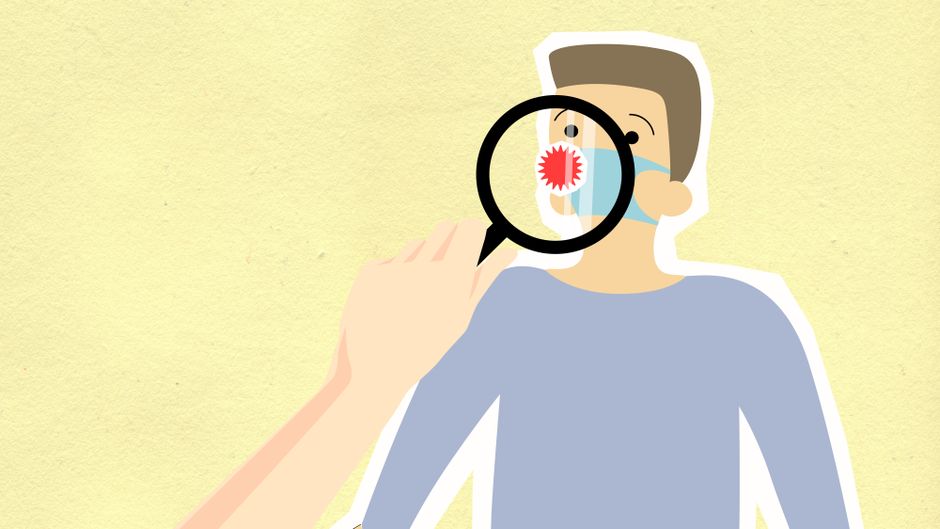
Mononucleosis spreads mainly through direct contact with saliva from an infected person. This is why it is often called the “kissing disease.” The virus that causes mono, Epstein-Barr virus (EBV), lives in saliva and can pass from one person to another through shared drinks, toothbrushes, or even a cough or sneeze if droplets land on someone else’s mouth or nose.
What Exactly Is the Virus That Causes Mono?
The cause is the Epstein-Barr virus. EBV is a type of herpes virus. Most people get infected with EBV at some point in their lives. The CDC estimates that about 90% of adults worldwide carry the virus by age 35.
Many people never develop symptoms. When symptoms do appear, they usually show up in teenagers and young adults. Young children often have mild or no symptoms at all. The virus stays in the body for life after infection, but most people do not get sick from it again.
How Is Mononucleosis Spread From Person to Person?
Direct saliva contact is the main route. Kissing is the most common way. Sharing a water bottle, a straw, or a toothbrush also works. The virus can survive on surfaces for a short time, but the CDC states that it does not spread easily through the air like the flu.
Less common ways include:
- Blood transfusions
- Organ transplants
- Sharing food or utensils
- Contact with a contaminated surface and then touching your mouth
You cannot catch mono from casual contact like sitting next to someone or shaking hands. The virus needs direct access to your mouth or nose through infected saliva.
How Long Is Someone Contagious With Mono?
People with mono can spread the virus for a long time. The contagious period starts before symptoms appear and can last for months after recovery.
Research published in the Journal of Infectious Diseases found that most people shed EBV in their saliva for about three to six months after symptoms begin. Some people continue to shed the virus on and off for years without knowing it. This is why mono can spread even when someone feels fine.
The most contagious period is during the first few weeks of illness. That is when saliva contains the highest amount of the virus. After you recover, you may still pass the virus to others, but the risk is lower.





Can You Get Mono More Than Once?
Most people only get mono once. After the initial infection, your immune system keeps the virus under control. The virus stays in your body in a dormant state. It can reactivate later, but this rarely causes symptoms again in healthy people.
Some studies suggest that reactivation can happen in people with weakened immune systems. This includes people on chemotherapy, organ transplant recipients, or those with HIV. In these cases, the person might shed the virus in their saliva again without feeling sick.
If you think you have mono a second time, it might be a different illness. Other viruses like cytomegalovirus (CMV) or toxoplasmosis can cause similar symptoms. A blood test can confirm whether EBV is the cause.
What Are the Symptoms and How Do They Show Up?
Symptoms usually appear four to six weeks after exposure. This is called the incubation period. In young children, the incubation period may be shorter, often around 10 to 20 days.
Common symptoms include:
- Extreme fatigue
- Fever
- Sore throat
- Swollen lymph nodes in the neck and armpits
- Swollen tonsils
- Headache
- Body aches
- Loss of appetite
One key sign that separates mono from a common cold is how long symptoms last. Mono fatigue can stick around for weeks or even months. The sore throat can be severe enough to make swallowing painful. Some people also develop a swollen spleen or liver, which can cause pain on the left side of the abdomen or jaundice.
How Is Mono Diagnosed and Treated?
Doctors usually diagnose mono based on symptoms and a physical exam. They check for swollen lymph nodes, a red throat, and an enlarged spleen or liver. A blood test called the Monospot test can confirm the diagnosis. This test looks for antibodies your body makes in response to EBV.
The Monospot test is most accurate when symptoms have been present for at least one to two weeks. Early in the illness, the test may come back negative even if you have mono. A more specific EBV antibody test can help in those cases.
There is no cure for mono. Treatment focuses on managing symptoms. Rest is the main recommendation. Over-the-counter pain relievers like acetaminophen or ibuprofen can help with fever and sore throat. Doctors sometimes prescribe steroids for severe throat swelling, but this is not routine.
One important warning: do not take amoxicillin or other penicillin antibiotics if you have mono. Taking these antibiotics during a mono infection can cause a widespread rash. This rash is not an allergic reaction to the drug—it is a side effect of the virus interacting with the antibiotic.
How Can You Protect Yourself and Others?
The best way to avoid mono is to avoid direct contact with saliva from infected people. This means not kissing someone who is sick and not sharing drinks, food, or personal items like toothbrushes or lip balm.
Good hygiene helps reduce the risk. Wash your hands regularly, especially after touching shared surfaces. Avoid touching your face, particularly your mouth and nose, in public spaces.
If you have mono, you can protect others by staying home from school or work while you have a fever. Avoid kissing and sharing items for at least a few weeks after symptoms start. Some doctors recommend waiting until you feel fully recovered and your energy is back to normal before returning to close contact with others.
There is no vaccine for EBV. Research is ongoing, but as of 2026, no approved vaccine exists. The best protection is awareness and careful habits.
Common Misconceptions About Mono Spread
One widespread myth is that mono spreads through air like a cold or flu. It does not. You cannot catch it from someone coughing near you unless their saliva directly gets into your mouth or nose. The virus is not airborne in the same way as influenza or COVID-19.
Another myth is that you can only get mono from kissing. While kissing is the most common route, any saliva exchange can cause infection. Sharing a straw or a water bottle with someone who has mono is enough.
Some people believe that mono is a mild illness that always goes away quickly. While many cases are mild, the fatigue can be severe and long-lasting. A small number of people develop complications like a ruptured spleen, which requires emergency medical care. If you have mono and feel sudden sharp pain in your upper left abdomen, seek help immediately.
Comparison: Mono vs. Other Common Infections
| Infection | Main Spread Method | Incubation Period | Typical Duration |
|---|---|---|---|
| Mononucleosis (EBV) | Saliva contact | 4–6 weeks | 2–4 weeks (fatigue may last months) |
| Common cold | Airborne droplets, surfaces | 1–3 days | 7–10 days |
| Strep throat | Respiratory droplets | 2–5 days | 3–7 days with antibiotics |
| Influenza | Airborne droplets | 1–4 days | 5–7 days |
Frequently Asked Questions
Can you get mono from sharing a glass or straw?
Yes, sharing a glass or straw with someone who has mono can spread the virus if their saliva is on the rim or inside the cup.
How long after exposure do mono symptoms start?
Symptoms usually appear four to six weeks after exposure, though it can range from 10 days to two months.
Is mono contagious before symptoms appear?
Yes, people can spread the virus during the incubation period, often before they know they are sick.
Can you get mono from kissing someone who had it years ago?
It is possible but unlikely. The virus can reactivate and be present in saliva without symptoms, but this is rare in healthy people.
