
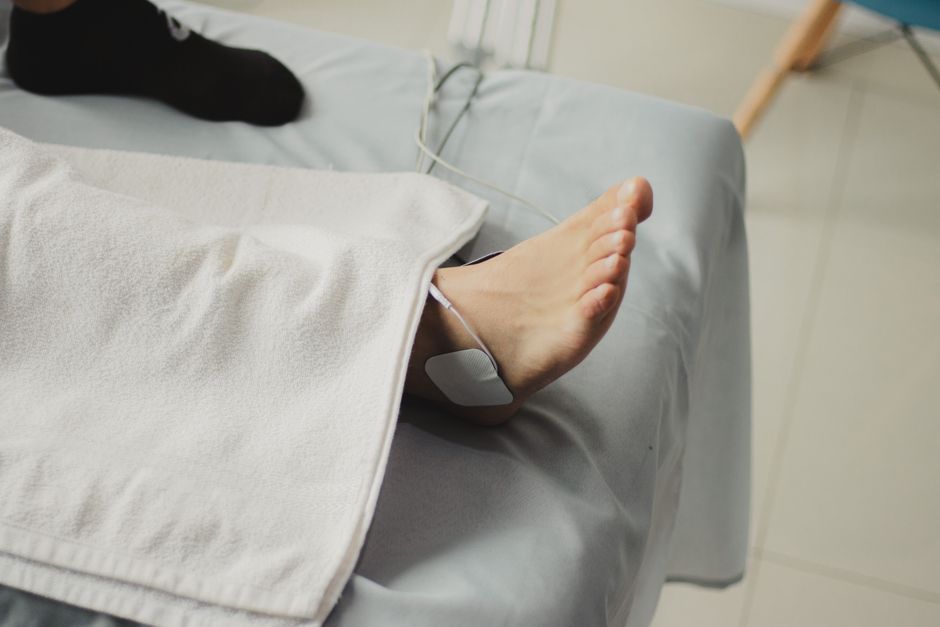
Iron overload happens when your body stores too much iron. Over time, that extra iron builds up in organs like the heart, liver, and pancreas, where it can cause serious damage. Iron chelation therapy is the medical treatment designed to remove that excess iron. It uses medications that bind to the iron in your bloodstream and tissues, allowing your body to flush it out through urine or stool. This process helps prevent organ damage and is a standard treatment for conditions like hereditary hemochromatosis and iron overload caused by repeated blood transfusions.
What Is Iron Chelation Therapy?
Iron chelation therapy is a treatment that removes excess iron from the body. The word “chelate” comes from a Greek term meaning “claw.” The medication acts like a claw that grabs onto iron molecules.
Once the medication binds to the iron, the combination becomes water-soluble. Your kidneys filter it out of your blood, and you pass it in your urine. Some forms are also eliminated through bile and leave the body in stool.
This therapy is not a supplement or a preventative measure for healthy people. It is a medical treatment for people with diagnosed iron overload. It requires a prescription and close monitoring by a doctor.
How Does Iron Chelation Therapy Treat Iron Overload?
Iron chelation therapy works by changing how your body handles the excess iron it cannot get rid of on its own. Humans have no natural way to excrete significant amounts of iron. We only lose small amounts through sweating, skin cell shedding, and minor bleeding.
When blood transfusions or genetic conditions overwhelm this limited system, iron accumulates. Chelating agents solve this problem by chemically binding to the iron. The bound iron is then safely removed from the body.
The goal is straightforward: reduce iron levels to a safe range and keep them there. This prevents iron from depositing in the heart, liver, and endocrine glands. By lowering total body iron, chelation therapy reduces the risk of heart failure, liver cirrhosis, and diabetes—complications that arise from untreated iron overload.
Who Needs Iron Chelation Therapy?
Iron chelation therapy is not for everyone with high iron. It is specifically for people whose bodies cannot safely remove iron on their own.
The most common candidates include:
- People with transfusion-dependent anemias such as beta-thalassemia major or sickle cell disease
- People with hereditary hemochromatosis who cannot tolerate regular phlebotomy (blood removal)
- People with myelodysplastic syndromes who receive many blood transfusions
For hereditary hemochromatosis, the first-line treatment is usually therapeutic phlebotomy. Removing blood removes iron-rich red blood cells. Chelation therapy is used when phlebotomy is not possible or not enough.
For transfusion-dependent patients, chelation is often essential. Each unit of red blood cells contains about 200 to 250 milligrams of iron. The body has no mechanism to excrete this extra load, so it accumulates over time.



What Are the Available Chelation Medications?
There are three main iron chelators approved for clinical use. They differ in how they are given, how often they are used, and their side effect profiles.
Deferoxamine is the oldest and has been used since the 1960s. It is given by injection, usually under the skin, over 8 to 12 hours. Many patients use a small portable pump overnight. It can also be given intravenously or into the muscle in certain situations.
Deferasirox is an oral medication taken once daily as a tablet or dissolvable powder. It was approved in the mid-2000s and has become a common choice because of its convenience.
Deferiprone is another oral option, typically taken three times daily. It is often used in combination with deferoxamine for patients with severe cardiac iron loading.
The choice of medication depends on the cause of iron overload, the severity, the patient’s age, and other medical conditions. A hematologist determines which agent is most appropriate for each individual.
How Is Treatment Monitored?
Iron chelation therapy requires careful monitoring. The goal is to remove enough iron to prevent damage without removing too much, which can cause its own problems.
Doctors monitor treatment using a blood test called serum ferritin. Ferritin is a protein that stores iron. High levels indicate excess iron stores. The target is usually to keep ferritin below a certain threshold, though the exact goal varies by condition.
More precise measurements may be needed in some cases. An MRI technique called T2* can measure iron concentration directly in the heart and liver. This helps doctors adjust treatment for patients at highest risk of cardiac complications.
Regular blood tests also check for side effects. Kidney function, liver enzymes, and blood cell counts are typically reviewed at each visit. Hearing and eye exams may be recommended periodically, as some chelators can affect these senses.
What Are the Side Effects and Risks?
Iron chelation medications are powerful drugs, and they carry real risks. The side effects depend on which medication is used.
Deferoxamine can cause pain and swelling at the injection site. Long-term use can affect hearing and vision. High doses may slow bone growth in children.
Deferasirox commonly causes nausea, vomiting, and diarrhea. It can affect kidney function, so your doctor will check your blood regularly. Rarely, it can cause liver problems or severe skin reactions.
Deferiprone can cause joint pain and low white blood cell counts. In rare cases, it can cause severe neutropenia—a dangerous drop in infection-fighting cells. Patients taking deferiprone need frequent blood count monitoring.
One of the most important risks of any chelation therapy is over-chelation. Removing too much iron can lead to anemia or pull essential metals like zinc and copper out of the body. This is why dosing must be precise and individualized.
Patients who are pregnant or breastfeeding should discuss treatment with their doctor. The safety of these medications during pregnancy is not well established, and treatment plans often need adjustment.
How Effective Is Chelation Therapy?
When used correctly, iron chelation therapy is highly effective at preventing the complications of iron overload. Before chelation therapy became available, cardiac disease from iron overload was the leading cause of death in young adults with thalassemia major.
Research and clinical experience have shown that consistent chelation therapy dramatically reduces heart damage and improves survival. The key is adherence. Chelation only works if the medication is taken exactly as prescribed, and that can be challenging for treatments that require injections or multiple daily doses.
Some studies suggest that combining two chelators can be more effective than one alone, especially for patients with cardiac iron. Deferiprone and deferoxamine are sometimes used together in severe cases. This combination approach is supported by clinical evidence, but it is reserved for specific situations.
What Happens Without Treatment?
Untreated iron overload is a progressive disease. Iron accumulates silently for years before symptoms appear.
Early symptoms are vague: fatigue, weakness, joint pain, and abdominal discomfort. As iron deposits increase, organ damage becomes more evident.
In the liver, iron causes fibrosis and can progress to cirrhosis. In the heart, iron disrupts electrical conduction and muscle function, leading to arrhythmias and heart failure. In the pancreas, iron destroys insulin-producing cells, causing diabetes.
Iron can also affect the pituitary gland, leading to hormonal deficiencies. This can cause delayed puberty, low thyroid function, and reduced bone density.
Once organ damage occurs, it may not be fully reversible. This is why early detection and consistent treatment matter so much.
Can Diet Help Manage Iron Overload?
Diet alone cannot treat iron overload, but it can support medical treatment. People with iron overload should avoid iron supplements and multivitamins containing iron. They should also be cautious with vitamin C supplements, which increase iron absorption.
Some dietary choices can reduce iron absorption. Calcium from dairy products and tea or coffee consumed with meals can decrease the amount of iron your body absorbs from food. This effect is modest, but it can help.
Alcohol should be limited or avoided, especially when liver damage is present. Alcohol increases iron absorption and adds stress to the liver.
Red meat and other heme iron sources are absorbed more efficiently than plant-based iron. Reducing intake of these foods may help, though dietary changes are always secondary to chelation or phlebotomy.
Frequently Asked Questions
Is iron chelation therapy painful?
Deferoxamine injections can cause discomfort at the injection site, but oral medications like deferasirox and deferiprone are not painful. The underlying condition, not the treatment itself, usually determines overall discomfort.
How long does iron chelation therapy last?
Treatment duration depends on the cause of iron overload. People with transfusion-dependent anemias often need lifelong chelation, while those with hereditary hemochromatosis may only need it temporarily if phlebotomy is not an option.
Can iron chelation therapy cure hemochromatosis?
No, chelation therapy does not cure the genetic condition. It manages iron levels and prevents organ damage, but the underlying genetic mutation remains. Treatment is ongoing for most patients.
What foods should be avoided during iron chelation therapy?
Iron supplements and high-dose vitamin C should be avoided. Alcohol should be limited. Foods high in iron do not need to be completely eliminated, but reducing red meat intake can help lower overall iron absorption.
