
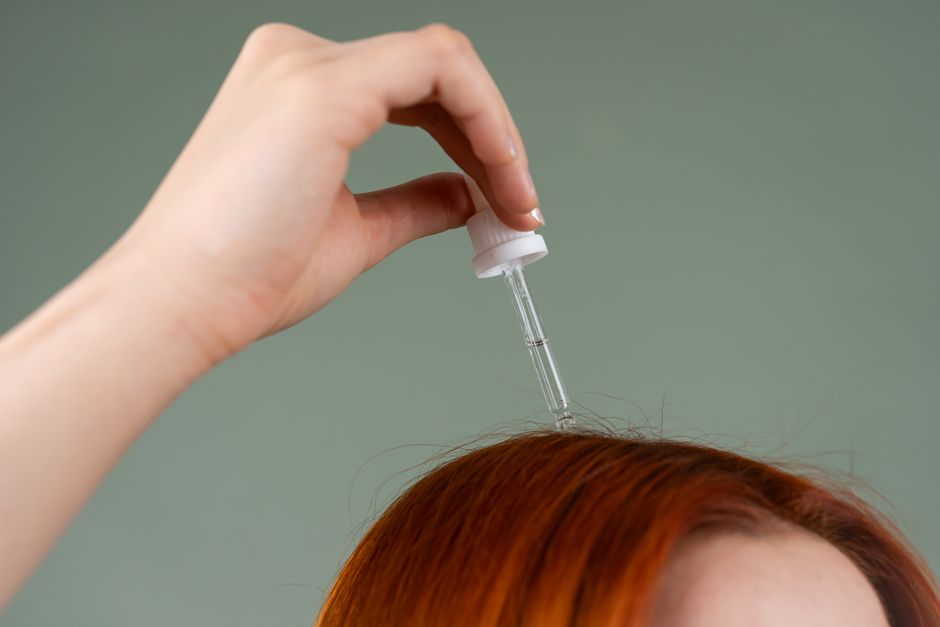
Thick hair starts with understanding what makes hair thin in the first place. Genetics play the largest role, but daily habits, nutrition, and how you treat your hair matter more than most people realize. You cannot change your hair follicle count, but you can protect the hair you have, improve its condition, and create the best environment for growth. The practical answer is to focus on scalp health, gentle handling, adequate protein and iron intake, and proven treatments — not miracle products.
What Actually Determines Hair Thickness?
Hair thickness is set by your genetics. Each follicle produces one strand of hair, and the diameter of that strand is largely determined before you are born. You cannot increase the number of follicles you have. What you can do is maximize the health of each strand and prevent premature shedding.
Hair grows in cycles. The growth phase lasts two to seven years, followed by a resting phase and then shedding. At any given time, about 90 percent of your hair is in the growth phase. Disruptions to this cycle — from stress, illness, nutrient deficiencies, or hormonal changes — can push more hairs into the shedding phase at once.
That is why sudden thinning often appears weeks or months after a stressful event. The hair does not fall out immediately. It shifts into the shedding phase and falls later. Understanding this delay helps explain why treatments take time to show visible results.
How I Make My Hair Thick: The Core Routine
There is no single product that makes hair thick overnight. A consistent routine built on scalp health and gentle care produces the best results over several months.
Start with your scalp. Healthy hair grows from healthy skin. Wash regularly enough to remove excess oil and product buildup, but not so often that you strip natural oils. For most people, washing every two to three days works well. If your scalp is oily, daily washing is fine. If it is dry, stretch it longer.
Massage your scalp during washing. Gentle circular pressure for two to three minutes increases blood flow to the follicles. The evidence for scalp massage improving hair thickness is limited, but it is harmless and may help with relaxation. Do not scrub aggressively — that can damage hair shafts and irritate the scalp.
Condition every time you wash. Conditioner coats the hair shaft, reduces friction, and makes hair less likely to break during brushing or styling. Breakage is not the same as hair loss, but it makes hair look thinner. Protecting the strands you have is part of the equation.
Does Diet Actually Change Hair Thickness?
Your hair is made of a protein called keratin. If you do not eat enough protein, your body prioritizes other functions and hair growth slows. Most adults need roughly 0.36 grams of protein per pound of body weight per day. For a 150-pound person, that is about 54 grams daily. One chicken breast, a cup of Greek yogurt, or a serving of beans each provide roughly 20 to 25 grams.
Iron deficiency is one of the most common causes of hair thinning, especially in women. Low iron stores can shorten the growth phase and increase shedding. A simple blood test from your doctor can check your ferritin level. Many clinicians consider a ferritin below 30 ng/mL a risk factor for hair shedding, though optimal levels for hair growth are debated.
Other nutrients matter too. Zinc, vitamin D, and B vitamins all play roles in hair follicle function. Severe deficiencies are linked to hair loss, but taking extra when you are not deficient does not make hair grow faster or thicker. The evidence for high-dose supplements in people with normal levels is weak.
One exception worth noting: biotin. It is heavily marketed for hair growth, but clinical deficiency is rare, and studies have not shown that biotin supplements thicken hair in healthy people. If your diet is balanced, a biotin supplement is unlikely to change your hair.





What Hair Care Habits Prevent Thinning?
How you handle your hair daily matters more than any product you apply. Heat styling weakens the protein structure of hair over time. If you use heat, keep the temperature moderate and always use a heat protectant. Let hair air dry when possible.
Tight hairstyles pull on the follicle. Wearing tight ponytails, braids, or buns regularly can cause traction alopecia — hair loss from constant tension. This is reversible if caught early, but prolonged tension can permanently damage follicles. Alternate your hairstyles and keep them loose.
Brushing habits matter. Wet hair is more fragile than dry hair. Use a wide-tooth comb on wet hair and start from the ends, working upward. Avoid brushing wet hair with a dense brush, which can snap strands.
Chemical treatments — bleach, perms, relaxers — weaken the hair shaft. This does not stop growth at the root, but it makes existing hair more prone to breakage. If you chemically treat your hair, space out treatments and use deep conditioning regularly.
Do Hair Growth Products Actually Work?
Two treatments have strong clinical evidence for regrowing hair: minoxidil and finasteride. Both require a doctor’s guidance for the right use.
Minoxidil is available over the counter as a topical solution or foam. It is approved by the FDA for androgenetic alopecia — pattern hair loss. It works by prolonging the growth phase and enlarging miniaturized follicles. It takes at least four to six months to see results, and you must keep using it. If you stop, the gained hair falls out within months.
Finasteride is a prescription pill that blocks the conversion of testosterone to dihydrotestosterone (DHT), the hormone that shrinks hair follicles in pattern baldness. It is effective for many men, but it has potential side effects, including reduced libido. It is not approved for use in women who may become pregnant.
For women, topical minoxidil is the most established treatment. Low-dose oral minoxidil is sometimes prescribed off-label, but it requires medical supervision. Spironolactone, a blood pressure medication, is also used off-label for female pattern hair loss when hormones play a role. These are decisions to make with a dermatologist.
Everything else — most serums, oils, and supplements — has limited or mixed evidence. Some products contain peptides or botanical extracts that show promise in small studies, but no large trials have confirmed meaningful thickening. Be skeptical of before-and-after photos and celebrity endorsements. Marketing is not data.
When Should You See a Doctor About Hair Loss?
Sudden or patchy hair loss deserves medical attention. If you notice bald spots, clumps of hair coming out in the shower, or thinning that spreads quickly, see a doctor. These can signal autoimmune conditions, thyroid disease, or other medical issues that need treatment.
Gradual thinning over years is more likely pattern hair loss. A dermatologist can diagnose this by examining your scalp and sometimes using a dermoscope. They may order blood tests to check iron, thyroid, vitamin D, and hormone levels.
It is also worth noting that some hair loss is normal. Shedding 50 to 100 hairs per day is typical. Seeing hair in your brush or shower drain is not automatically a problem. The issue is when shedding increases noticeably or thinning becomes visible.
How Long Until You See Results?
Hair grows about half an inch per month. That is a hard biological limit. No product or treatment speeds up the growth rate beyond this. What treatments can do is reduce shedding and improve the quality of each strand.
With consistent care and treatment, most people notice changes in three to six months. Full results from minoxidil take up to a year. If you are addressing a nutrient deficiency, hair typically improves within three to six months of correcting it. Be patient and consistent. Missing days or stopping early resets your progress.
What Does Not Work for Thicker Hair?
Several popular claims have no solid evidence behind them. Rice water rinses are trendy but lack clinical studies. Onion juice has one small study suggesting possible benefit, but it has not been replicated. Collagen supplements are popular, but the evidence for hair benefits is preliminary at best.
Hair transplant surgery is the only permanent solution for pattern baldness. It moves follicles from the back of the scalp to thinning areas. It is effective but expensive and invasive. It is not the first step — most people try medical therapy first.
Laser caps and combs are FDA-cleared as devices, but “cleared” is not the same as “proven highly effective.” Some small studies show modest benefit, and they are safe to use. Just do not expect dramatic results.
Frequently Asked Questions
Can hair really become thicker once it is thinning?
Yes, in many cases. If thinning is caused by nutrient deficiency, stress, or early pattern hair loss, treating the cause can increase hair diameter and reduce shedding.
How fast does hair grow per month?
Hair grows about half an inch per month on average. This rate varies by age, genetics, and health, but it is a consistent biological baseline.
Does biotin make hair thicker?
Biotin only helps if you have a true deficiency, which is rare. In healthy people, studies have not confirmed that biotin supplements thicken hair.
Is hair loss reversible?
It depends on the cause. Temporary shedding from stress or deficiency usually reverses. Pattern hair loss can be slowed or partially reversed with minoxidil or finasteride, but stopping treatment reverses the gains.
