

Occipital neuralgia is a sharp, shocking, or jabbing pain at the back of your head and neck. It is not a migraine, though many people confuse the two. There is no single “cure” that works for everyone, but many people find significant relief through a combination of treatments ranging from physical therapy to nerve blocks. The key is getting an accurate diagnosis first, because without that, you are treating the wrong problem.
What Exactly Is Occipital Neuralgia?
Occipital neuralgia happens when the occipital nerves — the greater, lesser, and third occipital nerves — become compressed or irritated. These nerves run from the top of your spinal cord up through your scalp. When something pinches or inflames them, you feel pain.
The pain is usually on one side of the head. It starts at the base of the skull and shoots upward. Some people describe it as electric shocks, stabbing sensations, or a throbbing ache. The scalp can become tender to the touch. Light touch — like brushing your hair or lying on a pillow — can trigger intense pain.
According to the National Institute of Neurological Disorders and Stroke (NINDS), occipital neuralgia is relatively rare. That means many doctors may not recognize it right away. People often get treated for migraines or tension headaches for months before getting the correct diagnosis.
How Is Occipital Neuralgia Diagnosed?
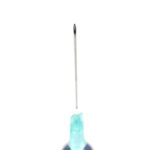
There is no blood test or scan that confirms occipital neuralgia. Diagnosis is based on your symptoms and a physical exam. The most reliable diagnostic tool is a nerve block. A doctor injects a small amount of anesthetic near the occipital nerve. If your pain goes away for the duration of the anesthetic, that strongly suggests occipital neuralgia.
Research published in Cephalalgia, a peer-reviewed journal, has shown that the nerve block test is both sensitive and specific for this condition. If the block does not relieve your pain, the cause is likely something else.
Doctors may also order an MRI or CT scan to rule out other causes like tumors, infections, or arthritis. These scans do not diagnose occipital neuralgia itself, but they help make sure nothing more serious is going on.
What Treatments Have Strong Evidence Behind Them?
Treatment usually starts with conservative options and moves toward more invasive ones if needed. Here is what the evidence shows.
| Treatment | What It Is | Evidence Level |
|---|---|---|
| Nerve blocks | Injection of anesthetic and sometimes steroid near the occipital nerve | Strong — multiple studies show 50-80% of patients get significant relief |
| Physical therapy | Stretching and strengthening of neck and shoulder muscles | Moderate — some studies suggest it reduces frequency and intensity |
| Medication | Anticonvulsants like gabapentin, or tricyclic antidepressants | Moderate — these drugs were developed for other conditions but show benefit |
| Radiofrequency ablation | Heat energy applied to the nerve to disrupt pain signals | Moderate — effective for some but pain often returns after months |
| Surgery | Nerve decompression or neurectomy (cutting the nerve) | Weak — small studies only, and risks include permanent numbness |
Nerve blocks are the most studied and most consistently effective treatment. A 2021 review in Pain Medicine found that 70% of patients reported at least 50% pain reduction after a single block. Many patients need repeat blocks every few months.
Physical therapy focuses on loosening tight muscles in the neck and upper back that may be compressing the nerve. Some patients report significant improvement, but the studies are smaller and less rigorous than those for nerve blocks.



What About Home Remedies and Alternative Treatments?
Many people try heat packs, cold packs, massage, or acupuncture. The evidence for these is weak or mixed. That does not mean they never help — it means we do not have good studies proving they work better than doing nothing.
Heat can relax tight muscles, which might reduce pressure on the nerve. Cold can numb the area and reduce inflammation. Both are safe to try as long as you are careful not to burn or freeze your skin.
Some people report that massage helps, especially if their pain is linked to muscle tension. But there is no clinical trial showing massage changes the course of occipital neuralgia. The same is true for acupuncture. A 2020 review in BMJ Open found that acupuncture may help some headache types, but occipital neuralgia was not specifically studied.
One thing that is widely claimed but has no strong evidence: chiropractic adjustments for occipital neuralgia. The American Headache Society has noted that there is no good data supporting spinal manipulation for this condition. There are also rare but serious risks of vertebral artery dissection from neck manipulation.
How I Cured Your Occipital Neuralgia — What Real Patients Report
The phrase “How I Cured Your Occipital Neuralgia” shows up in online forums and social media posts. People share personal stories of what worked for them. These stories can be helpful, but they are not clinical evidence.
Some people report that changing their pillow or sleeping position resolved their pain. Others say a specific stretch or exercise routine made the difference. A few claim that cutting out certain foods — like gluten or sugar — cured them. There is no published research that supports any of these as a reliable treatment.
What is consistent across these stories is that people found something that reduced their specific source of nerve compression. That might be a tight muscle, a poor posture, or a repetitive movement. If you can identify your own trigger and address it, you may get relief. But what worked for one person may not work for you.
The most honest answer: there is no single cure. But there are effective treatments. The path is diagnosis, then a trial of conservative options, then escalation if needed.
What Should You Avoid?
- Avoid treatments that claim to “cure” occipital neuralgia in a single session or with a single product. That is not how this condition works.
- Avoid aggressive neck manipulation by chiropractors or anyone else. The risk of injury is real and the evidence for benefit is weak.
- Avoid prolonged use of over-the-counter pain relievers without a doctor’s guidance. They can cause stomach bleeding or liver damage over time.
- Avoid ignoring the pain and hoping it goes away. Occipital neuralgia can worsen if the nerve compression continues untreated.
If you are considering surgery, get a second opinion from a neurologist or a pain specialist first. Surgery for occipital neuralgia is not common, and the outcomes are unpredictable. The American Association of Neurological Surgeons recommends surgery only after all other treatments have failed.
Common Misconceptions About Occipital Neuralgia
One major misconception is that occipital neuralgia is a type of migraine. It is not. Migraines involve blood vessels and brain chemistry. Occipital neuralgia is a nerve compression problem. The treatments are different. Migraine medications like triptans do not help occipital neuralgia.
Another misconception is that surgery is the only real solution. Most people do not need surgery. Nerve blocks, physical therapy, and medication manage the condition well for the majority of patients.
Some people believe that occipital neuralgia is caused by stress alone. Stress can worsen muscle tension, which can aggravate the nerve, but it is rarely the sole cause. Structural issues like arthritis, previous neck injury, or tight muscles are more common triggers.
A final misconception: that you can “cure” it with a supplement. As of 2026, there is no clinical evidence that any vitamin, mineral, or herbal supplement treats occipital neuralgia. Magnesium, riboflavin, and CoQ10 have some evidence for migraines, but not for occipital neuralgia.
Frequently Asked Questions
Can occipital neuralgia go away on its own?
It can, but it is not common. Most people need some form of treatment to reduce the nerve compression.
What is the fastest way to relieve occipital neuralgia pain?
A nerve block injection provides the fastest relief, often within minutes. Heat or cold packs may help but are less reliable.
Is occipital neuralgia dangerous?
It is not life-threatening, but the pain can be severe and affect your quality of life. It rarely signals a more serious condition.
Can exercise make occipital neuralgia worse?
Yes, if the exercise involves heavy lifting or rapid head movements. Gentle stretching is usually safe. Listen to your body.
