
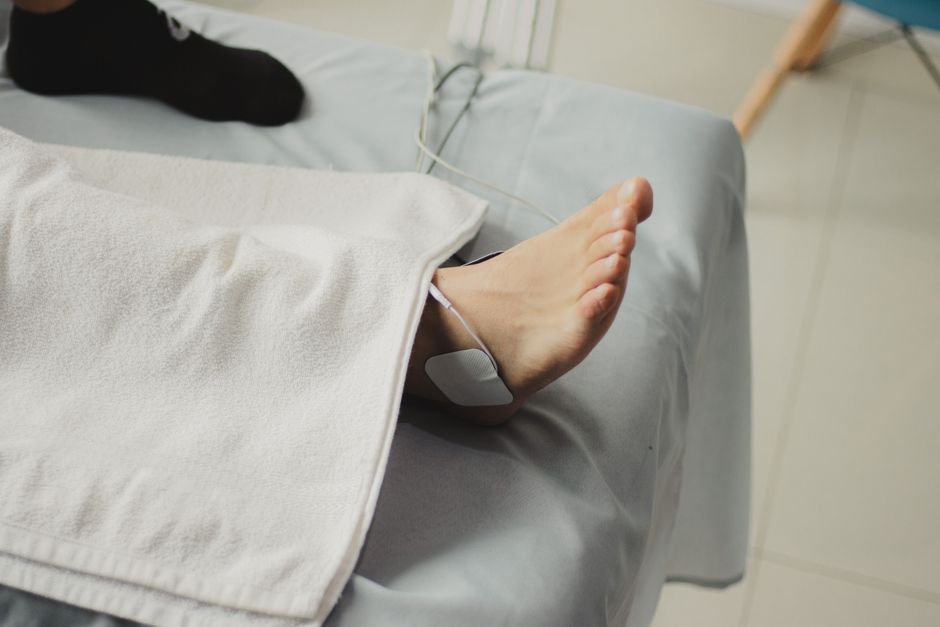
Foot cramps strike without warning. One moment you are fine, the next your foot muscles are locked in a painful spasm that can last seconds or minutes. The good news is that most foot cramps are temporary and respond well to simple actions. Stretching the foot, massaging the muscle, and applying warmth usually stops a cramp quickly. For recurring cramps, the fix often involves hydration, electrolyte balance, and daily stretching. Here is what works and what the evidence actually shows.
What Causes Foot Cramps?
A cramp is an involuntary muscle contraction. The muscle fires on its own and does not relax. This can happen in any muscle, but the foot and calf are common spots because they carry your body weight all day.
Several factors can trigger cramps. Dehydration is one of the most common. When your body lacks fluid, your muscles become more irritable. Electrolyte imbalances also play a role. Sodium, potassium, calcium, and magnesium all help muscles contract and relax properly. When these minerals are out of balance, muscle function suffers.
Muscle fatigue is another major trigger. If you stand for hours, walk long distances, or wear unsupportive shoes, your foot muscles work harder than they should. Tired muscles cramp more easily.
Some research suggests that cramps may actually be a nerve problem rather than a muscle problem. The nerve that controls the muscle becomes overexcited and fires repeatedly. This explains why cramps often happen at night when your foot is at rest in a shortened position.
How to Stop a Foot Cramp Right Now
When a cramp hits, act fast. The longer the muscle stays contracted, the more it hurts.
Stretch the foot immediately. If the cramp is in the arch of your foot, flex your toes upward toward your shin. Hold this position until the cramp releases. If the cramp is in your toes, gently pull them into the opposite direction of the cramp.
Stand up. Putting weight on the foot can help interrupt the spasm. If you are lying in bed, sit up and place your foot flat on the floor. Press down gently.
Massage the area. Use your fingers to press firmly into the cramped muscle. Circular motions work well. Massage helps increase blood flow to the area and encourages the muscle to relax.
Apply warmth. A warm towel, heating pad, or warm bath can help relax the muscle. Heat increases blood flow and calms the spasm. Some people find cold works better for them. Ice numbs the area and can reduce pain after the cramp stops.
Most cramps resolve within a few minutes with these steps. If a cramp lasts longer than 10 minutes despite stretching and massage, seek medical attention.
Daily Stretches to Prevent Foot Cramps
Prevention starts with flexibility. Tight foot and calf muscles are more prone to cramping. Regular stretching keeps these muscles long and less irritable.
The towel stretch is simple and effective. Sit on the floor with your legs straight. Loop a towel around the ball of your foot and gently pull the towel toward you. You should feel a stretch along the bottom of your foot and up your calf. Hold for 30 seconds. Repeat three times on each foot.
The calf stretch targets the muscles that attach to your foot. Stand facing a wall with your hands on the wall. Step one foot back and press the heel into the floor. Keep your back leg straight. Hold for 30 seconds and switch sides.
The toe curl strengthens the small muscles in your foot. Sit in a chair and place a towel flat on the floor. Use your toes to scrunch the towel toward you. This exercise builds strength and control in the foot muscles.
Stretch daily, not just when cramps occur. Consistency matters more than intensity. Two to three minutes of foot and calf stretching each day can significantly reduce cramp frequency.


Hydration and Electrolytes: What Actually Helps
Dehydration is a well-established cramp trigger. If you are not drinking enough water, your muscles will let you know. The standard advice is to drink when you are thirsty and more when you are active or in hot weather. Urine color is a practical guide — pale yellow means you are well hydrated.
Electrolytes are minerals that carry an electrical charge in your body. They are essential for muscle function. When you sweat, you lose sodium and potassium. Replacing these matters for active people.
Sports drinks contain electrolytes, but they also contain sugar. For most people, plain water plus a balanced diet is enough. Food sources of potassium include bananas, potatoes, and leafy greens. Magnesium is found in nuts, seeds, and whole grains. Calcium is in dairy products and fortified plant milks.
Some research suggests magnesium supplements may help people who get frequent nighttime leg cramps. The evidence is mixed. Some studies show benefit, others show no effect. If you try magnesium, choose a form your body absorbs well, such as magnesium citrate or glycinate. Talk to your doctor before starting any supplement, especially if you have kidney problems.
Do not assume you need supplements. Most people get enough electrolytes from food. Cramps are more often a hydration problem than a deficiency problem.
Footwear and Foot Position at Night
Your shoes affect your foot muscles all day. Shoes that are too tight restrict blood flow and muscle movement. Shoes that are too loose give no support. Both can contribute to cramping.
Look for shoes with good arch support and a wide toe box. Your toes should be able to move freely inside the shoe. High heels shorten the calf muscle and can make cramps more likely. If you wear heels during the day, stretch your calves in the evening.
Nighttime cramps often happen because your foot rests in a pointed position while you sleep. This shortens the calf muscle and makes it more likely to spasm. Sleeping on your back with your feet supported by a pillow can help. The pillow keeps your feet at a neutral angle.
Some people find that keeping their feet warm at night reduces cramps. Cold feet can trigger muscle spasms. If your feet get cold in bed, wear loose socks or use a warm foot bath before sleeping.
Medical Conditions That Cause Foot Cramps
Sometimes foot cramps are a symptom of an underlying condition. If your cramps are frequent, severe, or not responding to home treatment, see a doctor.
Peripheral artery disease reduces blood flow to the legs and feet. Cramps during walking that improve with rest can be a sign. This condition requires medical evaluation.
Nerve compression in the spine can cause cramping in the feet. This is more common in older adults and people with a history of back problems.
Thyroid disorders can affect muscle function. Both overactive and underactive thyroid conditions can cause muscle cramps.
Certain medications list muscle cramps as a side effect. Diuretics, statins, and some blood pressure medications are known culprits. If your cramps started after beginning a new medication, talk to your doctor.
Kidney disease and diabetes can also cause cramping due to electrolyte imbalances or nerve damage. These conditions require proper medical management.
When to See a Doctor
Occasional foot cramps are normal. They affect most people at some point. But some patterns warrant medical attention.
See a doctor if your cramps are severe enough to interfere with sleep or daily activities. Seek help if cramps happen multiple times per week despite stretching and hydration efforts.
Watch for other symptoms. Swelling, redness, or warmth in the foot can indicate a blood clot. Numbness or tingling can indicate nerve damage. Muscle weakness that does not resolve can be a sign of a more serious condition.
If you are taking a medication that might cause cramps, do not stop it on your own. Talk to your doctor about alternatives or adjustments.
Frequently Asked Questions
How long do foot cramps usually last?
Most foot cramps last between a few seconds and a few minutes. If a cramp lasts longer than 10 minutes, seek medical attention.
Can dehydration cause foot cramps?
Yes, dehydration is one of the most common causes of muscle cramps. When your body lacks fluid, muscles become more irritable and prone to spasms.
Are foot cramps a sign of a serious condition?
Occasional cramps are usually harmless. Frequent severe cramps can indicate an underlying condition like peripheral artery disease, nerve compression, or a thyroid disorder.
Do magnesium supplements stop foot cramps?
The evidence is mixed. Some studies show magnesium helps people with nighttime leg cramps, while others show no benefit. Talk to your doctor before starting any supplement.
