
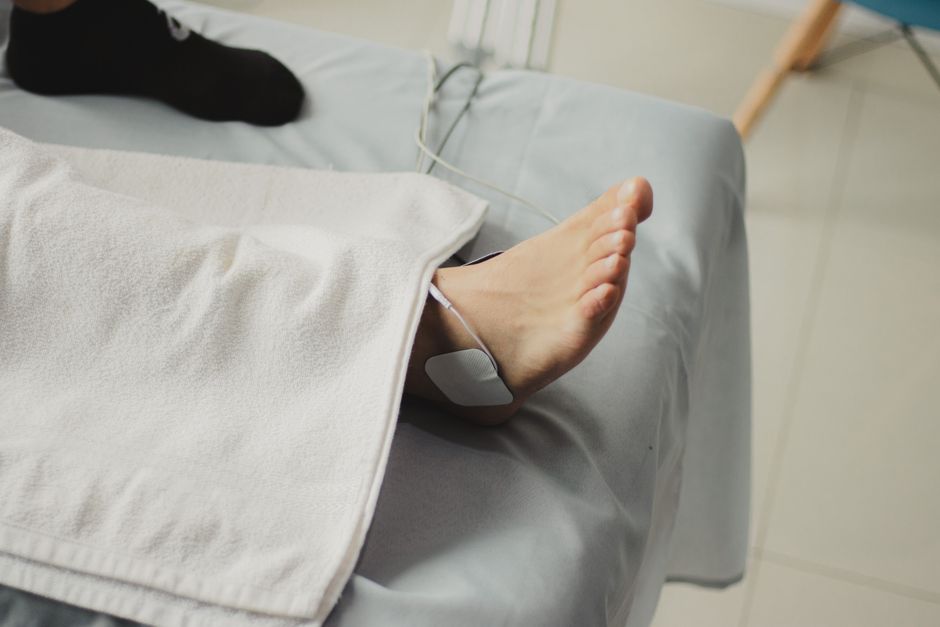
Far infrared therapy works by delivering a specific band of light energy that penetrates the skin and underlying tissues, where it is absorbed by cells and converted into gentle heat. This process stimulates blood flow, relaxes muscles, and triggers a range of cellular responses that support healing and recovery. Unlike ultraviolet light, which damages skin, far infrared is a form of thermal energy that the body experiences as soothing warmth.
What Is Far Infrared Therapy?
Far infrared (FIR) is a band of light on the electromagnetic spectrum. It sits between visible red light and microwave radiation. You cannot see it, but you can feel it as heat. The sun produces far infrared, and so does the human body, which emits it as part of normal metabolic activity.
Therapy devices use special emitters to deliver this wavelength in a concentrated form. You will find far infrared in saunas, heating pads, wraps, and handheld devices. The wavelength range typically falls between roughly 3 and 50 microns, with most therapeutic devices operating in the 3 to 15 micron range.
The key distinction from other heat therapies is penetration. Regular hot packs heat the surface of the skin. Far infrared penetrates deeper — roughly 1.5 to 3 centimeters into tissue — warming muscles, joints, and blood vessels directly.
How Does Far Infrared Energy Enter the Body?
Far infrared energy passes through the skin because it matches the vibrational frequency of water molecules in the body. When FIR photons hit water in your cells, they cause those molecules to vibrate. This vibration produces heat from within the tissues rather than from an external source.
This is why far infrared feels different from a hot bath or a heating pad. A hot bath transfers heat from outside in. Far infrared generates heat inside the tissue itself. That internal generation is what allows the energy to reach deeper structures without burning the skin surface.
The skin absorbs about 90% of far infrared radiation. The remaining portion reflects off the surface. Once absorbed, the energy disperses through the dermis and into subcutaneous tissue, where blood vessels and nerve endings reside.
How Far Infrared Therapy Works On The Body at the Cellular Level
At the cellular level, far infrared energy stimulates mitochondria — the energy-producing structures inside cells. Mitochondria respond to specific wavelengths of light by increasing production of adenosine triphosphate (ATP), the molecule that powers cellular activity.
More ATP means cells can perform their normal repair and maintenance functions more efficiently. This is not speculative. Research on photobiomodulation — the scientific term for light-based therapy — has consistently shown that certain wavelengths increase mitochondrial activity and promote cellular health.
Far infrared also promotes the release of nitric oxide from blood vessels. Nitric oxide is a signaling molecule that relaxes the inner muscles of arteries. When arteries widen, blood flow increases. More blood means more oxygen and nutrients delivered to tissues that need repair.
This combination — increased ATP production and improved circulation — is the foundation for most of the clinical benefits attributed to far infrared therapy.





What Happens to Blood Flow and Circulation?
The heat generated by far infrared causes blood vessels to dilate, a process called vasodilation. This is the body’s natural response to heat. Widened vessels increase blood flow to the treated area, which supports tissue healing and reduces pain from conditions like arthritis or muscle strain.
Studies using ultrasound and laser Doppler imaging have measured increased blood flow in the forearm and other tissues during far infrared exposure. The effect appears within minutes of treatment and can persist for a period after the session ends.
Improved circulation also supports the lymphatic system. The lymphatic system removes waste products from tissues. Enhanced blood flow and gentle heating encourage lymphatic movement, which may help reduce swelling and inflammation.
Does Far Infrared Therapy Reduce Pain and Inflammation?
Clinical evidence supports the use of far infrared for certain types of pain. A review of studies published in the journal Pain Research and Management found that far infrared therapy reduced pain intensity in patients with chronic conditions including osteoarthritis, rheumatoid arthritis, and chronic low back pain.
The anti-inflammatory effect appears related to reduced production of inflammatory markers. Heat stress from far infrared triggers the release of heat shock proteins, which help cells withstand stress and reduce inflammatory signaling.
For muscle soreness after exercise, far infrared saunas are a popular recovery tool. Some studies suggest that far infrared exposure accelerates recovery by increasing blood flow and reducing oxidative stress. The evidence is promising but not definitive. Results vary between studies, and the optimal duration and frequency of treatment have not been firmly established.
No clinical evidence currently confirms that far infrared therapy cures any disease. It is a supportive therapy that may reduce symptoms in certain conditions. It is not a replacement for medical treatment.
What Are the Practical Uses of Far Infrared Therapy?
Far infrared saunas are the most common application. These enclosed spaces use FIR emitters to heat the body directly rather than heating the air around you. Users typically sit for 15 to 30 minutes per session. The experience is similar to a traditional sauna but at lower ambient temperatures — usually 110-130°F compared to 150-190°F for traditional saunas.
Far infrared wraps and pads are used for localized treatment. People apply them to the lower back for chronic pain, to knees for arthritis discomfort, or to shoulders for muscle tension. These devices are widely available and can be used at home.
Some physical therapy clinics incorporate far infrared into treatment plans for joint stiffness and soft tissue injuries. The heat helps relax muscles before stretching or exercise, making movement less painful.
Far infrared is also used in dermatology for certain skin conditions. Some research indicates it may support wound healing and improve skin elasticity. The evidence here is more limited, and results vary considerably between studies.
Who Should Be Cautious With Far Infrared Therapy?
Far infrared therapy is generally considered safe for healthy adults. The main risk is overheating or dehydration, particularly with sauna use. Drink water before and after sessions, and limit exposure if you feel dizzy or lightheaded.
People with heart conditions, uncontrolled high blood pressure, or a history of heat intolerance should consult a physician before using far infrared saunas. The cardiovascular system responds to heat stress, and this response can be dangerous in certain conditions.
Pregnant women should avoid whole-body far infrared saunas. No clinical guidelines support their use during pregnancy, and the risk of overheating poses potential harm to the developing fetus. Localized pads on a limb are a different matter, but even these warrant a conversation with a healthcare provider.
People taking medications that affect sweating, such as anticholinergics, should be cautious. Reduced sweating impairs the body’s cooling mechanism, increasing the risk of overheating.
What Does the Evidence Not Support?
Marketing claims about far infrared therapy often outpace the science. No study has confirmed that far infrared therapy removes toxins from the body through sweating. The liver and kidneys perform detoxification. Sweat is primarily water, salt, and trace minerals — not a significant route for toxin elimination.
Claims that far infrared therapy boosts the immune system or prevents cancer are not supported by clinical evidence. Some preliminary research explores these areas, but no large human trials have confirmed such effects. Treat any product making these claims with skepticism.
Weight loss claims are similarly overstated. Far infrared saunas cause sweating, which produces temporary water weight loss. Any weight lost is regained when you rehydrate. The increased heart rate during sauna use burns slightly more calories than resting, but the effect is modest and not a meaningful weight loss strategy.
How Does Far Infrared Compare to Other Heat Therapies?
Traditional saunas heat the air, which then heats the body through convection. Far infrared saunas heat the body directly through radiation. Both raise core body temperature and induce sweating. The main difference is that far infrared achieves this at lower air temperatures, which some people find more comfortable.
Hot packs and heating pads provide superficial heat that penetrates only the outermost layers of skin. Far infrared penetrates deeper, potentially reaching muscles and joints more effectively. This makes it a distinct tool, not a replacement for other heat modalities.
Red light therapy is sometimes confused with far infrared. Red light uses visible wavelengths around 630-660 nanometers. Far infrared uses longer wavelengths around 700-1000 nanometers and beyond. Both affect mitochondria, but they are different treatments with different penetration depths and different clinical applications.
Some clinicians recommend combining far infrared with other therapies like stretching, physical therapy, or conventional pain management. No evidence suggests far infrared should replace standard medical care.
How Long Does It Take to See Results?
Some people notice immediate relief from muscle tension or joint stiffness after a single session. The heat relaxes muscles and improves circulation quickly. This acute effect is well documented.
For chronic conditions like arthritis or persistent back pain, results typically require multiple sessions over several weeks. Studies that show benefit for these conditions generally use treatment protocols of several sessions per week for four to eight weeks. The effect is gradual, and individual responses vary.
No reliable data establishes an optimal “dose” of far infrared therapy for any specific condition. Start with shorter sessions and gradually increase duration based on comfort. Pay attention to how your body responds rather than following a rigid schedule.
Frequently Asked Questions
Is far infrared therapy safe for daily use?
Far infrared therapy is generally safe for healthy adults when used as directed. Daily use is common, but stay hydrated and limit sessions to 15-30 minutes to avoid overheating.
Does far infrared therapy actually remove toxins?
No. The liver and kidneys handle detoxification, and sweating removes only trace amounts of waste. Claims that far infrared eliminates toxins through sweat are not supported by clinical evidence.
Can far infrared therapy help with arthritis pain?
Some studies suggest far infrared therapy reduces pain and stiffness in people with arthritis. The effect appears related to improved blood flow and reduced inflammation, but results vary between individuals.
What is the difference between far infrared and red light therapy?
Far infrared uses longer wavelengths that penetrate deeper and produce heat. Red light uses shorter visible wavelengths that work primarily at the skin surface. Both affect cellular energy production, but they are distinct treatments.
