
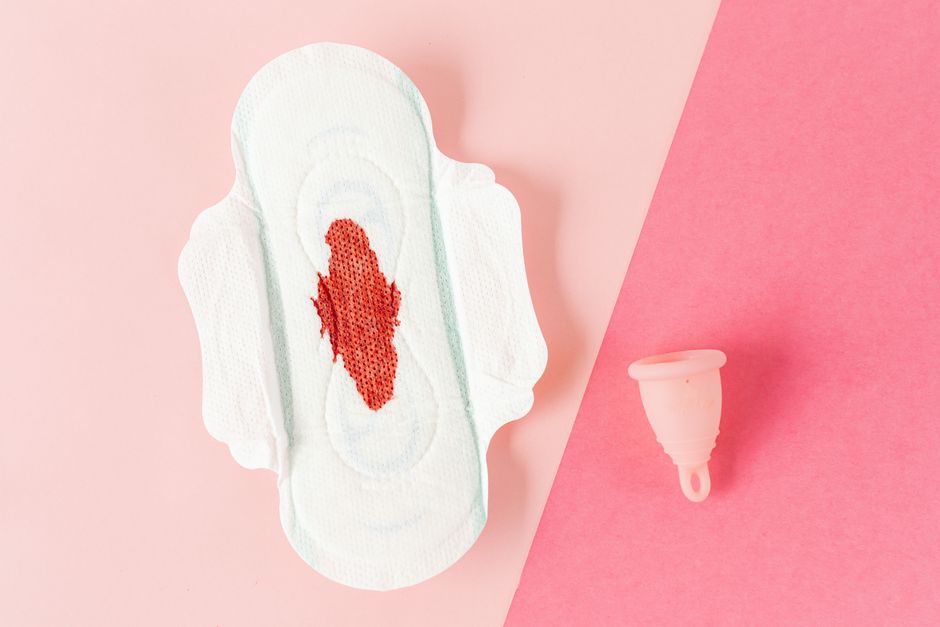
The menstrual cycle is a monthly sequence of hormonal changes that prepares the body for pregnancy. It is driven by a precise feedback loop between the brain, the pituitary gland, and the ovaries. The average cycle lasts about 28 days, but anything from 21 to 35 days is considered normal for adults. The cycle is divided into two main phases—the follicular phase and the luteal phase—separated by ovulation. Each phase is controlled by specific hormones: follicle-stimulating hormone (FSH), luteinizing hormone (LH), estrogen, and progesterone.
What Are the Main Phases of the Menstrual Cycle?
The menstrual cycle is typically described in four phases: menstruation, the follicular phase, ovulation, and the luteal phase. These phases do not have hard boundaries. They flow into one another as hormone levels rise and fall.
Menstruation is the shedding of the uterine lining. This is day one of the cycle. It happens when estrogen and progesterone levels drop sharply because no pregnancy occurred. The bleeding usually lasts 3 to 7 days.
The follicular phase runs from day one until ovulation. During this time, FSH stimulates several ovarian follicles to grow. Each follicle contains an egg. Usually only one follicle becomes dominant and matures fully. As the follicles grow, they produce increasing amounts of estrogen.
Ovulation is the release of a mature egg from the ovary. It happens around day 14 in a 28-day cycle. A surge in LH triggers the release. The egg travels into the fallopian tube, where it can be fertilized for about 12 to 24 hours.
The luteal phase follows ovulation and lasts about 14 days. The empty follicle transforms into the corpus luteum, which secretes progesterone. Progesterone thickens the uterine lining to support a possible pregnancy. If fertilization does not occur, the corpus luteum breaks down, hormone levels fall, and menstruation begins again.
How Does the Menstrual Cycle Work Phases Hormones?
The hormones do not act alone. They work in a coordinated loop called the hypothalamic-pituitary-ovarian axis. The hypothalamus releases gonadotropin-releasing hormone (GnRH). This signals the pituitary gland to release FSH and LH. Those two hormones act on the ovaries. The ovaries respond by producing estrogen and progesterone, which then send signals back to the brain to adjust FSH and LH production.
Early in the follicular phase, estrogen levels are low. This keeps FSH and LH levels moderate. As the dominant follicle grows, estrogen production rises sharply. High estrogen levels trigger a sudden spike in LH. This LH surge is what causes ovulation to occur about 24 to 36 hours later.
After ovulation, the corpus luteum produces progesterone and some estrogen. These hormones suppress FSH and LH release. If no pregnancy occurs, the corpus luteum degenerates after about 14 days. The drop in progesterone and estrogen removes the suppression, allowing FSH to rise again and start the next cycle.
This feedback loop is the entire engine of the cycle. Every phase and every symptom traces back to a change in these hormone levels.
What Happens to Hormone Levels During Each Phase?
Hormone levels follow a predictable pattern across the cycle. Understanding this pattern helps explain common symptoms like cramps, bloating, and breast tenderness.
- Follicular phase: FSH rises early to recruit follicles. Estrogen climbs steadily as the dominant follicle matures. Progesterone remains low.
- Ovulation: LH surges dramatically. Estrogen peaks just before the surge. FSH also rises briefly.
- Luteal phase: Progesterone rises sharply after ovulation. Estrogen rises moderately and then falls. FSH and LH stay low.
- Menstruation: Both estrogen and progesterone are at their lowest. FSH begins to rise again near the end of bleeding.
These patterns are well established in medical literature. Variations outside these ranges can indicate conditions like polycystic ovary syndrome (PCOS) or thyroid disorders, but a single cycle reading is rarely diagnostic. Clinicians typically look at patterns over several months.





How Long Does Each Phase Last?
Phase lengths vary from person to person and cycle to cycle. The follicular phase is the most variable. It can last anywhere from 11 to 21 days. This is why cycle length differs so much between individuals. The luteal phase is more consistent, usually lasting 12 to 14 days. A luteal phase shorter than 10 days may make it harder to conceive because the uterine lining does not have enough time to become fully supportive.
Ovulation itself is brief. The egg survives only 12 to 24 hours after release. Sperm, however, can survive inside the reproductive tract for up to 5 days. This is why the fertile window extends for several days before ovulation, not just on the day of ovulation itself.
Tracking cycle length over several months is the most reliable way for a person to understand their own pattern. Day one is always the first day of full flow, not spotting.
What Are the Common Symptoms in Each Phase?
Symptoms track hormone changes closely. Knowing which phase you are in can help explain why you feel a certain way.
During the follicular phase, estrogen rises. Many people feel more energetic and focused during this time. Mood is often stable. Some research suggests that cognitive performance may be slightly better in this phase, though the evidence is mixed and effects are small.
Around ovulation, some people feel a sharp twinge on one side of the lower abdomen. This is called mittelschmerz. It is caused by the follicle stretching and rupturing. Cervical mucus becomes clear and slippery, resembling raw egg white. This is a normal sign of fertility.
In the luteal phase, progesterone dominates. Progesterone has a warming effect on the body. Basal body temperature rises about 0.5 to 1 degree Fahrenheit after ovulation and stays elevated until menstruation. This is the basis for fertility awareness methods. Progesterone also causes breast tenderness, bloating, and mood changes in some people. These symptoms are part of premenstrual syndrome (PMS) when they are mild and resolve with menstruation.
Premenstrual dysphoric disorder (PMDD) is a more severe form. It involves significant mood disturbance that interferes with daily life. PMDD affects a smaller percentage of people who menstruate and requires clinical evaluation, not self-diagnosis.
What Can Disrupt a Normal Menstrual Cycle?
The cycle depends on a delicate balance of hormones. Several factors can disrupt it.
Stress is a major disruptor. High stress levels raise cortisol, which can suppress GnRH production. This can delay or stop ovulation. Chronic stress can lead to missed periods entirely.
Weight changes matter. Both significant weight loss and weight gain can alter hormone production. Fat tissue produces estrogen. Too little body fat can stop ovulation. Too much can cause irregular cycles. The exact thresholds vary by individual.
Thyroid disorders affect the cycle because thyroid hormones interact with reproductive hormones. Both overactive and underactive thyroid conditions can cause irregular bleeding.
Polycystic ovary syndrome (PCOS) is a common cause of irregular cycles. It involves elevated androgens and infrequent or absent ovulation. Cycles may be longer than 35 days or completely unpredictable.
Medications including hormonal contraceptives, can change bleeding patterns. Birth control pills work by suppressing ovulation and altering the uterine lining. Withdrawal bleeding during the placebo week is not a true menstrual period. It is a response to hormone withdrawal.
Perimenopause, the transition before menopause, also causes cycle changes. Cycles may become shorter, longer, or irregular as estrogen levels fluctuate. Menopause is defined as 12 consecutive months without a period.
When Should You See a Doctor About Your Cycle?
Most cycle variations are normal. Some patterns warrant a medical evaluation.
See a clinician if your periods stop for more than 90 days and you are not pregnant. Also seek care if periods are consistently shorter than 21 days or longer than 35 days. Bleeding that soaks through a pad or tampon every hour for several hours is heavy and should be evaluated. Bleeding between periods or after intercourse also needs assessment.
Severe pain that interferes with daily activities is not normal. While some cramping is common, pain that requires missing work or school may indicate conditions like endometriosis or fibroids. The evidence linking these conditions to specific cycle phases is well established, but diagnosis requires imaging and clinical evaluation.
Sudden changes in cycle pattern, especially after years of regularity, should be discussed with a doctor. This is particularly important for people over 35, where cycle changes can sometimes signal underlying health issues.
Frequently Asked Questions
What is the first day of the menstrual cycle?
Day one is the first day of full menstrual flow, not spotting. The cycle ends the day before the next period begins.
How do I know when I am ovulating?
Common signs include a change in cervical mucus to a clear, stretchy consistency and a slight rise in basal body temperature. Ovulation predictor kits that detect the LH surge are also reliable for timing.
Can stress really delay my period?
Yes. High stress raises cortisol, which can suppress the hormones that trigger ovulation. A delayed or missed period can occur even with moderate stress in some people.
Is a 35-day cycle normal?
Yes. Cycle lengths from 21 to 35 days are considered normal in adults. The key is consistency for your own body, not matching a 28-day average.
