
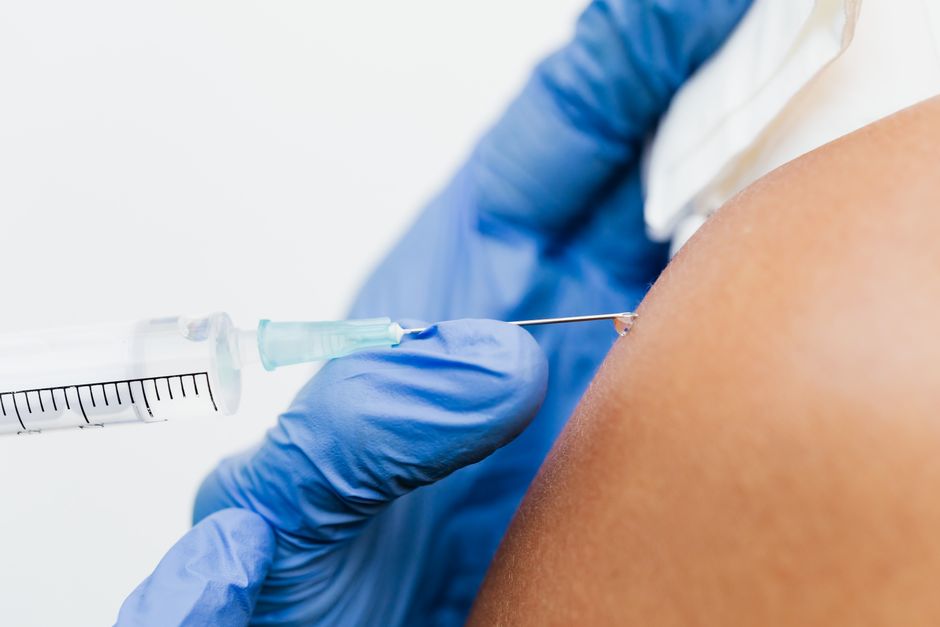
Testosterone injections do not work overnight. Most men notice the first changes in mood, energy, and libido within two to four weeks. Physical changes like muscle growth and body composition shifts take longer, usually three to six months of consistent treatment.
That timeline is a rough guide, not a promise. How fast a testosterone injection works depends on the formulation, the dose, how low your levels were to begin with, and how your body responds. Some men feel different within days. Others notice nothing for a month.
What follows is what the evidence actually shows about the timeline, broken down by what changes and when.
How Fast Does A Testosterone Injection Work Timeline?
The injection itself starts raising blood testosterone levels within hours. Testosterone cypionate and enanthate, the two most common forms in the United States, reach peak blood concentration roughly two to five days after a single intramuscular injection.
But blood levels and felt effects are two different things. A rising number on a lab report does not mean your body has adjusted to it yet. The body’s response to restored testosterone involves changes at the receptor level, in gene expression, and in feedback loops with other hormones. That takes time.
Here is the general pattern clinicians describe, based on how these medications are known to behave:
- Days 1 to 3: Blood levels climb. Most men feel nothing yet, or notice only subtle changes.
- Weeks 2 to 4: Many men report improved mood, energy, and sex drive.
- Months 1 to 3: Changes in body composition begin. Some men notice more energy for workouts and faster recovery.
- Months 3 to 6: Muscle mass and strength changes become measurable. Red blood cell counts may rise.
- Months 6 to 12: Bone density changes, if any, become detectable on imaging.
These ranges come from how the medication is known to act and from what clinical observation has shown. Individual results vary widely. A man with severely low testosterone may feel a dramatic shift. A man with borderline levels may feel very little.
One point that gets lost: the timeline depends heavily on the injection schedule. Testosterone cypionate and enanthate are typically given every one to two weeks. Levels rise and fall between doses. Some men feel the difference near the end of the cycle, when levels dip. Others do not notice.
What Changes First After a Testosterone Injection?
Mood, energy, and libido are usually the first things men notice. These are also the hardest to measure objectively.
Sex drive tends to respond faster than most other symptoms. Some men report a change within the first week or two. Energy and mood often follow in the same window. These effects are real but subjective. A placebo response is possible, especially early on, and some studies of testosterone treatment have found that men on placebo also report improvement.
Physical changes come later because they require the body to build something. Muscle protein synthesis, red blood cell production, and bone remodeling are all processes that take weeks to months to shift. No injection can speed those up beyond what the body can do.
Sleep quality and mental clarity are often mentioned by men in treatment. The evidence for these is weaker than for libido and energy. Some men notice clear improvement. Others do not.
Does the Type of Testosterone Injection Affect the Timeline?
Yes, and this is one of the more useful things to understand. Different formulations release testosterone at different rates.
| Formulation | Typical Dosing | Peak Levels |
|---|---|---|
| Testosterone cypionate | Every 1 to 2 weeks | 2 to 5 days after injection |
| Testosterone enanthate | Every 1 to 2 weeks | 2 to 5 days after injection |
| Testosterone undecanoate (injection) | Every 10 to 14 weeks | Slower rise, longer duration |
Testosterone undecanoate injections are given far less often. Levels rise more gradually and stay steadier between doses. That means the felt effects may take longer to appear, but the swings between doses are smaller.
Shorter-acting formulations can produce a noticeable peak and trough. Some men feel great right after an injection and sluggish just before the next one. This is a scheduling issue, not a failure of the treatment. A clinician can adjust the frequency or dose.
No formulation works faster than the body can respond. The differences between them are about steadiness, not speed.





Why Some Men Feel Nothing at First
Several things can explain a slow or absent response in the first weeks.
The dose may be too low. Testosterone dosing is not one-size-fits-all. A starting dose that works for one man may be insufficient for another. Dose adjustments are common in the first few months.
The injection technique or site can matter. Intramuscular injections need to reach the muscle. If the medication is injected into fat instead, absorption may differ. This is not usually a major issue, but it can affect how quickly levels rise.
Other health problems can mask the effects. Low testosterone often overlaps with depression, sleep apnea, thyroid problems, and anemia. Treating testosterone alone will not fix those. If a man has one of these conditions and does not address it, the testosterone may seem to do nothing.
Expectations also play a role. Testosterone is not a stimulant. It does not produce an immediate rush. Men who expect to feel different within hours are often disappointed.
When Should You Expect Lab Changes?
Blood levels change fast. A single injection can raise serum testosterone into the normal range within a day or two. That is why clinicians often check levels a few days after an injection, not weeks later.
Other lab values change more slowly. Hematocrit, which measures the percentage of red blood cells in the blood, can rise over months. This is a known effect of testosterone therapy and needs monitoring. Prostate-specific antigen (PSA) levels may also change, though the relationship is complex and still studied.
Lipid profiles can shift. Some men see a small drop in HDL cholesterol. The clinical significance of this is not fully clear.
These are reasons why testosterone treatment requires regular blood work. The timeline for lab changes is not the same as the timeline for felt changes.
What About the First Injection Itself?
The first injection is mostly a test of tolerance. Some men have a local reaction at the injection site, like soreness or a small bump. This usually fades within a few days.
Systemic effects from the first injection are usually mild or absent. The body has not yet adjusted. A few men report a headache or a temporary increase in energy. Most notice nothing.
The real question is not what happens after one injection. It is what happens after several weeks of consistent treatment. That is when the pattern becomes clear.
How Long Until Full Effects Are Seen?
Full effects, if they come, usually take six months to a year. That is the timeline for changes in muscle mass, bone density, and overall body composition.
Some effects may continue to develop beyond a year. Others plateau. The evidence does not support the idea that longer treatment always means more benefit.
It is also important to know that not every man gets every benefit. Testosterone therapy is most clearly effective for men with confirmed hypogonadism, meaning their bodies do not produce enough testosterone on their own. For men with borderline levels, the benefits are less certain.
This is not a treatment that works the same way for everyone. The timeline is a guide, not a guarantee.
Frequently Asked Questions
How long does it take for a testosterone injection to start working?
Blood levels rise within hours, but most men notice felt effects like improved mood or libido within two to four weeks. Physical changes take three to six months.
Can you feel testosterone injection immediately?
Most men do not feel anything immediately after an injection. A small number report a temporary energy shift, but this is not typical.
What should I expect after my first testosterone injection?
Expect little to no noticeable change in the first few days. Some soreness at the injection site is possible and usually fades quickly.
How often are testosterone injections given?
Testosterone cypionate and enanthate are typically given every one to two weeks. Testosterone undecanoate injections are given every 10 to 14 weeks.
