
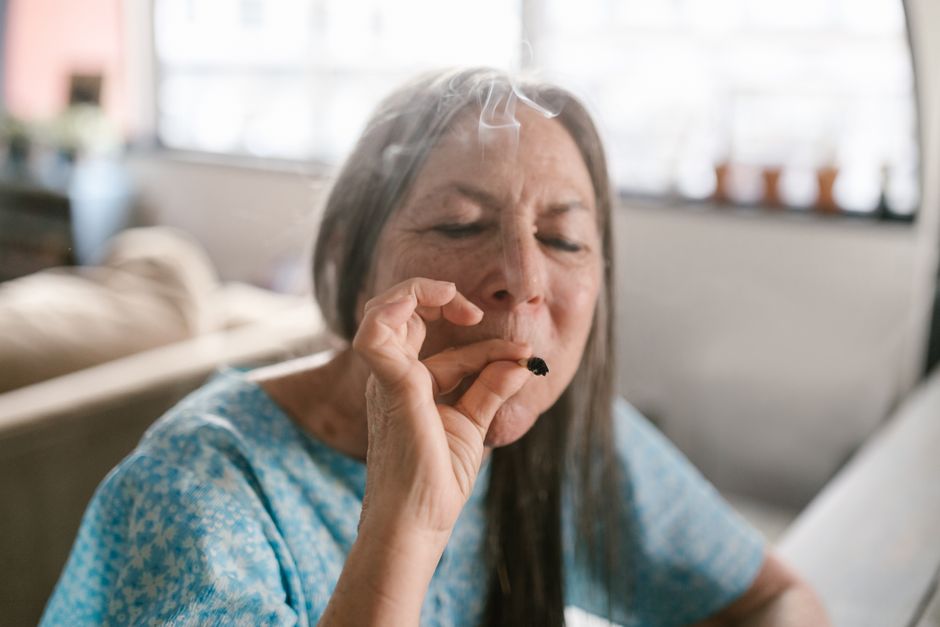
Smoking can cause a sharp pain in the back of your throat because the smoke directly irritates and inflames the delicate tissues lining your throat and vocal cords. The heat, combined with thousands of chemical irritants in the smoke, damages the surface cells, leading to swelling, dryness, and nerve irritation that can feel like a stabbing or burning sensation every time you swallow or breathe in.
What Exactly Happens to Your Throat When You Smoke?
Your throat is lined with a protective layer of cells called the mucosa. This layer is meant to stay moist and slippery. When you inhale cigarette smoke, you pull in air that is hotter and far more chemically concentrated than normal room air.
The smoke strips away the natural moisture from this lining. Once the protective mucus layer is dried out, the smoke chemicals hit the raw cells directly. This causes immediate inflammation. Inflamed tissue swells, and that swelling presses on nearby nerves, which your brain registers as pain.
This is not just a surface issue. The irritation triggers your body’s immune response. White blood cells rush to the area, increasing blood flow. That increased blood flow causes redness and swelling, which narrows the space in your throat. A narrower passage means every swallow becomes more painful, and the sensation can feel sharp and localized.
Why Does the Pain Feel Sharp and Not Just Sore?
A dull sore throat feels like general tenderness. A sharp pain feels like a needle or a knife on a specific spot. That difference matters. Sharp pain usually means nerve endings are being directly stimulated.
Smoke contains chemicals like acrolein and formaldehyde. These are not just irritants; they are toxic to the cells they touch. When these chemicals damage the outer layer of your throat, they expose the nerve endings underneath. Those nerves are not meant to be exposed to air, let alone smoke. When air passes over them, or when you swallow food, the nerves fire rapidly, producing a sharp, sudden pain.
Another cause of sharp pain is throat muscle spasms. The muscles in your throat react to irritation by tightening. A sudden spasm in the throat muscles can feel like a sharp, cramping pain in the back of the throat. This is a reflex response, not a sign of a muscle injury.
Can Smoking Cause Acid Reflux That Hurts Your Throat?
Yes, and this is a common link that many smokers do not realize. Smoking weakens the lower esophageal sphincter, the ring of muscle that keeps stomach acid inside your stomach. When this muscle relaxes too much, acid travels upward into your throat.
Stomach acid is highly corrosive. Your stomach lining is built to handle it, but your throat is not. When acid reaches the back of your throat, it burns the tissue. This is called laryngopharyngeal reflux, sometimes called silent reflux because many people do not experience classic heartburn.
This type of reflux often causes a sharp, stinging pain in the throat, especially in the morning. During the night, lying down makes it easier for acid to travel upward. If you smoke and wake up with a sharp throat pain that improves after drinking water, acid reflux may be a bigger factor than the direct smoke irritation itself.



Is the Sharp Pain a Sign of a Serious Condition?
Most of the time, sharp throat pain from smoking is acute inflammation. It will fade if you stop smoking and give your throat time to heal. However, persistent sharp pain that does not improve within a few weeks deserves medical attention.
Chronic smoking changes the cells in your throat over time. The constant irritation can lead to a condition called leukoplakia, which appears as white patches on the throat lining. These patches are not cancer themselves, but they are considered precancerous by many clinicians. They do not always cause pain, which is why regular checkups matter.
Smoking also increases your risk of throat cancer. According to the American Cancer Society, about 85 percent of head and neck cancers are linked to tobacco use. A sharp pain that lasts for more than three weeks, especially if accompanied by a hoarse voice, difficulty swallowing, or a lump in the neck, should be evaluated by a doctor promptly.
How Long Does It Take for Throat Pain to Go Away After Quitting?
If you stop smoking, the immediate inflammation usually begins to subside within a few days. The raw, exposed nerve endings start to be covered by new cells quickly. Most people notice significant improvement in sharp throat pain within one to two weeks of quitting.
Full healing takes longer. The cilia, tiny hair-like structures in your airways that move mucus up and out, are paralyzed by smoke. They begin to recover within a few weeks but can take several months to function normally again. During this recovery period, you may experience a cough or throat clearing as your body works to clear out the buildup from years of smoking.
If the pain was caused by acid reflux, quitting smoking helps that too, but it may take longer. The lower esophageal sphincter needs time to regain its strength. Some people find that reflux symptoms improve within a month of quitting, while others need to make additional dietary changes to see full relief.
What Can You Do to Soothe the Pain Right Now?
If you are still smoking and experiencing sharp throat pain, the most effective step is to stop. If you are not ready to quit, you can take measures to reduce the immediate discomfort. These are comfort measures, not cures.
Drinking warm fluids can help. Warm water with honey coats the throat and provides temporary relief. Staying hydrated throughout the day keeps the throat lining moist, which reduces the friction that triggers sharp pain. Avoiding caffeine and alcohol is important because both are dehydrating and can worsen the irritation.
Gargling with warm salt water can reduce swelling. Dissolve half a teaspoon of salt in a glass of warm water and gargle several times a day. This draws fluid out of inflamed tissues and can temporarily reduce the pressure on nerve endings. Do not swallow the salt water.
Using a humidifier in your bedroom adds moisture to the air. Dry air, especially in winter, further irritates an already damaged throat. Adding moisture helps the throat lining stay hydrated while you sleep.
Does Vaping Cause the Same Sharp Throat Pain?
Vaping can cause similar throat pain, but the mechanism is slightly different. E-cigarette vapor contains propylene glycol and vegetable glycerin, which are humectants. This means they draw moisture out of your throat tissues. A dry throat becomes irritated quickly, and repeated vaping can lead to a condition called vaper’s tongue or dry throat syndrome.
Some vaping liquids also contain flavoring chemicals that are known irritants. Cinnamon and citrus flavors are particularly known to cause throat irritation in some users. Nicotine itself is a vasoconstrictor, meaning it narrows blood vessels. Reduced blood flow slows the healing process, so any irritation that occurs takes longer to resolve.
The evidence on vaping and throat damage is still emerging. No long-term studies have yet established whether vaping causes the same chronic throat conditions as smoking. However, the short-term irritant effects are well documented, and many vapers report sharp throat pain similar to what smokers experience.
When Should You See a Doctor?
You should see a doctor if the sharp pain lasts longer than three weeks without improvement. You should also seek medical attention if the pain is severe enough to interfere with eating or drinking, or if you notice blood in your saliva.
Other warning signs include a persistent hoarse voice lasting more than two weeks, difficulty breathing, a feeling of a lump in your throat that does not go away, or pain that radiates to your ear. These symptoms can indicate a more serious condition that requires professional evaluation.
A doctor can examine your throat with a lighted scope and determine whether the pain is from simple inflammation, reflux, or something more concerning. If you smoke, be honest with your doctor about how much and how long you have smoked. This information helps them assess your risk accurately.
Does Quitting Smoking Eliminate the Risk of Throat Cancer?
Quitting smoking significantly reduces your risk, but it does not eliminate it entirely. The risk of throat cancer decreases over time after quitting. According to research, former smokers have a lower risk than current smokers, but their risk remains higher than people who never smoked for several years after quitting.
The cells that were damaged by years of smoking may have already undergone changes that do not fully reverse. This is why continued monitoring is important, even after you quit. If you have smoked for many years, regular checkups with your doctor are a prudent part of your health routine.
The good news is that the body is remarkably resilient. The longer you stay smoke-free, the more your risk drops. After 10 to 15 years of abstinence, the risk of throat cancer approaches that of a never-smoker, though it may not fully equal it.
Frequently Asked Questions
Can smoking cause a sharp pain only on one side of the throat?
Yes, smoking can cause pain on one side if the irritation is concentrated in a specific spot, such as a tonsil or a vocal cord. However, one-sided pain that persists should be evaluated by a doctor to rule out other causes.
Does drinking water while smoking prevent throat pain?
Drinking water during or after smoking helps moisten the throat and can reduce immediate discomfort, but it does not prevent the tissue damage caused by smoke chemicals. Water cannot undo the inflammatory response triggered by the smoke.
Is sharp throat pain from smoking a sign of an infection?
Not necessarily, but smoking makes you more vulnerable to infections. The smoke damages the protective lining, making it easier for viruses and bacteria to take hold. If you have a fever, swollen glands, or white patches on your tonsils, you may have an infection in addition to smoke irritation.
How long after quitting smoking will my throat feel normal?
Most people notice significant improvement in pain within two weeks of quitting. Full healing of the throat lining can take several months, especially if you smoked for many years. The cilia in your airways may take up to a year to fully recover.
