
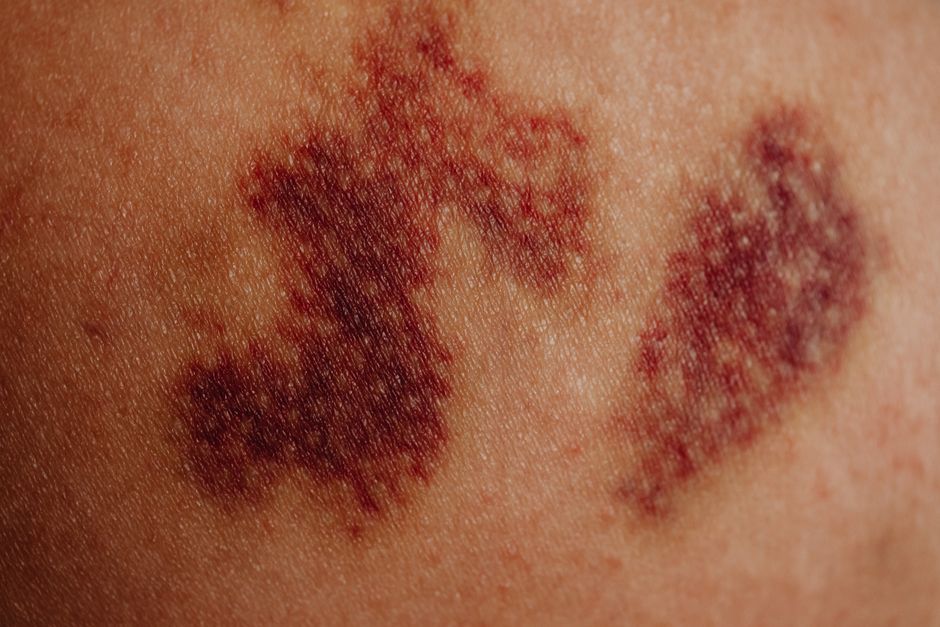
A scab hurts because the skin underneath is inflamed and the new tissue forming there is packed with sensitive nerve endings. The scab itself has no nerves. The pain comes from the raw, healing wound beneath it, and it often gets worse when the scab dries out, pulls tight, or cracks. Understanding what is actually happening under that crust makes it easier to ease the discomfort and leave the wound alone long enough to heal.
Why Do Scabs Hurt Causes And How To Ease Pain?
A scab is a temporary biological bandage. After skin is cut or scraped, blood vessels in the area constrict and platelets clump together to form a clot. That clot dries into the crust you see. Beneath it, the body is running a construction site.
Inflammation is the first phase of healing. The immune system sends blood flow, fluid, and repair cells to the wound. This process releases chemicals like prostaglandins and bradykinin that make local nerve endings more sensitive. That is why a fresh wound can throb even when you are not touching it.
The pain you feel is not the scab. It is the tissue under it. The dermis, the layer where new skin is being built, contains a dense network of nerve fibers. As healing cells multiply and new blood vessels form, the area stays tender. Any stretch, pressure, or pull on the surrounding skin tugs on those fibers.
This is why a scab can hurt more on day two or three than on day one. The inflammation peaks early, and the scab tightens as it dries. A tight scab pulls on the wound edges every time you move the nearby joint or flex the skin.
Why Does a Scab Hurt More When It Dries Out?
Dry scabs hurt more because they shrink and stiffen. As the clot loses water, it contracts. That contraction pulls on the healing tissue and the nerve endings embedded in it.
A dry scab also cracks easily. Each small crack reopens the surface slightly, which can trigger a fresh round of minor inflammation and stinging. This is one reason wound care guidance generally favors a moist healing environment over a hard, dry crust for wounds that need dressing.
There is a common belief that letting a wound “breathe” and form a tough scab is the best approach. For minor scrapes, a scab will usually form and heal fine on its own. But for larger or deeper wounds, keeping the surface slightly moist under a dressing tends to reduce pain and support faster healing. That is a general clinical direction, not a rule that applies to every small cut.
What Makes Scab Pain Worse?
Several everyday things increase discomfort while a scab is forming.
- Movement and stretching. Skin near a joint flexes constantly, tugging at a stiff scab.
- Picking or scratching. This pulls on the wound bed and can reopen it.
- Dry air. Low humidity speeds up scab drying and cracking.
- Hot water and harsh soap. These can irritate the healing tissue and strip protective oils.
- Sun exposure. Fresh healing skin is more sensitive to sunburn.
Temperature also matters. Cold air tightens skin, which can make a scab feel more rigid and painful. Warm, humid conditions tend to soften it.



How Can You Ease the Pain of a Scab?
The most reliable way to reduce scab pain is to protect the wound and keep it from drying into a hard, cracking crust. For minor wounds, gentle cleansing with mild soap and water is generally recommended. Pat the area dry rather than rubbing.
For wounds that are larger, on a joint, or prone to rubbing against clothing, a light dressing can help. A thin layer of petroleum jelly over a minor wound, followed by a bandage, is a widely used approach to keep the surface from drying out. This is common clinical practice rather than a strongly trial-tested recommendation for every wound.
Over-the-counter pain relievers can ease discomfort. Follow the label directions and check with a pharmacist or clinician if you take other medications or have health conditions. Do not apply alcohol, hydrogen peroxide, or iodine to a healing wound unless a clinician advises it. These can irritate tissue and slow healing.
Resist the urge to pick. Picking a scab reopens the wound, restarts part of the healing process, and raises the risk of infection and scarring. If a scab is itchy, a cool compress over the area can help calm the sensation without disturbing the crust.
Is It Normal for a Scab to Hurt as It Heals?
Mild soreness, itching, and tenderness are normal during healing. The sensation often peaks in the first few days and then gradually fades as inflammation settles and new skin forms.
Itching deserves a note. It is a normal part of healing and is thought to involve the same chemical signals and nerve sensitivity that drive pain. Itching is not a sign that something is wrong.
The timeline varies by wound size, location, and your general health. Small scrapes may crust over and heal within about a week. Deeper wounds take longer. Rather than fixating on a specific number of days, watch for whether the pain is improving over time.
When Should Scab Pain Worry You?
Some pain signals a problem rather than normal healing. Seek medical care if you notice any of the following.
- Pain that gets worse instead of better after the first few days
- Increasing redness, swelling, or warmth spreading from the wound
- Pus or cloudy fluid draining from the wound
- A red streak spreading away from the wound
- Fever or chills
- A wound that is deep, gaping, or will not close
- Numbness, or trouble moving the area normally
These can be signs of infection or another complication. They warrant prompt medical attention, especially if you have diabetes, a weakened immune system, or poor circulation. Those conditions can slow healing and raise infection risk.
Also get checked if the wound came from an animal bite, a dirty or rusty object, or a deep puncture. Tetanus vaccination status matters for certain wounds, and a clinician can advise you.
Does Picking a Scab Make It Hurt More?
Yes. Picking removes the protective crust and exposes the raw tissue beneath. That tissue is tender and easily irritated, so the area often stings or aches afterward.
Picking also interrupts healing. The body has to rebuild the clot and restart part of the repair process. Repeated picking is a common cause of scarring and can introduce bacteria, raising infection risk. Keeping the scab intact, or covering it so you are less tempted to touch it, is the simplest way to avoid this cycle.
Frequently Asked Questions
Why does a scab hurt when there are no nerves in it?
The scab itself has no nerve endings. The pain comes from the inflamed, healing tissue and sensitive nerve fibers directly beneath it.
How long does scab pain usually last?
Mild soreness and tenderness often ease within the first few days as inflammation settles. Healing time varies with wound size, depth, and location.
Should I keep a scab moist or let it dry out?
For minor wounds, a scab will usually heal fine on its own. For larger wounds or those on joints, keeping the surface slightly moist under a dressing is generally favored to reduce pain and support healing.
When should I see a doctor for a painful scab?
Get medical care if pain worsens, or if you see spreading redness, swelling, pus, a red streak, or fever. These can signal infection.
