
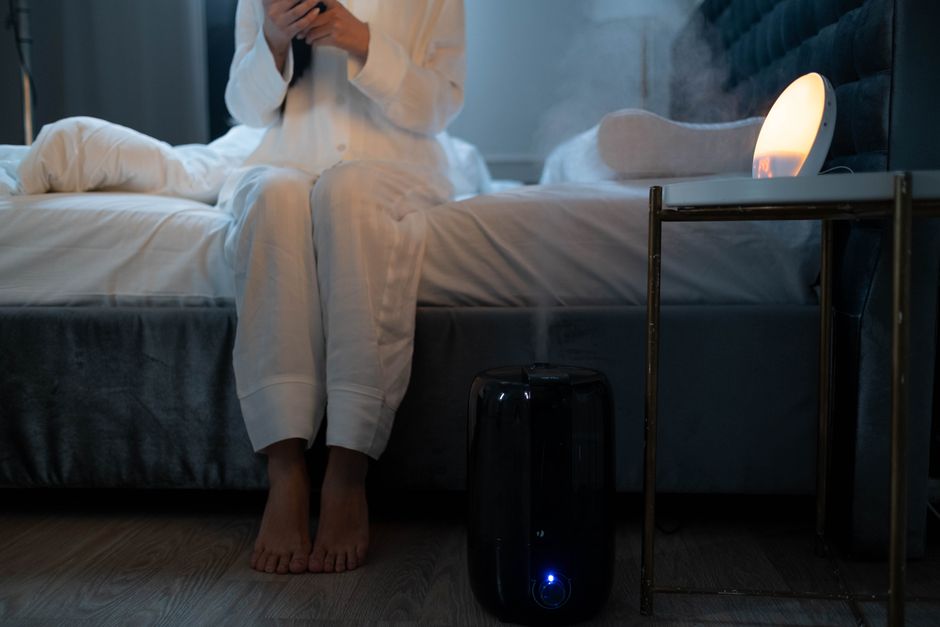
An ultrasonic humidifier uses high-frequency sound vibrations to turn water into a fine, cool mist that is released into the air. It is generally safe for most households when cleaned regularly and filled with distilled or demineralized water. The main risks are not from the technology itself, but from the type of water you use and how often you maintain the unit.
How Does An Ultrasonic Humidifier Work And Is It Safe?
Inside the base of the humidifier sits a small metal disc. This disc vibrates at an ultrasonic frequency—well above what human ears can hear. These vibrations are so fast that they break the water into microscopic droplets. A small fan then pushes these droplets out of the machine as a cool mist.
Unlike warm-mist humidifiers, which boil water to create steam, ultrasonic models do not use heat. This makes them more energy-efficient and removes the risk of burns from hot surfaces or steam. The technology is the same principle used in some medical nebulizers, which turn liquid medication into a breathable mist.
The safety question depends less on the vibration mechanism and more on what goes into the water tank. Tap water contains minerals like calcium and magnesium. When an ultrasonic humidifier atomizes tap water, those minerals are released into the air as fine white dust. This dust can settle on furniture and, more importantly, can be inhaled into the lungs.
What Are the Health Risks of Ultrasonic Humidifiers?
Research has linked ultrasonic humidifiers using hard tap water to increased levels of airborne minerals. Studies have found that these mineral particles can be small enough to reach the lower airways. For most healthy adults this is likely a minor irritant. For people with asthma, allergies, or chronic lung conditions, it can worsen symptoms.
A well-documented incident in Korea brought attention to this issue. Some humidifier disinfectants added to water tanks caused severe lung injury. This was not a problem with the humidifier itself, but with the chemical additives. It highlights a clear rule: never add anything other than water to your humidifier unless the manufacturer explicitly states it is safe.
The more common day-to-day risk is biological. A humidifier that sits with standing water becomes a breeding ground for mold, bacteria, and fungi. When the unit runs, it aerosolizes these microorganisms directly into your breathing air. This can trigger allergic reactions, asthma flares, and respiratory infections.
What Type of Water Should You Use?
Distilled water is the safest choice for an ultrasonic humidifier. The distillation process removes nearly all minerals, so nothing gets released into the air except pure water. Demineralized or purified water is a close second option.
Tap water is not recommended for ultrasonic models. Even if your tap water is safe to drink, it still contains dissolved minerals. The humidifier has no filter to catch these minerals. They go straight from the water tank into your room’s air.
Some manufacturers sell demineralization cartridges or filters designed for their specific models. These can reduce white dust buildup but they do not eliminate it completely. They also need regular replacement, which adds to the long-term cost of the unit.





How Often Should You Clean an Ultrasonic Humidifier?
Daily emptying and wiping is the standard recommendation. Do not let water sit in the tank between uses. Stagnant water is exactly what bacteria and mold need to multiply.
A deeper cleaning should happen every three days. Empty the tank and base completely. Use a soft brush or cloth to scrub away any film or scale. A mixture of water and white vinegar can help dissolve mineral deposits. Rinse thoroughly so no vinegar smell remains.
Once a week, or according to the manufacturer’s instructions, disinfect the unit. A diluted hydrogen peroxide solution works well. Never use bleach in a humidifier. Bleach fumes are dangerous to inhale, and residue can persist even after rinsing.
Always unplug the unit before cleaning. Never submerge the base in water, as this can damage the electrical components. Check the manufacturer’s manual for specific cleaning instructions for your model.
What Humidity Level Is Best for Your Home?
Indoor humidity should stay between 30 and 50 percent. The Environmental Protection Agency recommends keeping it below 60 percent to prevent mold growth, but the ideal comfort zone for most people is the lower range.
You can measure your home’s humidity with a simple device called a hygrometer. These are inexpensive and available at most hardware stores. Many modern humidifiers have a built-in humidistat that automatically shuts off when the target level is reached.
Running a humidifier in a room that is already humid does more harm than good. Excess moisture encourages dust mites, mold, and mildew. If you see condensation forming on your windows or walls, the humidity is too high. Turn the humidifier off and ventilate the room.
Who Should Be Cautious With Ultrasonic Humidifiers?
People with asthma or respiratory sensitivities should be particularly careful. Even with distilled water, the cool mist can carry allergens if the unit is not scrupulously clean. If you notice increased coughing, wheezing, or congestion after using the humidifier, stop using it and clean it thoroughly.
Parents of young children should use cool-mist humidifiers rather than warm-mist models. The risk of burns is eliminated with ultrasonic technology. However, the same cleaning rules apply. A dirty humidifier in a child’s room can spread mold spores into developing lungs.
People with compromised immune systems face the highest risk. For this group, any aerosolized contaminant is a potential infection source. Discuss humidifier use with your doctor if you have a chronic illness or are undergoing treatment that weakens your immune system.
How Does an Ultrasonic Humidifier Compare to Other Types?
There are three main types of home humidifiers. Each works differently and has its own trade-offs.
- Ultrasonic: Quiet, energy-efficient, and produces a cool mist. Requires distilled water and frequent cleaning to avoid mineral dust and microbial growth.
- Evaporative: Uses a wick filter and a fan to naturally evaporate water. Self-regulating because evaporation slows as humidity rises. Filters need regular replacement.
- Warm mist (steam vaporizer): Boils water to produce steam. Kills most microorganisms in the water, but uses more electricity and poses a burn hazard.
Evaporative humidifiers are often recommended for bedrooms because they are less likely to over-humidify a space. Ultrasonic models are quieter and use less power, making them popular for nurseries and offices. The choice comes down to your priorities: noise level, energy use, maintenance, or safety.
There is no clear winner across all categories. An ultrasonic humidifier is an excellent choice if you are willing to use distilled water and clean it on a strict schedule. If you prefer lower maintenance, an evaporative model might serve you better.
Can You Use Essential Oils in an Ultrasonic Humidifier?
Most manufacturers advise against it. Essential oils can degrade the plastic components inside the humidifier over time. The oils can also clog the ultrasonic disc, reducing performance and shortening the life of the unit.
The bigger concern is lung irritation. Essential oils are not water-soluble. When added to a humidifier, they do not dissolve properly. The ultrasonic vibrations can aerosolize oil particles in a way that irritates the airways. Some people experience coughing or breathing difficulty after inhaling these concentrated oil mists.
If you want to use essential oils for aromatherapy, purchase a dedicated essential oil diffuser. These devices are designed to handle oils safely. Do not risk damaging your humidifier or your lungs by mixing the two functions.
Frequently Asked Questions
Can ultrasonic humidifiers cause pneumonia?
A dirty ultrasonic humidifier can aerosolize bacteria and mold, which increases the risk of respiratory infections. Regular cleaning with distilled water nearly eliminates this risk.
Is it safe to use an ultrasonic humidifier every night?
Yes, if you monitor humidity levels and keep the unit clean. Keep indoor humidity between 30 and 50 percent to avoid over-humidifying the room.
Why does my ultrasonic humidifier leave white dust on furniture?
This is mineral dust from tap water. Switch to distilled or demineralized water to stop the white dust from forming.
How long can you leave water in an ultrasonic humidifier?
Empty and dry the tank daily. Do not leave standing water in the unit for more than a day, as bacteria and mold can begin growing within 24 to 48 hours.
