
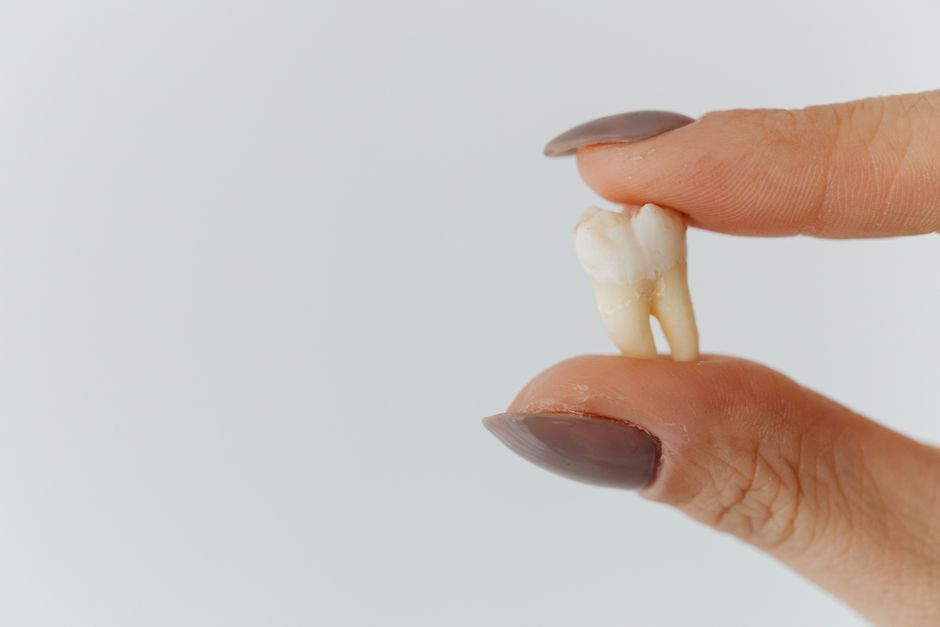
Tooth sensitivity is a sharp, sudden pain when your teeth meet something cold, hot, sweet, or acidic. The most effective treatment combines desensitizing toothpaste, gentle brushing habits, and addressing the root cause with your dentist when needed. For most people, relief starts within a few days of switching to a specialized toothpaste and correcting brushing technique, though persistent sensitivity requires professional evaluation to rule out cavities or gum disease.
What Actually Causes Tooth Sensitivity?
Sensitivity happens when the protective layers of your tooth wear down. Normally, enamel covers the crown of your tooth and cementum covers the root. Both layers protect the softer dentin underneath. Dentin contains microscopic tubules that lead straight to the nerve inside the tooth.
When enamel thins or gums recede, those tubules become exposed. Hot, cold, sweet, or acidic foods then trigger fluid movement inside the tubules. That movement stimulates the nerve and produces the familiar sharp pain.
The most common causes of exposed dentin are:
- Brushing too hard with a stiff brush
- Acid erosion from drinks like soda, citrus juice, or wine
- Gum recession from periodontal disease
- Cracked or chipped teeth
- Grinding your teeth at night
- Recent dental work like fillings or whitening
Understanding the cause matters because treatment differs. Sensitivity from aggressive brushing needs a technique change. Sensitivity from acid erosion needs dietary adjustment. Sensitivity from grinding needs a night guard. Treating the wrong cause wastes time and money.
How To Treat Tooth Sensitivity Tips That Work: The Daily Routine
Start with the simplest changes first. These are low-cost, low-risk, and effective for many people.
Switch to a desensitizing toothpaste. These toothpastes contain compounds like potassium nitrate or stannous fluoride. Potassium nitrate works by calming the nerve inside the tooth. Stannous fluoride physically blocks the open tubules in the dentin. Look for either active ingredient on the label. Use it consistently twice daily. Some people notice improvement within a few days, but full effect often takes two to four weeks of regular use.
Change your brushing technique. Many people scrub their teeth side-to-side with significant pressure. This wears down enamel at the gum line and pushes gums upward. Use a soft-bristled brush and small circular motions at a 45-degree angle to the gum line. Let the bristles do the work. You should not see bristles splay outward after a few weeks of use — that is a sign you are pressing too hard.
Wait before brushing after acidic foods or drinks. Acid temporarily softens enamel. Brushing immediately after removes that softened layer permanently. Rinse with water or plain milk instead, then wait at least 30 minutes before brushing. This single habit prevents significant enamel loss over time.
Use a fluoride mouth rinse. A daily fluoride rinse strengthens enamel and can reduce sensitivity. Swish for the time stated on the label, usually 30 to 60 seconds, then spit without rinsing with water. Do not eat or drink for 30 minutes afterward so the fluoride stays on your teeth.
Professional Treatments Your Dentist Can Provide
If at-home care does not resolve sensitivity within a few weeks, professional treatment is the next step. Your dentist can apply stronger treatments directly to the sensitive areas.
In-office fluoride varnish is a concentrated fluoride coating painted onto the teeth. It strengthens enamel and reduces pain. The effect can last several months before reapplication is needed.
Desensitizing agents containing resin or bonding materials can be painted onto exposed root surfaces. These physically seal the dentin tubules. The procedure is quick and painless, and relief is often immediate.
Dental bonding uses a tooth-colored resin to cover exposed roots. This is a more involved procedure but provides durable protection for significant recession areas.
If gum disease is causing recession, your dentist may recommend a deeper cleaning called scaling and root planing. This removes bacteria and tartar below the gum line, allowing gums to reattach where possible.
For severe cases where other treatments fail, a gum graft procedure can cover exposed roots with tissue from elsewhere in your mouth. This is a surgical option reserved for substantial recession with persistent pain.





When Sensitivity Signals a Bigger Problem
Not all tooth pain is sensitivity. Some pain indicates a cavity, a cracked tooth, or an infected nerve. These problems will not resolve with desensitizing toothpaste and require dental treatment.
See your dentist promptly if you experience:
- Pain that lingers for more than a few seconds after the trigger is removed
- Pain that occurs spontaneously without any trigger
- Pain localized to one specific tooth
- Swelling or tenderness in your gums
- Discoloration of a single tooth
The distinction between sensitivity and cavity pain matters. True sensitivity typically fades quickly once the stimulus is gone. Cavity or nerve pain often persists. A tooth that hurts when you release biting pressure, rather than when you bite down, may have a crack. These situations need a dental exam and likely an X-ray to diagnose properly.
Dietary Changes That Reduce Sensitivity
What you eat and drink directly affects your enamel. Acid is the main enemy. Every acidic exposure temporarily softens enamel, and frequent exposure prevents it from remineralizing between attacks.
Common acidic culprits include:
- Sodas, both regular and diet
- Sports drinks
- Fruit juices, especially citrus
- Wine and beer
- Coffee
- Tomato-based foods
- Pickled foods
You do not need to eliminate these entirely. The pattern of consumption matters more than the amount. Sipping an acidic drink throughout the day bathes your teeth in acid continuously. Drinking it with a meal in a shorter window gives your saliva time to neutralize the acid and repair the enamel.
Use a straw to bypass your teeth when drinking acidic beverages. Rinse your mouth with plain water afterward. Chew sugar-free gum to stimulate saliva flow, which naturally buffers acid and carries minerals back to your teeth.
Dairy products like milk and cheese contain calcium and phosphate that help remineralize enamel. Eating cheese after an acidic meal can help counteract the acid exposure.
Does Whitening Make Sensitivity Worse?
Yes, for some people. Tooth whitening products work by opening the pores of the enamel to reach deeper stains. This process temporarily increases fluid flow in the dentin tubules, which can trigger sensitivity.
Whitening sensitivity is usually temporary, resolving within a few days after treatment ends. Some studies suggest that using a desensitizing toothpaste containing potassium nitrate for two weeks before and during whitening reduces the intensity of this side effect.
If you whiten at home and experience significant pain, reduce the frequency of application. Extend the interval between whitening sessions rather than stopping cold. If pain persists beyond a week after your last whitening session, see your dentist to rule out other issues.
Professional whitening under dental supervision allows your dentist to adjust the concentration or application time based on your response. This is a safer option if you already have sensitive teeth.
Myths About Tooth Sensitivity That Waste Your Time
Several popular ideas about tooth sensitivity are not supported by evidence. Knowing what does not work prevents wasted effort and potential harm.
Myth: Activated charcoal toothpaste fixes sensitivity. Charcoal is abrasive. It can actually remove enamel over time, making sensitivity worse. No clinical evidence supports charcoal toothpaste for treating sensitivity.
Myth: Sensitivity means you need a harder toothbrush. The opposite is true. Hard brushes cause gum recession and enamel wear. Always use soft bristles.
Myth: Oil pulling cures sensitivity. Swishing coconut oil in your mouth does not block dentin tubules or remineralize enamel. Some people report less gum inflammation from oil pulling, but no evidence shows it treats sensitivity.
Myth: Sensitivity is just something you live with. This is false. Most sensitivity is treatable with the approaches described above. Persistent sensitivity that does not respond to desensitizing toothpaste and technique changes deserves a dental evaluation, not resignation.
Myth: All sensitivity toothpaste works the same. Products differ in active ingredients and concentration. If one brand does not help after several weeks, try a different active ingredient. Potassium nitrate and stannous fluoride work through different mechanisms, and some people respond better to one than the other.
When To Expect Results
Desensitizing toothpaste typically takes two to four weeks of twice-daily use to show full effect. Some people notice improvement sooner. Professional in-office treatments often provide immediate relief.
If you have used a desensitizing toothpaste consistently for four weeks and changed your brushing technique without improvement, the cause may be structural. A cavity, crack, or significant gum recession needs professional treatment. Continuing home remedies beyond this point delays proper care.
The good news is that most sensitivity resolves with the right approach. The key is matching the treatment to the cause. Enamel erosion from diet needs dietary changes. Gum recession from brushing needs technique changes. Nerve irritation needs desensitizing agents. Each cause has an effective solution, but only a dental exam can confirm which one applies to you.
Frequently Asked Questions
How long does desensitizing toothpaste take to work?
Most people notice improvement within a few days, but full effect typically takes two to four weeks of twice-daily use. If no improvement occurs after four weeks, see your dentist.
Can tooth sensitivity go away on its own?
Mild sensitivity from recent whitening or dental work often resolves within days to weeks. Sensitivity from enamel erosion or gum recession typically persists or worsens without treatment.
Is sensitivity a sign of a cavity?
Not always, but it can be. Sensitivity that lingers after the trigger is removed, affects one specific tooth, or occurs without any trigger suggests a cavity or cracked tooth that needs dental treatment.
Does warm salt water help sensitive teeth?
Salt water rinses can reduce gum inflammation, which may indirectly reduce sensitivity from gum disease. Salt water does not block dentin tubules or repair enamel, so it will not treat sensitivity from erosion or recession.
