
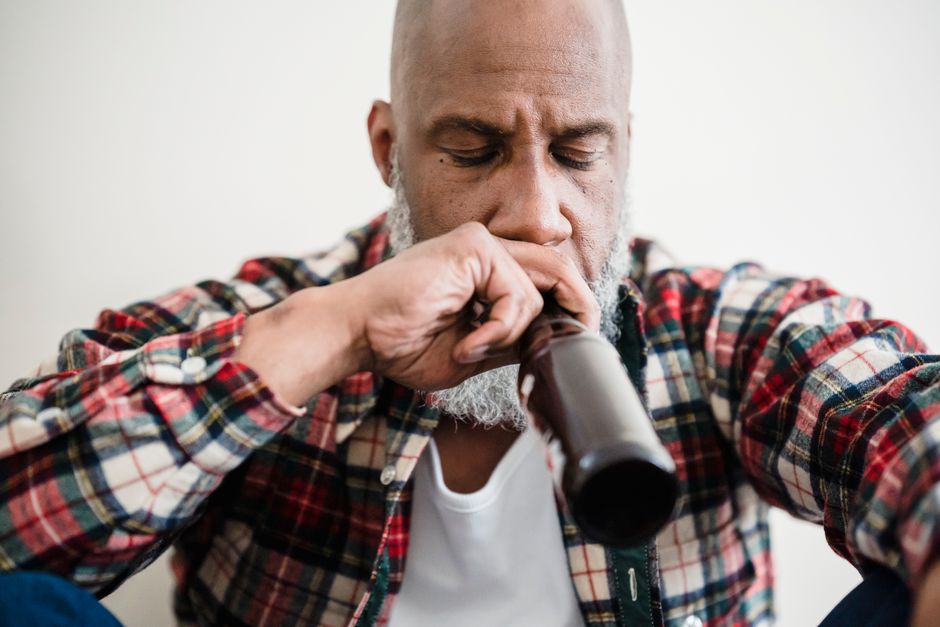
Alcohol changes behavior by altering brain chemistry, starting with the first drink. It slows down the central nervous system, which affects judgment, impulse control, coordination, and emotional regulation. These changes happen quickly, often within minutes, and become more pronounced as blood alcohol concentration rises.
The behavioral effects are not random. They follow a predictable pattern tied to how much alcohol is in the bloodstream. What many people do not realize is that alcohol does not create new behaviors. It reduces the brain’s ability to hold back existing impulses. The shy person becomes talkative. The anxious person becomes relaxed. The angry person becomes more confrontational. The alcohol does not invent these tendencies. It removes the brakes.
How Does Alcohol Change A Persons Behavior?
Alcohol changes behavior by suppressing the prefrontal cortex, the part of the brain responsible for decision-making and self-control. As blood alcohol concentration rises, this suppression deepens. Judgment erodes first. Impulse control follows. Emotional responses become exaggerated and harder to regulate.
At lower blood alcohol levels, most people feel more sociable and less inhibited. They talk more, laugh more, and take small risks they would normally avoid. This is why alcohol is so commonly used in social settings. The effect feels pleasant, but it is already a sign that the brain’s normal filtering system is slowing down.
As drinking continues, the effects shift. Reaction time slows. Coordination declines. Speech becomes slurred. Decision-making becomes noticeably impaired. At higher levels, memory formation is disrupted, which is why people sometimes wake up with gaps in their recollection of the night before.
Behavioral changes also depend on the person. Mood before drinking matters. Personality matters. Environment matters. A person who is already stressed may become more irritable or tearful. A person in a celebratory setting may become more outgoing. Alcohol amplifies the emotional state that is already present.
What Happens To The Brain When You Drink?
Alcohol primarily works by enhancing the effect of gamma-aminobutyric acid, or GABA, the brain’s main inhibitory neurotransmitter. GABA slows down nerve signals. When alcohol increases GABA activity, the entire brain operates at a slower pace. This produces the relaxed, sedated feeling associated with drinking.
At the same time, alcohol suppresses glutamate, an excitatory neurotransmitter. Glutamate keeps the brain alert and responsive. With less glutamate activity, mental sharpness drops. The combination of more GABA and less glutamate creates the overall depressant effect of alcohol on the brain.
Alcohol also triggers the release of dopamine in the brain’s reward center. This is why drinking feels rewarding and why people want another drink. The dopamine surge is part of the reason alcohol is addictive, but it is not the whole story. The behavioral changes come from the widespread slowing of brain activity, not just the reward signal.
The prefrontal cortex, which handles planning and restraint, is especially sensitive to alcohol. It is one of the first regions to show reduced activity after drinking. This explains why judgment declines before physical coordination does. The brain loses its ability to think ahead before it loses the ability to walk straight.
How Blood Alcohol Concentration Affects Behavior
Behavioral changes track closely with blood alcohol concentration, or BAC. At a BAC of 0.02 to 0.03 percent, most people feel relaxed and slightly euphoric. Judgment begins to soften, though most people do not notice it. Social behavior becomes warmer and more talkative.
At 0.05 to 0.06 percent, the effects become more visible. Coordination starts to decline. Reaction time lengthens. Judgment is noticeably impaired. Many people still believe they are driving fine at this level, but research consistently shows that driving performance is already compromised.
At 0.08 percent, which is the legal driving limit in all US states, behavioral impairment is clear. Balance is affected. Speech may be slightly slurred. Memory formation is beginning to weaken. Decision-making is poor. The person may not recognize how impaired they are, which is itself a symptom of the impairment.
At 0.10 to 0.15 percent, coordination problems become obvious. Walking in a straight line is difficult. Reaction time is significantly slower. Emotional swings are common. Some people become aggressive. Others become tearful or withdrawn. The specific emotional response depends on the person’s baseline mood and personality.
Above 0.15 percent, serious impairment sets in. Vomiting is common. The person may lose consciousness. Memory blackouts become likely. At 0.30 percent and higher, the risk of alcohol poisoning and death rises sharply because the brain begins to lose control over basic functions like breathing and heart rate.





Why Alcohol Makes Some People Aggressive
Alcohol does not make everyone aggressive, but it does increase the likelihood of aggression in certain people. The mechanism is tied to the prefrontal cortex. When this region is suppressed, the amygdala, which processes threat and emotion, has less top-down control. Small provocations that would normally be brushed off become triggers for anger.
Research consistently shows that alcohol intoxication is a factor in a significant portion of violent incidents, including assaults and domestic disputes. But alcohol alone does not cause violence. A person who is not prone to aggression rarely becomes violent just because they drank. Alcohol lowers the threshold for aggressive responses in people who already have that tendency.
Other factors matter too. Drinking quickly increases the risk of aggressive behavior more than slow drinking. Drinking in a hostile or stressful environment increases the risk. A personal history of aggression or impulse control problems also raises the likelihood that alcohol will trigger aggressive behavior.
How Alcohol Affects Memory And Judgment
Blackouts are one of the most concerning behavioral effects of alcohol. A blackout is not the same as passing out. A person in a blackout is awake and functioning but the brain is not forming new memories. They may hold conversations, drive, or make decisions, but later they have no memory of any of it.
Blackouts happen when blood alcohol concentration rises too quickly. Binge drinking, which is typically defined as consuming enough alcohol to reach a BAC of 0.08 percent or higher in about two hours, is the most common cause. The brain’s hippocampus, which is responsible for forming new memories, stops working properly at high alcohol levels.
Judgment impairment follows a similar pattern. The brain loses the ability to weigh consequences accurately. This is why people make decisions while drunk that they would never make sober. Unprotected sex, drunk driving, spending money recklessly, and saying hurtful things all fall into this category. The decision-making part of the brain is simply not functioning at full capacity.
Does Drinking Change Personality Long-Term?
Occasional drinking does not permanently change personality. Once the alcohol leaves the system, the brain returns to its normal state. The behavioral changes are temporary and tied to the presence of alcohol in the bloodstream.
Chronic heavy drinking is a different story. Years of alcohol misuse can cause lasting changes to brain structure and function. The prefrontal cortex can shrink. Memory centers can be damaged. This can produce persistent problems with impulse control, emotional regulation, and decision-making that do not fully reverse when a person stops drinking.
Some of this damage improves with abstinence. The brain has some capacity to recover, especially in the early stages of sobriety. But the degree of recovery depends on how long and how heavily the person drank. Long-term heavy drinking can leave permanent cognitive deficits that affect behavior for life.
It is also worth noting that alcohol use disorders themselves change behavior. The compulsive need to drink overrides other priorities. Relationships, work, and health all suffer. This is not the alcohol changing personality in a direct chemical sense. It is the addiction reorganizing a person’s priorities and behavior over time.
What Determines How Alcohol Affects You?
Several factors influence how alcohol changes behavior in any given person. Body weight and body composition matter because they affect how quickly alcohol is absorbed and distributed. People with more body water dilute alcohol more effectively, which means lower blood alcohol levels for the same amount of alcohol.
Sex is another factor. Women generally have less body water and lower levels of alcohol dehydrogenase, the enzyme that breaks down alcohol. This means women typically reach higher blood alcohol levels than men of the same weight after drinking the same amount.
Genetics play a role in how quickly alcohol is metabolized and how sensitive a person is to its effects. Some people have genetic variants that make them flush, nauseated, or dizzy after small amounts of alcohol. Others can drink more before showing visible effects.
Whether you have eaten recently is one of the most important factors. Food in the stomach slows alcohol absorption. Drinking on an empty stomach leads to faster absorption, higher peak blood alcohol levels, and more pronounced behavioral effects.
Medications also interact with alcohol. Many prescription drugs, including antidepressants, anti-anxiety medications, and sleep aids, amplify alcohol’s effects. Combining alcohol with these medications can produce severe impairment at doses that would normally cause only mild effects.
Frequently Asked Questions
Why do people act different when they drink alcohol?
Alcohol suppresses the prefrontal cortex, which controls judgment and impulse regulation. This makes it harder to hold back behaviors and emotions that are normally kept in check.
How long does it take for alcohol to change behavior?
Behavioral changes begin within 10 to 15 minutes of the first drink as alcohol enters the bloodstream. The effects peak about 30 to 90 minutes after drinking, depending on how fast the alcohol is consumed.
Can alcohol permanently change a person’s personality?
Occasional drinking does not cause permanent personality changes. Chronic heavy drinking can cause lasting brain damage that affects impulse control and emotional regulation, and some of these changes may not fully reverse with sobriety.
Why does alcohol make some people angry?
Alcohol reduces the brain’s ability to control emotional responses by suppressing the prefrontal cortex. In people who are already prone to anger or have poor impulse control, this can lower the threshold for aggressive behavior.
