
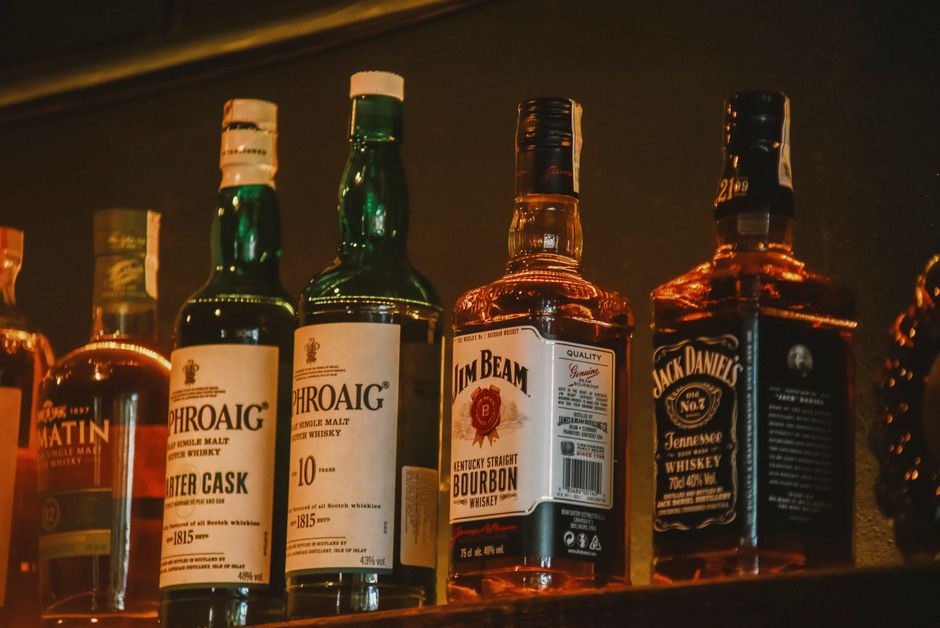
An alcohol spirit is a distilled alcoholic beverage made by heating a fermented liquid until alcohol vaporizes, then cooling that vapor back into liquid form. The result is a concentrated drink with far more alcohol by volume (ABV) than beer, wine, or hard cider. The word “spirit” comes from the Latin spiritus, meaning breath or vapor — a direct nod to the steam that carries the alcohol out of the mash.
That single process — distillation — separates spirits from every other kind of alcohol. Beer and wine are fermented, not distilled. Spirits are fermented first, then distilled. This is why a standard shot of vodka or whiskey contains roughly as much pure alcohol as an entire 12-ounce beer or a 5-ounce glass of wine, even though the serving is far smaller.
What Is an Alcohol Spirit?
A spirit is a drink produced through distillation that typically contains 20% to 95% alcohol by volume, depending on the type and how it is bottled. The core ingredients are a fermentable sugar source (grain, fruit, sugarcane, agave, or potato), yeast, and time. Fermentation creates a low-alcohol liquid. Distillation concentrates it.
Common spirits include vodka, whiskey, gin, rum, tequila, brandy, and liqueurs. What separates them is not the distillation method — it is the raw material and what happens afterward. Vodka is distilled to near purity and often filtered. Whiskey is distilled from grain and aged in wood. Rum comes from sugarcane. Tequila comes from agave. Brandy is distilled from fruit wine. The distillation process is broadly similar across all of them.
One distinction worth clearing up: “spirit” and “liquor” are used interchangeably in everyday speech, but “liquor” is the broader retail term. A spirit is specifically a distilled beverage. Liqueurs are spirits that have had sugar, flavorings, or both added after distillation, which usually lowers their alcohol content.
How Does Distillation Work?
Distillation works because alcohol boils at a lower temperature than water. Ethanol boils at about 173°F (78.3°C). Water boils at 212°F (100°C). Heat a fermented liquid to a temperature between those two points, and the alcohol turns to vapor first while much of the water stays behind.
That vapor is collected and cooled. It condenses back into a liquid with a much higher alcohol concentration than the original mash. In practice, most distillers run the process more than once. A single pass produces a rough, low-concentration spirit. A second or third pass raises the alcohol content and strips out more impurities.
The equipment is called a still. Pot stills work in batches and are common for whiskey, brandy, and some tequilas. Column stills run continuously and can produce very high-purity alcohol, which is typical for vodka and neutral grain spirits. Neither method is inherently better — they produce different flavor profiles.
What distillation does not do is remove all the other compounds in the liquid. Methanol, fusel alcohols, and various flavor molecules also vaporize to some degree. This is why distillers discard the “heads” (the first vapors off the still) and the “tails” (the last), keeping only the “heart” of the run. Those discarded portions contain higher concentrations of undesirable compounds.
How Much Alcohol Is in a Spirit Compared to Beer and Wine?
The difference is large. Beer is typically 4% to 6% ABV. Wine is usually 11% to 14% ABV. Spirits generally start around 20% ABV and go up from there, with many common products landing between 35% and 50% ABV.
This matters because a standard drink is defined by the amount of pure alcohol it contains, not the volume of liquid. In the United States, one standard drink contains about 0.6 fluid ounces of pure ethanol. That equals roughly 12 ounces of regular beer, 5 ounces of wine, or 1.5 ounces (a shot) of 80-proof distilled spirits.
| Beverage | Typical ABV | Standard Serving |
|---|---|---|
| Regular beer | 4–6% | 12 oz |
| Wine | 11–14% | 5 oz |
| Distilled spirits (80 proof) | 40% | 1.5 oz |
| Distilled spirits (100 proof) | 50% | 1.5 oz contains more than one standard drink |
“Proof” is simply double the ABV in the US system. An 80-proof spirit is 40% alcohol. A 100-proof spirit is 50%. This convention is an American one; other countries use ABV directly.
Because spirits are so concentrated, pouring by eye tends to overshoot a standard drink. A generous home pour of whiskey often lands closer to 2 or 3 ounces, which is more than one standard drink. This is one reason bar and restaurant measures exist — they keep servings consistent.



What Are the Main Types of Spirits?
Six categories cover most of what people drink. Each is defined by its base ingredient and production rules, not by brand.
- Vodka — distilled from grains, potatoes, or other starch sources, then filtered. Usually unaged and neutral in flavor. Typically 40% ABV.
- Whiskey — distilled from grain mash (barley, corn, rye, wheat) and aged in wooden casks. Includes bourbon, scotch, rye, and others, each with regional rules.
- Gin — a neutral spirit redistilled with juniper berries and other botanicals. Juniper is the defining ingredient.
- Rum — distilled from sugarcane juice or molasses. Can be white, gold, or dark depending on aging.
- Tequila and mezcal — distilled from agave. Tequila must be made from blue Weber agave in specific regions of Mexico.
- Brandy — distilled from fruit wine, most commonly grapes. Cognac and Armagnac are types of brandy with protected regional rules.
The legal definitions matter more than most people realize. Bourbon must be made from at least 51% corn and aged in new charred oak barrels. Scotch must be produced in Scotland and aged at least three years. These are regulatory requirements, not marketing terms.
Does Distillation Make a Spirit Safer Than Other Alcohol?
No. Distillation concentrates alcohol. It does not make a drink safer, and in some ways it raises risk because the alcohol is delivered in a smaller volume.
The health effects of ethanol are the same regardless of the source. The World Health Organization has stated that no level of alcohol consumption is safe for health, and that risk begins with the first drop. This is a shift from older framing that suggested light drinking might carry some benefit. More recent large-scale analyses have found that the apparent heart benefits of light drinking were likely overstated, and that any protective effect is small compared to the overall cancer and other risks.
Ethanol is classified as a Group 1 carcinogen by the International Agency for Research on Cancer, in the same category as tobacco and asbestos. This classification reflects strong evidence linking alcohol consumption to cancers of the mouth, throat, esophagus, liver, colon, and breast.
The concentrated nature of spirits creates specific practical risks. A shot of spirits hits the bloodstream faster than the same amount of alcohol in beer, because there is less liquid to slow absorption and no carbonation or food volume to blunt it. This is why drinking spirits on an empty stomach can impair someone quickly.
Distillation does remove some congeners — the compounds other than ethanol that form during fermentation. Whether this meaningfully reduces hangover severity is not well established. The evidence on congeners and hangovers is mixed, and the dominant factor in hangover is the total amount of alcohol consumed.
What Does “Proof” Mean on a Spirit Label?
In the United States, proof is exactly twice the alcohol by volume. An 80-proof bottle is 40% ABV. A 151-proof rum is 75.5% ABV. The term dates back to an old method of testing alcohol content by mixing it with gunpowder and seeing whether it would ignite.
Other countries use different systems. The UK historically used a proof scale where 100 degrees proof was about 57% ABV, but the UK now labels by ABV. The EU uses ABV exclusively. If you are comparing bottles across countries, ABV is the number to trust.
Higher proof does not mean higher quality. It means more alcohol per volume. A 40% ABV whiskey and a 46% ABV whiskey can both be excellent; the difference is concentration and often how much water the distiller added before bottling. Many distillers add water to bring the spirit down to a target ABV, and some bottle at “cask strength,” which means the natural strength straight from the barrel.
How Is a Spirit Different From Other Alcoholic Drinks?
The defining difference is distillation. Beer, wine, and cider are fermented and bottled without concentration. Their alcohol content is limited by how much sugar the yeast can ferment and how much alcohol the yeast can tolerate before it dies. That ceiling is usually around 15% to 20% ABV, which is why you rarely see a naturally fermented beverage above that.
Distillation removes that ceiling. By separating alcohol from water, distillers can reach concentrations that fermentation alone cannot produce. This is the single mechanical fact that defines the entire category.
A second difference is that spirits are usually consumed in mixed drinks or small measured pours, while beer and wine are consumed by the glass. This changes drinking patterns. A cocktail can contain one, two, or three standard drinks depending on the recipe, and it may not taste strongly of alcohol. That makes it easier to drink more than intended without noticing.
A third difference is aging. Wine and beer are typically consumed within a defined window. Many spirits are aged for years in wood, and the aging process changes flavor, color, and texture. Some spirits, like vodka and most white rum, are not aged at all, or are aged briefly and filtered to remove color.
Frequently Asked Questions
Is vodka a spirit?
Yes. Vodka is a distilled spirit, usually made from grains or potatoes and filtered to remove flavor. It is typically bottled at 40% ABV, which is 80 proof.
What is the strongest alcohol spirit?
Neutral grain spirits and some rums and absinthes can reach 75% to 95% ABV, though most commercial spirits are bottled between 35% and 50% ABV. Very high-proof spirits are typically used for mixing or as a base for other products, not drunk straight.
Does distillation remove alcohol?
No. Distillation concentrates alcohol. It separates ethanol from water and other compounds, producing a liquid with a higher alcohol content than the original fermented mash.
Is a spirit the same as a liqueur?
No. A liqueur is a spirit that has had sugar, flavorings, or both added after distillation, which usually lowers its alcohol content. All liqueurs contain a spirit base, but not all spirits are liqueurs.
