
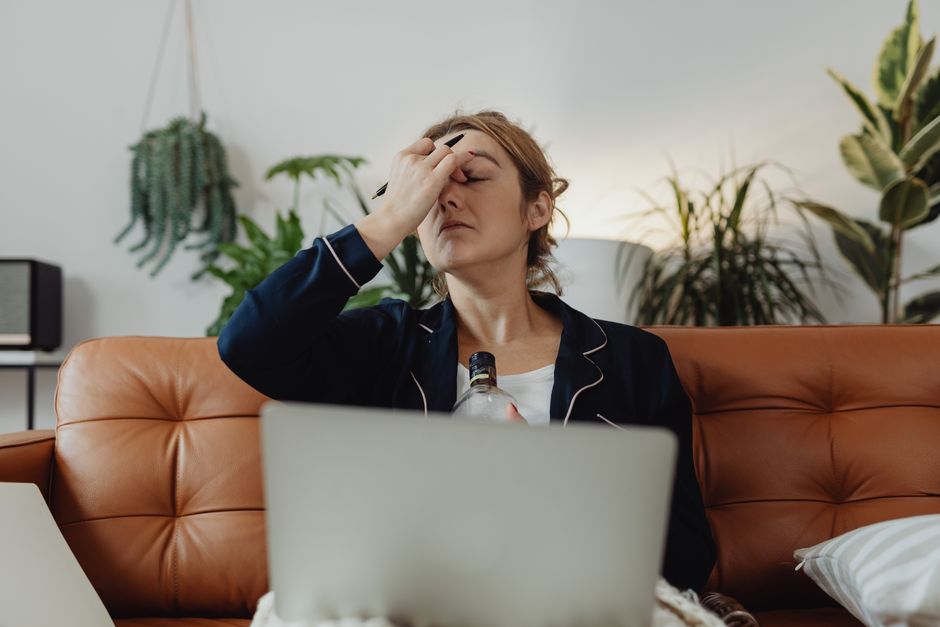
Alcohol hits a brain with ADHD differently than a brain without it. The core reason is dopamine, the chemical that drives reward, motivation, and attention. ADHD involves differences in how the brain manages dopamine signaling, and alcohol triggers a dopamine release. That overlap helps explain why drinking can feel unusually rewarding for some people with ADHD, and why the risks that follow are real.
The short answer: alcohol tends to produce a stronger reward response in some people with ADHD, it can briefly mask ADHD symptoms like restlessness and racing thoughts, and it makes those symptoms worse once it wears off. It also interacts with common ADHD medications and raises the odds of developing a drinking problem. None of that is a moral judgment. It is pharmacology.
Why Does Alcohol Affect People With ADHD Differently?
ADHD is not a shortage of willpower. It is a difference in how the brain handles dopamine and norepinephrine, two chemicals involved in attention, reward, and impulse control. Brain imaging research has repeatedly found differences in dopamine signaling in people with ADHD, particularly in pathways tied to reward and motivation.
Alcohol also acts on that reward system. Drinking causes dopamine to rise in the brain’s reward circuits. For someone whose baseline dopamine signaling is lower or less efficient, that surge can feel more noticeable and more rewarding than it does for other people.
There is a second layer. Alcohol is a central nervous system depressant. It slows brain activity, which can temporarily quiet the internal restlessness and rapid thought flow that many people with ADHD live with. That relief is real, and it is short-lived. As alcohol clears, the nervous system rebounds, and ADHD symptoms often return stronger than before. This is one reason drinking can become a loop: feel relief, lose it, drink again.
Impulsivity matters too. ADHD is associated with differences in impulse control, and impulsivity is one of the strongest predictors of early and heavy drinking across the general population.
What Does Alcohol Do To Someone With ADHD in the Short Term?
In the hours after drinking, the effects look like alcohol effects in anyone, but the starting point is different. Someone with ADHD may notice:
- Less internal restlessness and mental noise, which can feel like relief
- A stronger pull toward another drink, because the reward feels more pronounced
- More impulsive decisions, layered on top of alcohol’s own effect on judgment
- Worse working memory and focus than alcohol alone would typically cause
The relief people describe is not the same as improvement. Alcohol does not treat ADHD. It temporarily dampens symptoms by slowing the entire nervous system, the same way it slows everyone’s. When the alcohol wears off, the underlying ADHD is still there, and often feels louder.
Sleep is worth naming here. Alcohol can help people fall asleep faster, but it disrupts sleep quality later in the night. Poor sleep makes ADHD symptoms worse the next day. That is a cycle that builds on itself.
Does Alcohol Make ADHD Symptoms Worse?
Yes, over time and often in the short term as well. The relief is temporary, and the rebound works against you.
Regular drinking is linked to worse attention, worse sleep, and lower mood. For someone with ADHD, those are the exact areas already under strain. Alcohol also affects the prefrontal cortex, the part of the brain responsible for planning, focus, and impulse control. That is the same region already involved in ADHD. Drinking asks a system that is already working harder to work harder still.
Heavy drinking over years is associated with measurable changes in memory and thinking. The evidence for long-term cognitive harm from heavy alcohol use is well established. The evidence for harm from light or moderate drinking is more mixed and has become more contested in recent years, with some large analyses questioning earlier assumptions that light drinking is protective.
Can Alcohol Make ADHD Medication Less Effective?
It can, and the interaction depends on which medication. This is one of the most practical reasons to be careful, and one of the least discussed.
Stimulant medications like methylphenidate and amphetamine-based drugs are the most common treatment for ADHD. Alcohol and stimulants pull the body in opposite directions. Stimulants raise heart rate and blood pressure; alcohol affects the same systems. Mixing them can strain the heart and make it harder to judge how intoxicated you actually are.
There is a specific risk worth understanding. Because stimulants can make a person feel more alert, they can mask how much alcohol is in the bloodstream. Someone may feel less drunk than they are, drink more than they otherwise would, and put themselves in danger. This is a known concern and a reason clinicians advise caution.
Non-stimulant ADHD medications also interact with alcohol. Atomoxetine and bupropion are processed by the liver, and alcohol affects the same liver enzymes. Bupropion in particular lowers the seizure threshold, and heavy drinking does too. Combining them raises seizure risk. That interaction is documented and serious.
Anyone taking ADHD medication should talk to their prescriber about alcohol specifically. This is not a conversation to have with a search engine.
Does ADHD Raise the Risk of Alcohol Use Disorder?
The association is one of the most consistent findings in the research. People with ADHD are more likely to develop alcohol use problems than people without it, and the risk is not small.
Several factors drive it. Impulsivity makes it harder to stop at one drink. The dopamine reward from alcohol is more compelling. And the temporary relief from ADHD symptoms gives the brain a reason to come back. For some people, drinking becomes an unintentional form of self-medication, even when they never set out to use it that way.
Timing matters. ADHD often goes undiagnosed in childhood and adolescence, and undiagnosed or untreated ADHD is linked to higher rates of substance use. Getting an accurate diagnosis and effective treatment appears to reduce that risk, though the research on how much treatment lowers risk is still developing.
This is where an honest note belongs. Having ADHD does not mean someone will develop a drinking problem. It means the odds are higher, and knowing that is useful, not frightening.
What Should Someone With ADHD Know Before Drinking?
The most useful information is practical. Alcohol is not off-limits for everyone with ADHD, but the margin for error is thinner, and a few facts change how to think about it.
- Check medication interactions with your prescriber first. This is not optional.
- Watch for drinking that is tied to symptom relief. That pattern is a warning sign.
- Track how you feel the day after. Worse focus, worse mood, and worse sleep are signals.
- Be aware that stimulants can mask intoxication, which makes “I feel fine” unreliable.
- If drinking is already hard to control, that is worth mentioning to a doctor, not managing alone.
The relationship between ADHD and alcohol is not about weakness. It is about a brain that responds to alcohol in a specific way, and about knowing that so you can make decisions with clear eyes. If you take medication, the interaction question is the one to settle first. If you are drinking to feel calmer or more focused, that is worth raising with a clinician who understands ADHD.
Frequently Asked Questions
Does alcohol calm ADHD symptoms?
It can temporarily reduce feelings of restlessness and mental noise because alcohol slows the nervous system. That relief is short-lived, and symptoms often return worse once the alcohol wears off.
Can you drink alcohol while taking ADHD medication?
It depends on the medication, and the interaction can be serious. Stimulants can mask how intoxicated you are, and some non-stimulant medications raise seizure risk when combined with heavy drinking. Ask your prescriber before drinking.
Why do people with ADHD drink more?
Alcohol triggers dopamine release in the brain’s reward system, and ADHD involves differences in dopamine signaling, so the reward can feel stronger. Impulsivity and the temporary relief from symptoms also play a role.
Does ADHD make alcohol addiction more likely?
Research consistently shows that people with ADHD are more likely to develop alcohol use problems than those without it. Having ADHD does not guarantee a drinking problem, but it does raise the odds.
