
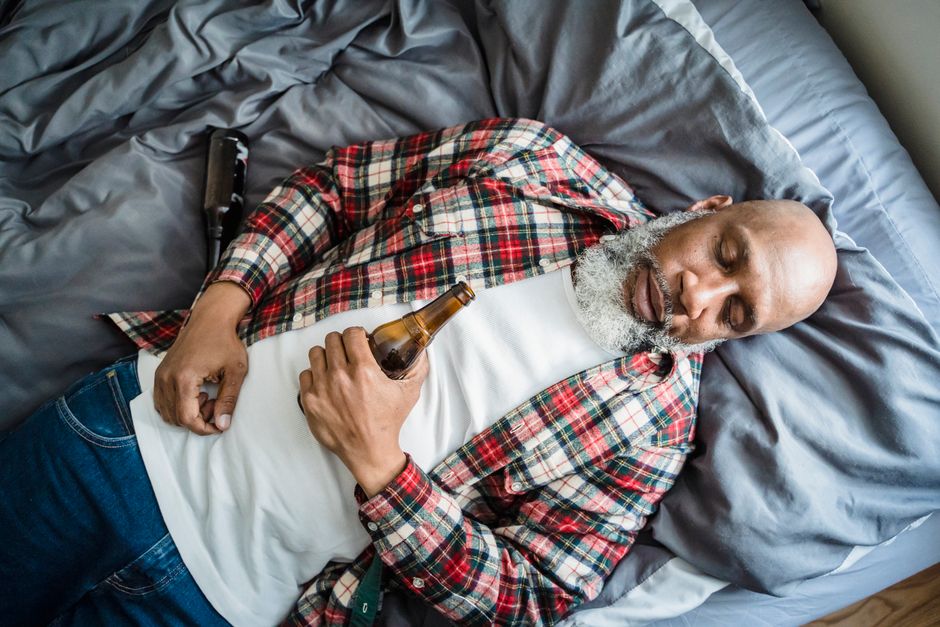
A glass of wine helps you fall asleep faster, but that does not mean it helps you sleep well. Alcohol changes the structure of your sleep, reduces its quality, and often causes you to wake up in the middle of the night. While it may feel like a sleep aid, alcohol is actually a sleep disruptor that leaves you more tired the next day.
How Does Alcohol Affect Sleep
Alcohol affects sleep in two main phases. First, it acts as a sedative. It slows down your brain activity, which is why you feel drowsy and fall asleep quickly. This is the reason many people believe alcohol helps them sleep.
But the second phase is the problem. As your body metabolizes the alcohol, the sedative effect wears off. This usually happens a few hours into the night. Your nervous system becomes more active, and your sleep becomes lighter and more fragmented. You may wake up briefly without remembering it, or you may wake up fully and struggle to get back to sleep.
The result is a night of sleep that feels less restorative. You get less deep sleep and less REM sleep, which are the stages your brain and body need most for recovery.
Why Does Alcohol Reduce Deep Sleep and REM Sleep?
Sleep happens in cycles. Each cycle includes light sleep, deep sleep, and REM sleep. Deep sleep is when your body repairs tissue and strengthens the immune system. REM sleep is when your brain processes emotions and consolidates memories.
Alcohol interferes with both of these stages. In the first half of the night, alcohol increases deep sleep. This sounds good, but it does not last. In the second half of the night, your body is busy breaking down the alcohol. This process, called metabolism, produces chemicals that stimulate your brain. These chemicals pull you out of deep sleep and into lighter stages.
REM sleep is especially affected. Alcohol suppresses REM sleep throughout the night. You get less of it, and the REM sleep you do get is often delayed or interrupted. Some research suggests that even moderate drinking reduces REM sleep by a significant amount. Over time, this can affect memory, mood, and focus.
How Much Alcohol Is Needed to Disrupt Sleep?
You do not need to be drunk to experience poor sleep. Even one drink can change your sleep architecture. The effects become more pronounced as the amount of alcohol increases.
Research indicates that moderate drinking, defined as one drink per day for women and up to two for men, still reduces sleep quality. Heavy drinking, which is more than three drinks in a day or more than seven per week for women, causes even greater disruption.
Binge drinking is the most damaging. Consuming four or more drinks in about two hours for women, or five or more for men, leads to significant sleep fragmentation. The body spends most of the night processing the alcohol, leaving little time for restorative sleep.
One important detail: the closer the drink is to bedtime, the worse the effect. Alcohol consumed within one hour of sleep has a stronger impact on sleep quality than alcohol consumed earlier in the evening.




Does Alcohol Make Sleep Apnea Worse?
Yes. Alcohol relaxes the muscles in your throat. This includes the muscles that keep your airway open while you sleep. When these muscles relax, your airway narrows, which can cause or worsen snoring and sleep apnea.
Sleep apnea is a condition where breathing repeatedly stops and starts during sleep. Alcohol increases the number and duration of these pauses. It also reduces your brain’s ability to wake up when your breathing stops, which makes the condition more dangerous.
For people who do not have sleep apnea, alcohol can still cause snoring. The throat muscles relax, the airway narrows, and you start to snore even if you never snore otherwise. This disrupts your sleep and your partner’s sleep.
If you have sleep apnea, it is best to avoid alcohol entirely, especially in the hours before bed. Even one drink can make your symptoms worse.
Why Do You Wake Up at 3 A.M. After Drinking?
Many people describe waking up at the same time in the middle of the night after drinking. This is not a coincidence. It is the result of your body metabolizing the alcohol.
When you drink, your blood alcohol level rises. As you sleep, your liver works to break down the alcohol. When your blood alcohol level drops, your body goes through a rebound effect. Your nervous system, which was suppressed by the alcohol, becomes more active. Your heart rate may increase. Your brain becomes more alert. This often pulls you out of sleep.
This effect commonly happens three to five hours after you fall asleep. If you had your last drink at 11 p.m., waking up around 3 a.m. is a typical pattern.
Alcohol also acts as a diuretic. It makes you urinate more, which means you may wake up because your bladder is full. Combined with the rebound effect, this makes middle-of-the-night waking very common after drinking.
Does Alcohol Affect Your Sleep the Next Day?
Yes. The effects of alcohol on sleep do not end when you wake up. Many people feel tired and groggy the next day, even if they slept for a full eight hours. This is because the sleep they got was poor quality.
Alcohol also affects your circadian rhythm, which is your internal body clock. It can delay the release of melatonin, the hormone that signals your body to sleep. This makes it harder to fall asleep at your usual time the next night.
Dehydration plays a role too. Alcohol causes fluid loss, which can lead to headaches, dry mouth, and fatigue the next morning. These symptoms add to the feeling of a bad night’s sleep.
Some research also suggests that alcohol affects your ability to concentrate and react quickly the next day, even after the alcohol has left your system. This is why the term “hangover” includes both physical and mental symptoms.
How Long Before Bed Should You Stop Drinking?
If you want to protect your sleep, the safest approach is to stop drinking at least three hours before bedtime. This gives your body time to metabolize some of the alcohol before you lie down.
Even better is to stop four to six hours before bed. This allows your blood alcohol level to drop significantly before sleep. Some experts suggest that for every drink you have, you need about two hours of no drinking before bed to minimize sleep disruption.
Another factor is caffeine. Many alcoholic drinks are mixed with caffeinated beverages like cola or energy drinks. Caffeine stays in your system for hours and can add to sleep disruption. If you drink mixed beverages, factor in the caffeine as well.
Water is important too. For every alcoholic drink, try to have a glass of water. This helps with dehydration and may reduce some of the next-day effects.
Are There Any Benefits of Alcohol for Sleep?
There is no evidence that alcohol provides any lasting benefit for sleep. It may help you fall asleep faster, but the overall quality of your sleep is worse. You trade a faster sleep onset for less deep sleep, less REM sleep, and more nighttime awakenings.
Some people use alcohol to manage insomnia. This is not recommended. Alcohol can create a cycle where you need it to fall asleep, but the sleep you get is poor. Over time, you may need more alcohol to get the same effect, and your sleep quality continues to decline.
If you have trouble falling asleep, there are better options. Consistent sleep schedules, a cool dark bedroom, and limiting screen time before bed are all supported by evidence. If you have chronic insomnia, talk to a healthcare provider rather than relying on alcohol.
Can You Reverse the Sleep Damage From Alcohol?
Yes. The negative effects of alcohol on sleep are largely reversible. When you stop drinking, your sleep architecture typically returns to normal within a few days to a few weeks.
Studies on people who stop drinking show that REM sleep and deep sleep improve relatively quickly. The exact timeline depends on how much you were drinking and for how long. For moderate drinkers, improvements may be noticeable within a week. For heavy drinkers, it may take longer.
The key is consistency. One alcohol-free night helps, but several nights in a row are needed to see significant improvement. If you drink regularly, consider having several alcohol-free days each week.
If you find it difficult to stop drinking, or if you experience withdrawal symptoms, seek professional help. Alcohol dependence is a medical condition, and treatment is available.
Frequently Asked Questions
Does one glass of wine ruin your sleep?
One glass of wine can reduce your sleep quality, even if you fall asleep quickly. It lowers REM sleep and can cause you to wake up during the night.
Why do I sleep better without alcohol?
Without alcohol, your sleep cycles are not disrupted by the sedative rebound effect. You get more deep sleep and REM sleep, which makes you feel more rested.
How many hours before bed should I stop drinking?
Stop drinking at least three hours before bed, and ideally four to six hours. This gives your body time to process the alcohol before you sleep.
Does alcohol cause insomnia?
Alcohol can cause or worsen insomnia over time. It disrupts sleep architecture and can create a cycle where you rely on alcohol to fall asleep but get poor sleep.
