
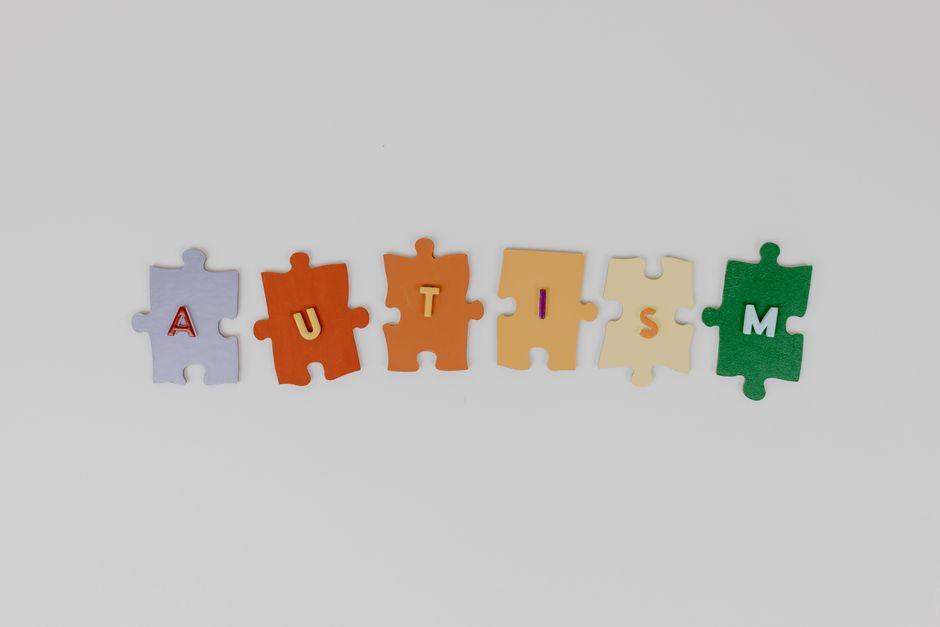
Autism spectrum disorder (ASD) is a neurodevelopmental condition that affects how a person communicates, interacts, and processes the world. It is not caused by a single event, a vaccine, or a parenting style. Instead, research shows autism develops from a combination of genetic factors and, in some cases, environmental influences that interact with those genetics before or shortly after birth. The cause is complex, but the evidence is clear: autism is a biological difference in brain development, not something a parent does wrong.
What Actually Causes Autism?
Autism is primarily a genetic condition. Studies have found that hundreds of different genes may be involved in autism. Some of these genes are inherited from parents. Others arise as new mutations that were not present in either parent’s DNA. These genetic variations affect how brain cells connect and communicate.
No single gene causes most cases of autism. Instead, many small genetic differences add up. In some children, a specific genetic syndrome like Fragile X syndrome or Rett syndrome is the clear cause. But these account for a small percentage of cases. For most children, the cause is a complex mix of many genetic factors.
Environmental factors do not cause autism on their own. They act on a child who is already genetically vulnerable. This is called gene-environment interaction. The environment does not create the risk from nothing. It may influence how existing genetic risk is expressed.
How Does A Kid Get Autism Causes And Risk Factors
The most established risk factor for autism is genetics. If one identical twin has autism, the other twin has a very high chance of having it too. Fraternal twins, who share fewer genes, have a much lower but still elevated rate of concordance. Siblings of a child with autism also have a higher risk than the general population.
Advanced parental age is another well-documented risk factor. Older fathers and, to a lesser extent, older mothers have a higher chance of having a child with autism. This is likely because sperm cells accumulate genetic mutations over time. The risk is real but still small in absolute terms. Most children born to older parents do not have autism.
Pregnancy and birth complications play a smaller but measurable role. Premature birth, low birth weight, and oxygen deprivation during birth have been associated with higher autism risk. These events do not cause autism in most cases. They appear to add stress to a developing brain that is already genetically predisposed.
What Does Not Cause Autism?
Vaccines do not cause autism. This has been studied extensively. Large studies involving millions of children have found no link between vaccines and autism. The original 1998 study that suggested a connection was retracted. Its author lost his medical license. The science is settled on this point.
Parenting style does not cause autism. The old “refrigerator mother” theory, which blamed cold and distant parenting, was wrong. It has been thoroughly debunked. Autism is a neurodevelopmental condition present from early brain development. It is not a reaction to how a child is raised.
Diet does not cause autism. Gluten, casein, sugar, and food additives have all been proposed as culprits. None of these claims have been supported by rigorous research. Some children with autism have digestive issues or food sensitivities, but these are separate medical conditions that can coexist. They are not the cause of autism.
Emotional trauma does not cause autism. A child who experiences neglect, abuse, or loss may develop behavioral or emotional difficulties. But these are not autism. Autism is present from very early development. It does not emerge later as a result of experience.




Is There a Single Cause or Many?
There is no single cause of autism. The term “autism spectrum” exists because the condition presents so differently across individuals. Some people with autism need significant daily support. Others live independently and hold jobs. This range of outcomes reflects a range of underlying biological causes.
Research has identified several genetic pathways involved in autism. Many relate to synapse function — the connections between brain cells. Others involve gene regulation, which controls how and when genes are turned on or off during brain development. These are not competing theories. They are different pieces of the same complex picture.
The current scientific model is that autism arises from a combination of genetic predisposition and early developmental factors. The genetic component is dominant. The environmental component is secondary and only matters in the presence of genetic risk. This model explains why autism runs in families but also why it can appear in families with no history of the condition.
How Early Can Autism Be Detected?
Autism can sometimes be detected as early as 12 to 18 months of age. Parents may notice that their child does not respond to their name, avoids eye contact, or does not babble or point by expected ages. These early signs are not always autism. They warrant evaluation, not panic.
Formal diagnosis is typically reliable by age 2. A developmental pediatrician or child psychologist can make a diagnosis using standardized tools. Earlier diagnosis leads to earlier intervention, which is associated with better outcomes. But a later diagnosis is not a lost opportunity. Many children benefit from support at any age.
It is important to note that some children appear to develop typically and then lose skills. This is called regression. It usually happens between 12 and 24 months. Regression is a recognized pattern in some forms of autism. It is not caused by anything the parents did. The cause is thought to be genetic and neurological, though the exact mechanism is not fully understood.
What Should Parents Know About Risk?
If you already have one child with autism, your risk of having another child with autism is higher than the general population. The exact number varies across studies, but the increased risk is real. A genetic counselor can help you understand your specific situation.
No prenatal test can determine whether a child will have autism. Genetic testing during pregnancy can identify some chromosomal abnormalities and known genetic syndromes. But most autism is not caused by a single detectable genetic change. A normal prenatal genetic test does not rule out autism.
Some research has examined whether prenatal vitamins, folic acid, or other supplements reduce autism risk. Some studies suggest a possible protective effect from folic acid taken before and during early pregnancy. The evidence is not strong enough to make specific recommendations beyond standard prenatal care. Folic acid is already recommended for all pregnant women to prevent neural tube defects.
There is no confirmed way to prevent autism. Because the primary cause is genetic, prevention is not currently possible. What is possible is early identification and early intervention. These improve communication, social skills, and quality of life for many children with autism.
Frequently Asked Questions
Can vaccines cause autism?
No. Large studies involving millions of children have found no link between vaccines and autism. The original study suggesting a connection was retracted for fraud.
Is autism caused by bad parenting?
No. Autism is a neurodevelopmental condition with a strong genetic basis. Parenting style does not cause autism.
Do genetics play a role in autism?
Yes. Genetics is the most significant known risk factor for autism. Hundreds of genes have been linked to the condition.
Can autism be detected before birth?
No. No prenatal test can determine whether a child will have autism. Most cases involve many genetic factors that are not detectable before birth.
