
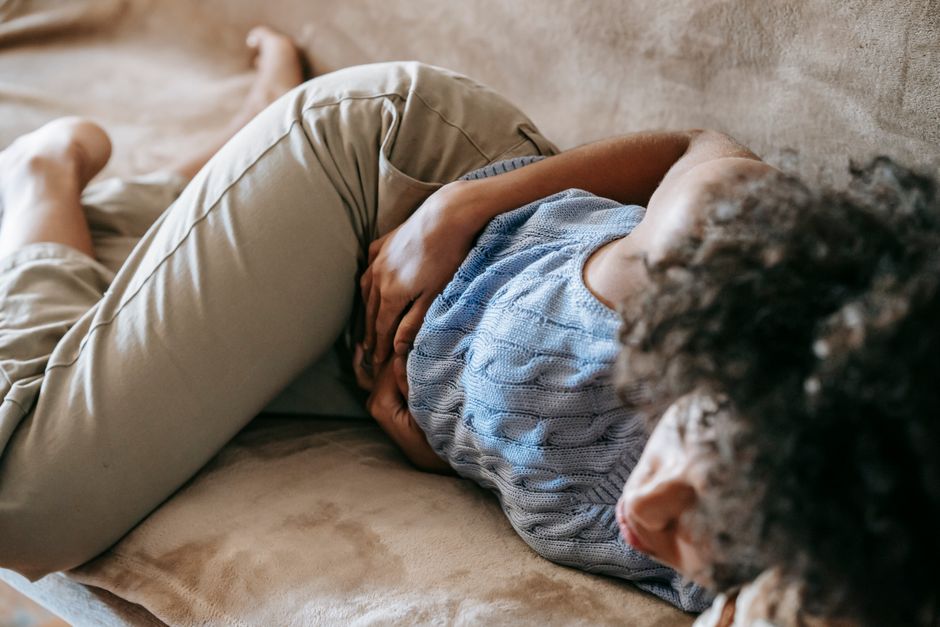
Muscle cramps happen when a muscle contracts hard and won’t relax. The fastest way to stop one is to stretch the cramped muscle and hold that stretch until the tightness releases, usually 15 to 30 seconds. For a calf cramp, straighten your leg and pull your toes toward your shin. For a foot cramp, press the sole flat and flex your toes upward. Most cramps ease within a few minutes once you stretch and gently massage the area.
Cramps are common and usually harmless. But the reason they happen, and what actually helps prevent them, is where most advice online gets fuzzy. This guide explains what cramps are, what the evidence says about causes, and which remedies rest on solid ground versus folklore.
What Actually Happens During a Muscle Cramp?
A cramp is a sudden, involuntary muscle contraction that you cannot consciously relax. The muscle fires, shortens, and stays locked in that shortened position, often for seconds to a few minutes.
The exact mechanism is not fully settled. What researchers do agree on is that the nerve signals controlling that muscle become overactive at the moment of the cramp. The muscle itself is not simply “out of salt” in most everyday cases, despite what a lot of popular advice implies.
Cramps most often hit the calf, foot, and thigh. They tend to strike at night, during or right after exercise, or when you hold a muscle in one position for a long time. The contraction can be visibly hard under the skin, and the area often stays sore for hours afterward.
Two broad categories matter for understanding treatment:
- Exercise-associated cramps — occur during or shortly after physical activity, often in hot conditions.
- Nocturnal cramps — occur at night, most commonly in older adults and during pregnancy.
These have overlapping causes but different triggers, and that shapes which remedies are worth trying.
How Do You Stop Cramps When One Hits?
Stretch the muscle in the direction opposite to the contraction. This is the single most reliable thing you can do in the moment.
Stretching works because it forces the overactive muscle to lengthen, which interrupts the contraction cycle. It is not a cure for the underlying cause, but it stops the acute episode in most cases.
Here is how to stretch the most common cramp sites:
- Calf: Sit or stand with the leg straight. Pull the toes and foot toward your shin until you feel the calf lengthen. Hold.
- Foot or toes: Press the sole of the foot flat against the floor or a wall and gently flex the toes up.
- Thigh (front): Stand, bend the knee, and pull your heel toward your buttock.
- Thigh (back): Sit with the leg straight and lean gently forward from the hips.
- Hand: Straighten the fingers and gently press them back.
Along with stretching, gentle massage and warmth can help the muscle relax. A warm shower or a heating pad on the area often eases the lingering tightness. Some people find that applying ice helps if the muscle is sore and inflamed after a hard workout.
Do not push a stretch to the point of pain. Firm, steady pressure works better than forcing it.
Does Drinking Water or Electrolytes Stop Cramps?
Hydration matters for overall muscle function, but the evidence that dehydration is the main cause of everyday cramps is weaker than most people assume.
The classic theory is that exercise cramps come from losing sodium and other electrolytes through sweat. This is a neat explanation, and it is widely repeated. But controlled studies have not consistently confirmed it. Some research has found that athletes who cramp do not reliably have different electrolyte levels than those who do not.
That does not mean fluids and electrolytes never help. In long, hot endurance events where large amounts of sweat are lost, replacing sodium can matter. For a typical gym session or a cramp that wakes you at 2 a.m., drinking a sports drink is unlikely to be the fix.
What the evidence more consistently points to is neuromuscular fatigue — the nerves and muscles becoming overworked and losing normal control. That is why stretching, which acts directly on the muscle and its nerve signaling, tends to work better than drinking something.
If you are exercising for a long time in the heat, staying hydrated is sensible for many reasons. Just do not expect it to be a reliable cramp cure.




Why Do Cramps Happen at Night?
Nocturnal cramps are most common in adults over 50 and during pregnancy. They often strike during sleep or when you first stretch on waking.
Several factors are linked to nighttime cramps, though the exact cause in any one person is often unclear:
- Holding a muscle in one position for a long time during sleep
- Muscle fatigue from the day’s activity
- Certain medications, including some diuretics and statins
- Nerve-related conditions
- Pregnancy, likely due to a mix of factors rather than one single cause
Stretching the calves before bed is one of the better-supported preventive measures for nighttime cramps. Some studies suggest it reduces how often they occur, though results vary and the effect is modest.
If cramps are frequent, severe, or come with muscle weakness, numbness, or swelling, that is worth a medical evaluation. Persistent cramps can sometimes signal an underlying issue such as a nerve problem, poor circulation, or a medication side effect.
What Helps Prevent Cramps?
Prevention depends on the type of cramp and the person. There is no single fix that works for everyone, and the evidence for most preventive measures is mixed.
What has reasonable support:
- Regular stretching, especially of the calves, particularly before bed for nighttime cramps.
- Warming up before exercise and pacing yourself to avoid sudden muscle overload.
- Building fitness gradually so muscles are not pushed past what they are conditioned for.
- Adjusting medications only with a doctor, if a drug appears to be the trigger.
What has weaker or mixed evidence:
- Electrolyte supplements for everyday cramps — helpful in some endurance settings, unclear otherwise.
- Magnesium — commonly recommended, but trials in older adults and athletes have generally not shown a clear benefit for cramps. It may help in pregnancy, where some evidence suggests a possible effect, though results are not consistent.
- Vitamin B complex and other supplements — sometimes suggested, not well supported by strong trials.
- Pickle juice and similar remedies — some small studies suggest a rapid effect, possibly through a nerve reflex rather than the ingredients themselves. The evidence is limited and the mechanism is not fully understood.
Quinine, once used for nighttime cramps, is no longer recommended for this purpose because of safety concerns. If a doctor has suggested it, that is a conversation to revisit.
When Should You See a Doctor About Cramps?
Occasional cramps are not a reason to worry. But some patterns deserve a medical look.
Talk to a doctor if cramps are:
- Very frequent or severe enough to disrupt sleep most nights
- Accompanied by muscle weakness, numbness, or a loss of muscle size
- Linked to swelling, color changes, or coldness in a limb
- Happening alongside other symptoms like dark urine after exercise
- Starting after a new medication
These signs can point to nerve, circulation, or metabolic problems that need proper evaluation. Cramps are usually benign, but they are sometimes the first clue to something else.
For most people, the practical approach is simple: stretch when a cramp hits, stretch regularly to reduce how often they come, and pay attention if the pattern changes.
Frequently Asked Questions
What is the fastest way to stop a cramp?
Stretch the cramped muscle in the opposite direction of the contraction and hold it for 15 to 30 seconds. For a calf cramp, straighten your leg and pull your toes toward your shin.
Does drinking water stop cramps?
Hydration supports muscle function, but the evidence that dehydration is the main cause of everyday cramps is weaker than commonly assumed. Fluids and electrolytes matter most during long, hot endurance activity.
Does magnesium help with cramps?
Trials in older adults and athletes have generally not shown a clear benefit for magnesium in preventing cramps. Some evidence suggests it may help in pregnancy, though results are not consistent.
Why do I get cramps at night?
Nocturnal cramps are most common in adults over 50 and during pregnancy, and are often linked to holding a muscle in one position or muscle fatigue. Stretching the calves before bed is one of the better-supported preventive steps.
