
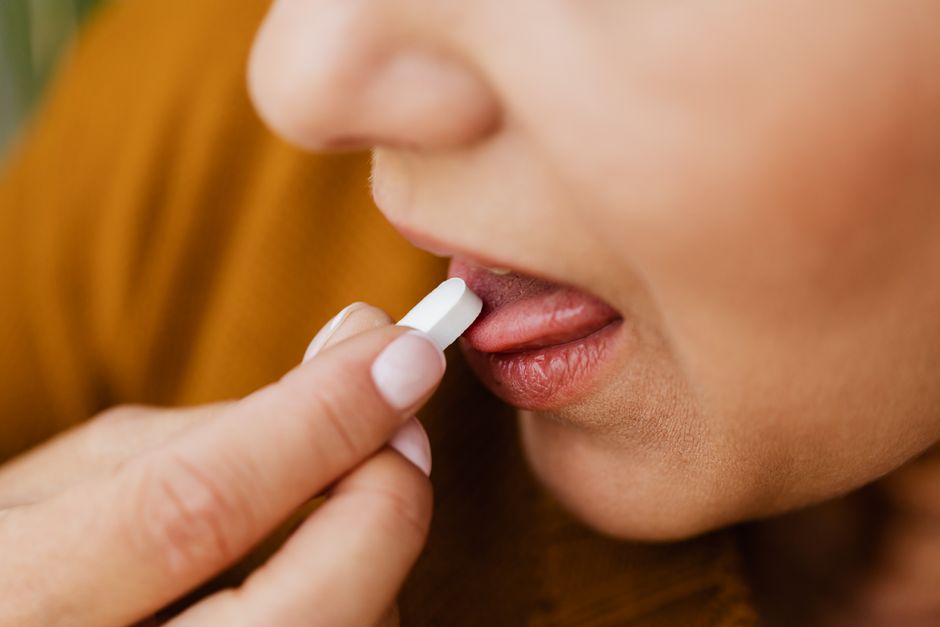
Stopping hydrochlorothiazide is not something you should do on your own. This blood pressure medication requires a careful, doctor-supervised plan to avoid dangerous side effects. Your doctor will likely taper your dose slowly while monitoring your blood pressure and checking for fluid buildup. Never stop cold turkey, as this can cause your blood pressure to spike suddenly.
Why You Should Never Stop Hydrochlorothiazide Suddenly
Hydrochlorothiazide is a diuretic, often called a water pill. It works by helping your kidneys remove extra salt and water from your body. This lowers blood volume, which in turn lowers blood pressure.
When you stop taking it abruptly, your body holds onto that salt and water again. Blood volume rises, and so does your blood pressure. For some people, this spike is mild. For others, it can reach dangerous levels quickly.
There is also a risk of heart failure flare-ups. If your heart was relying on the lower fluid volume to pump effectively, suddenly holding extra fluid can strain it. Doctors have seen patients land in the emergency room with dangerously high blood pressure or breathing problems from stopping diuretics on their own.
What Happens When You Stop Taking Hydrochlorothiazide
Your body adapts to this medication over time. The renin-angiotensin system, which regulates blood pressure and fluid balance, adjusts to the drug’s effects. When the drug disappears, that system reacts.
You may notice swelling in your ankles or legs within days. This is fluid retention. Your weight may go up a few pounds for the same reason. Headaches, dizziness, or a pounding feeling in your chest can also occur as blood pressure rises.
These symptoms are not imaginary. They reflect real physiological changes happening in your circulatory system. Your blood vessels are constricting more, and your heart is working against higher pressure.
Talk to Your Doctor Before Making Changes
There are legitimate reasons to stop taking hydrochlorothiazide. Some people develop low sodium levels, known as hyponatremia. Others experience low potassium, elevated blood sugar, or gout attacks. Kidney function can also decline in some patients.
But only your doctor can determine whether these issues are serious enough to stop the medication. Sometimes a lower dose solves the problem. Sometimes switching to a different blood pressure medication makes more sense than stopping entirely.
If you are stopping because your blood pressure has improved, that is good news. However, high blood pressure often requires lifelong management. Your doctor will want to confirm that your blood pressure stays in a healthy range without the medication before you stop permanently.




How Doctors Taper Hydrochlorothiazide Safely
There is no single standard taper schedule that fits everyone. Your doctor will create a plan based on your blood pressure readings, your kidney function, and your overall health.
A common approach is reducing the dose gradually over several weeks. For example, if you take 25 mg daily, your doctor might reduce it to 12.5 mg daily for two to four weeks. Then you might take it every other day for a period. Finally, you stop completely.
During this time, you will likely need to check your blood pressure at home. Your doctor may ask you to record readings daily and report back. This monitoring helps catch problems early before they become emergencies.
Some doctors recommend reducing salt intake during the taper. This helps your body adjust to holding onto less fluid. Staying well hydrated is also important, but you should follow your doctor’s specific fluid advice.
What to Watch For While Tapering Off
You should be alert for signs that your blood pressure is climbing too high. Common symptoms include headaches, especially in the morning, blurred vision, chest discomfort, or shortness of breath. Nosebleeds can also occur with elevated blood pressure.
Fluid retention is another warning sign. If your shoes feel tighter than usual, if you press your finger into your ankle and an indentation remains, or if you gain several pounds within a few days, tell your doctor.
Some people experience rebound hypertension. This means their blood pressure rises higher than it was before they ever started the medication. This can happen within days of stopping and is one reason abrupt discontinuation is so dangerous.
Keep a log of any symptoms and your blood pressure readings. Bring this information to your follow-up appointments. It helps your doctor decide whether to continue the taper, slow it down, or restart the medication.
Lifestyle Changes That Support Stopping the Medication
Your doctor will only consider stopping hydrochlorothiazide if your blood pressure is well controlled. Often, that control depends on lifestyle factors working alongside the medication.
If you have been managing your blood pressure with diet and exercise, you may be ready to reduce your medication. The DASH diet, which emphasizes fruits, vegetables, whole grains, and low-fat dairy, has strong evidence for lowering blood pressure. Reducing sodium to under 2,300 mg per day, and ideally under 1,500 mg, also helps.
Regular aerobic exercise, such as brisk walking for 30 minutes most days, can lower blood pressure by several points. Weight loss, if you are overweight, has one of the most powerful effects on blood pressure. Losing even 5 to 10 pounds can make a meaningful difference.
Limiting alcohol and managing stress are also important. None of these changes guarantee you can stop your medication, but they improve your chances.
What If You Miss a Dose or Want to Stop on Your Own
If you miss a single dose, take it as soon as you remember unless it is almost time for your next dose. Do not double up. Taking two doses at once can cause a sudden drop in blood pressure, dizziness, and dehydration.
If you have already stopped taking hydrochlorothiazide on your own, do not panic. But do contact your doctor as soon as possible. Check your blood pressure at home if you have a monitor. If your systolic reading is consistently above 180 mmHg, or if you have chest pain, severe headache, or trouble breathing, seek emergency care.
Your doctor may restart the medication and then taper it more slowly. This is not a failure. It is the safe way to manage a medication that affects your heart and blood vessels.
Can You Stop Hydrochlorothiazide for Weight Loss or Other Reasons
Some people misuse diuretics for weight loss. The weight lost is water weight only, not fat. It returns as soon as you drink fluids again. This practice is not safe and can lead to dehydration, electrolyte imbalances, and kidney damage.
Others want to stop because they feel the medication makes them urinate too frequently. This is a common side effect, especially in the first few weeks. For most people, this effect lessens over time. Taking the medication in the morning rather than at night can help reduce nighttime bathroom trips.
If the side effects are genuinely affecting your quality of life, talk to your doctor. There are alternative blood pressure medications with different side effect profiles. A calcium channel blocker or an ACE inhibitor may be a better fit for you.
Frequently Asked Questions
How long does it take to safely stop taking hydrochlorothiazide?
The taper usually takes two to six weeks depending on your dose and health status. Your doctor will adjust the timeline based on your blood pressure readings during the process.
What are the dangers of stopping hydrochlorothiazide cold turkey?
Stopping suddenly can cause a rapid rise in blood pressure, fluid retention, and heart strain. In severe cases, this can lead to a hypertensive crisis requiring emergency care.
Can I stop hydrochlorothiazide if my blood pressure is normal?
Only your doctor can make that determination. Normal readings while on the medication may mean the drug is working, not that you no longer need it.
What should I do if I already stopped taking hydrochlorothiazide?
Check your blood pressure at home and contact your doctor today. Seek emergency care if your systolic reading is above 180 mmHg or you have chest pain or trouble breathing.
