
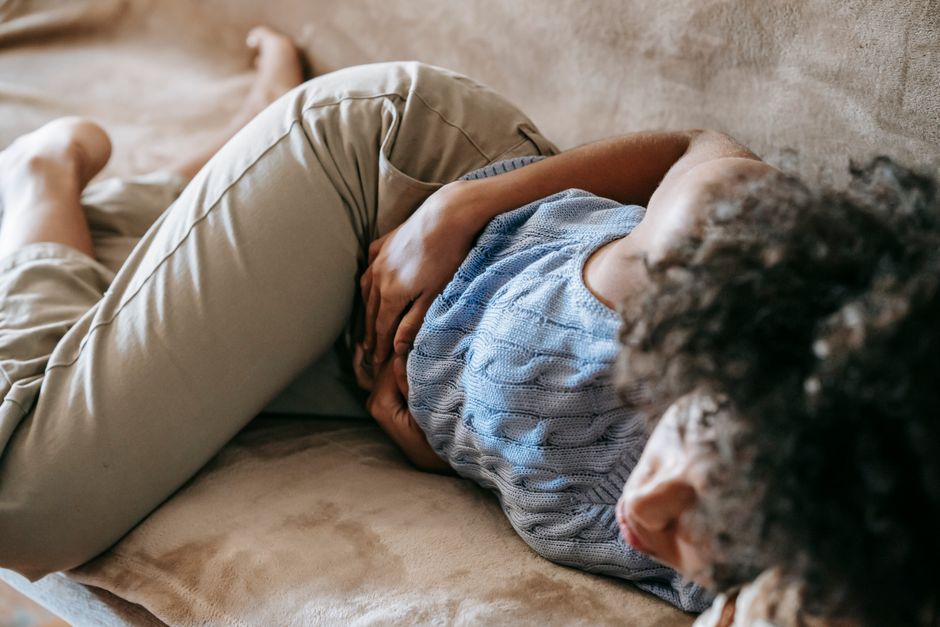
Menstrual cramps happen because the uterus contracts to shed its lining. The main driver is a group of hormone-like chemicals called prostaglandins. Higher prostaglandin levels cause stronger contractions, which squeeze blood vessels and briefly cut off oxygen to the uterine muscle. That lack of oxygen is what produces the pain. Most cramping is normal, but severe pain can point to an underlying condition like endometriosis or fibroids, so it is worth knowing the difference.
What Causes Menstrual Cramps Prostaglandins And More?
Prostaglandins are the primary cause of primary dysmenorrhea, the medical term for common menstrual cramps. These chemicals are produced in the uterine lining and rise sharply just before and during your period. They make the uterine muscle contract harder and more often than it does at other times of the month.
When the uterus contracts strongly, it compresses the blood vessels running through the muscle wall. This temporarily reduces blood flow and oxygen to the tissue. The brief oxygen shortage triggers pain signals. The same prostaglandins also increase sensitivity to pain, making the discomfort feel worse than it otherwise would.
People with more severe cramps tend to have higher prostaglandin levels in their menstrual fluid. This is why nonsteroidal anti-inflammatory drugs (NSAIDs) like ibuprofen and naproxen work well — they block the enzyme that produces prostaglandins. Lower prostaglandins mean weaker contractions and less pain.
What Other Factors Can Worsen Cramps?
Prostaglandins are the main cause, but they are not the whole story. Several other factors can raise your risk of more painful periods.
Age matters. Cramps are most common and most intense in adolescents and women in their twenties. Pain often improves with age and after childbirth, though researchers do not fully agree on why.
Heavy menstrual flow is linked to worse cramps. A heavier flow means more uterine lining to shed, which requires more contractions. Conditions that cause heavy bleeding, like fibroids or adenomyosis, often come with significant pain as well.
Smoking is consistently associated with more painful periods. The likely mechanism is that smoking reduces oxygen delivery to tissues and affects blood vessel tone. Even light smoking appears to increase cramp severity.
Family history plays a role. If your mother or sisters have severe cramps, you are more likely to as well. This may reflect inherited differences in prostaglandin production or in how your body processes pain.
When Are Cramps a Sign of Something Else?
Primary dysmenorrhea means the pain comes from normal uterine contractions with no underlying disease. Secondary dysmenorrhea means the pain is caused by a separate medical condition. The distinction matters because the treatments are different.
Endometriosis is the most common cause of secondary dysmenorrhea. In this condition, tissue similar to the uterine lining grows outside the uterus. This tissue responds to the menstrual cycle and bleeds each month, but the blood has nowhere to go. The resulting inflammation and scarring can cause severe pain that often starts before the period and continues after it ends.
Uterine fibroids are noncancerous growths in the uterine wall. Depending on their size and location, they can increase cramping and cause heavy bleeding. Adenomyosis, where the uterine lining grows into the muscular wall, also causes severe cramps and heavy periods.
Pelvic inflammatory disease (PID), usually from an untreated sexually transmitted infection, can cause pelvic pain that worsens during periods. An intrauterine device (IUD) can also increase cramping, especially in the first months after insertion.
See a doctor if your cramps do not respond to over-the-counter pain relievers, if the pain gets worse over time, or if it interferes with school, work, or daily activities. Also seek care if you have pain during sex, bleeding between periods, or unusually heavy bleeding.





What Actually Helps Relieve Cramps?
NSAIDs are the most reliable over-the-counter option. Ibuprofen and naproxen both block prostaglandin production directly. For best results, take them at the first sign of pain or before your period starts, not after the pain becomes severe. Follow the dosing instructions on the label and do not exceed the maximum daily dose.
Heat therapy works through a different mechanism. A heating pad or warm bath relaxes the uterine muscle and improves blood flow. Research has found that continuous low-level heat is comparable to ibuprofen for pain relief in some studies.
Exercise is often recommended, though the evidence is modest. Regular physical activity may reduce cramp severity by improving blood flow and releasing endorphins, which are natural pain relievers. Some studies support this; others show little effect. It is a low-risk option worth trying.
Dietary changes have some research support. Omega-3 fatty acids, found in fish oil, may reduce prostaglandin production. One study found that women taking omega-3 supplements had lower pain scores than those taking a placebo. Magnesium supplements have also shown benefit in some trials, though the evidence is not consistent enough for a firm recommendation.
For severe cramps that do not respond to these measures, hormonal birth control is a common and effective option. Combined oral contraceptives, the pill, patch, or ring, thin the uterine lining so there is less tissue to shed. This means fewer prostaglandins and weaker contractions. Progestin-only methods like the hormonal IUD work similarly.
What Does Not Work or Is Not Proven?
Several popular remedies lack solid evidence. This does not mean they are harmful, but do not expect reliable relief.
Acupuncture has mixed research results. Some trials show pain reduction; others find no difference from sham treatment. The evidence is not strong enough to recommend it as a primary treatment.
Vitamin B1 and vitamin E have been studied for cramps with some positive results, but the trials are small and not consistently replicated. No major medical organization currently recommends them as standard treatment.
Herbal supplements like chasteberry and cinnamon have some preliminary research, but the quality is low. No large human trials have confirmed their effectiveness for menstrual pain.
Avoid any product that promises a “cure” for cramps. Menstrual pain is a normal physiological process. It can be managed, but it is not a disease to be cured. If a supplement or device claims to eliminate cramps permanently, that claim is not supported by evidence.
When Should You See a Doctor?
Occasional cramps that respond to ibuprofen and a heating pad are normal. Pain that regularly keeps you home from work or school is not something to accept as normal.
Seek medical evaluation if you experience any of the following:
- Cramps that do not improve with NSAIDs
- Pain that gets progressively worse over several cycles
- Cramps that start more than a day before your period
- Pain that continues after your period ends
- Heavy bleeding that requires changing a pad or tampon every hour
- Pain during sex or between periods
- Nausea, vomiting, or fainting with your period
These symptoms can indicate endometriosis, fibroids, adenomyosis, or another condition that benefits from treatment. Early diagnosis matters. Endometriosis, for example, often takes years to diagnose, and that delay can lead to more extensive disease and chronic pain.
Frequently Asked Questions
How long do menstrual cramps usually last?
Cramps typically last 1 to 3 days, starting just before or at the beginning of your period and easing as flow decreases. If pain lasts longer than 3 days or continues after your period ends, see a doctor.
Can menstrual cramps cause nausea and vomiting?
Yes. High prostaglandin levels can affect the digestive tract, causing nausea, vomiting, and diarrhea during your period. These symptoms are more common with severe cramping.
Do menstrual cramps get worse with age?
No, common cramps usually improve with age and often after childbirth. Pain that gets worse over time is more likely to indicate a secondary cause like endometriosis or fibroids.
Is it safe to take ibuprofen every month for cramps?
Taking ibuprofen at recommended doses for a few days each month is generally safe for most healthy adults. If you have kidney disease, stomach ulcers, or take blood thinners, check with your doctor first.
