
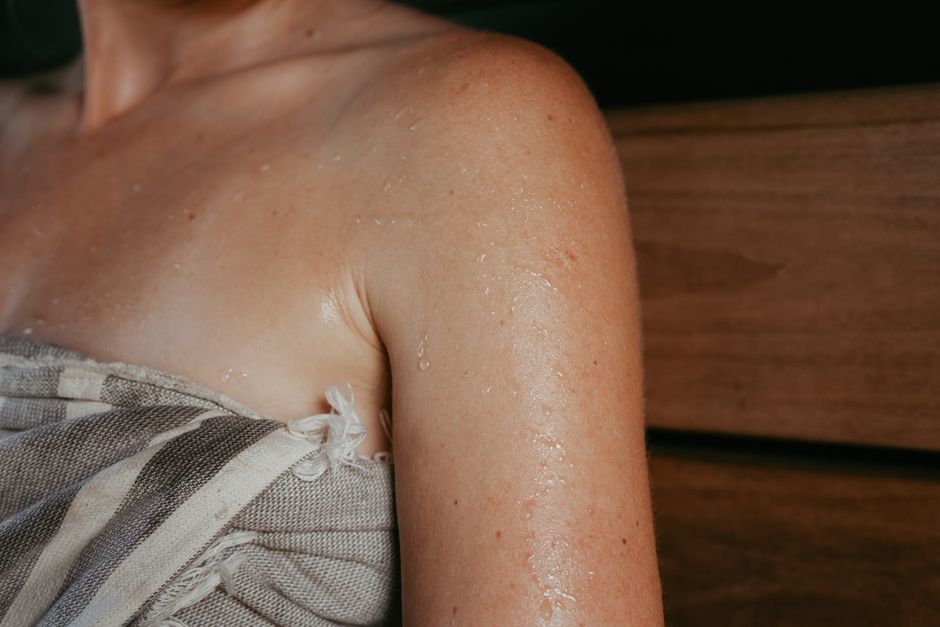
Sweating is a normal body function, not a malfunction. Your body uses it to cool itself down, and some people simply produce more sweat than others. If you want to stop sweating so much, the honest answer is that you can reduce it — through clothing choices, antiperspirants, and in some cases medical treatment — but you cannot switch off a healthy cooling system entirely. The goal is control, not elimination.
How much you sweat depends on genetics, your nervous system, your fitness level, and the environment. For most people, the right combination of over-the-counter products and small daily adjustments makes a real difference. For a smaller group, excessive sweating is a recognized medical condition called hyperhidrosis, and it deserves a doctor’s attention rather than another stronger deodorant.
Why Do I Sweat So Much?
Sweat comes from two types of glands. Eccrine glands are spread across most of your skin and produce the watery sweat that cools you down. Apocrine glands, found mainly in the armpits and groin, produce a thicker fluid that becomes odorous when skin bacteria break it down.
Your sweat glands are controlled by the sympathetic nervous system — the same system involved in your fight-or-flight response. That is why stress, anxiety, and even the anticipation of sweating can trigger it. This is a real feedback loop, not imagination. People who worry about sweating often sweat more because the worry itself activates the glands.
Body size matters too. Larger bodies generate more heat and need more cooling. Fitness level plays a role as well, though not always in the direction people expect — fit people often sweat earlier and more efficiently because their bodies have learned to regulate temperature well.
If you sweat heavily all over your body, or much more than the situation calls for, that can point to an underlying cause. Thyroid problems, low blood sugar, menopause, some medications, and infections can all increase sweating. Night sweats in particular are worth mentioning to a doctor.
Does Antiperspirant Actually Work Better Than Deodorant?
They do different jobs, and confusing them is one reason people feel nothing works. Deodorant masks or reduces odor. Antiperspirant reduces the amount of sweat produced. If your concern is wetness, you want an antiperspirant.
Antiperspirants typically contain aluminum-based compounds. These form a temporary plug in the sweat duct, which reduces how much sweat reaches the skin surface. This is a well-established mechanism, and aluminum antiperspirants are regulated as over-the-counter drugs in the US because they make a measurable claim about reducing sweat.
Here is a detail many people miss: antiperspirants work best when applied to dry skin at night, not in the morning. The sweat glands are less active while you sleep, so the product has time to form its plug before you start sweating. Morning application on already-sweaty skin is far less effective.
If regular strength does not help, higher-strength antiperspirants are available over the counter and by prescription. Some clinicians recommend starting with a standard product applied correctly at night before moving to stronger options. Give any product a fair trial of consistent use before deciding it does not work.
What Everyday Changes Reduce Sweating?
Small adjustments add up, especially for people whose sweating is uncomfortable but not a medical problem.
- Choose breathable fabrics. Cotton and moisture-wicking synthetics move sweat away from skin better than tight or non-breathable materials.
- Dress in layers. You can remove a layer when you warm up instead of sweating through your clothes.
- Manage stress where you can. Since the nervous system drives sweating, relaxation techniques help some people, though the evidence for any single method is limited.
- Watch what you eat and drink. Hot drinks, spicy food, alcohol, and caffeine can trigger sweating in some people. Notice your own patterns rather than assuming.
- Stay cool. Fans, air conditioning, and cooler rooms reduce the cooling demand on your body.
- Keep skin clean and dry. Regular washing reduces the bacteria that turn sweat into odor.
None of these will stop heavy sweating on their own. They work best alongside an antiperspirant used correctly.




When Is Sweating a Medical Condition?
Excessive sweating has a name: hyperhidrosis. It is diagnosed when sweating is heavier than the body needs for temperature control and it interferes with daily life. It most often affects the palms, soles, underarms, or face.
Doctors generally divide it into two types. Primary focal hyperhidrosis has no identifiable underlying cause and usually starts in childhood or adolescence, affecting specific areas. Secondary hyperhidrosis results from another condition or a medication and often involves the whole body.
See a doctor if you notice any of these:
- Sweating that soaks through clothes or drips from your hands
- Sweating that started suddenly in adulthood
- Night sweats
- Sweating along with weight loss, fever, or a racing heart
- Sweating that is affecting your work, social life, or mental health
These signs do not mean something is seriously wrong. They mean the cause should be checked rather than assumed.
What Medical Treatments Exist for Heavy Sweating?
For people with hyperhidrosis, several treatments are used in clinical practice. The evidence varies by treatment, and results differ from person to person.
Prescription antiperspirants contain higher concentrations of aluminum chloride than over-the-counter products. They are widely used and generally considered a first step, though they can irritate skin.
Botulinum toxin injections are used for underarm sweating and, in some cases, hands and feet. They temporarily block the nerve signals that trigger sweat glands. Multiple studies support their effectiveness for underarm hyperhidrosis, though the effect wears off and repeat injections are needed.
Oral medications that reduce nerve signals to sweat glands are sometimes prescribed. These can reduce sweating across the body but carry side effects such as dry mouth and blurred vision, so they are used selectively.
Procedures such as microwave-based treatments, laser, or surgery exist for specific cases. These are less commonly used and carry more risk. Surgery for sweating, including nerve cutting, can cause compensatory sweating elsewhere on the body, which some people find worse than the original problem.
Treatment choice depends on which body areas are affected, how severe the sweating is, and how you weigh benefits against side effects. A dermatologist is the usual specialist for this.
Does Sweating Mean I’m Unfit or Unhealthy?
No. Sweating more than the person next to you says very little about your health or fitness. It mostly reflects how your individual nervous system and sweat glands are set up.
In fact, fit people often start sweating sooner during exercise. Their bodies have adapted to regulate temperature more efficiently, so they begin cooling earlier. Sweating a lot during a workout is not a sign of weakness.
The exception is sweating that is new, sudden, or accompanied by other symptoms. That pattern is worth a medical check, because it can point to something else going on.
Can You Stop Sweating Completely?
No, and you would not want to. Sweating is how your body prevents overheating. Without it, core temperature can rise dangerously.
What you can do is bring excessive sweating under control. For many people, that means an antiperspirant applied correctly at night, breathable clothing, and awareness of triggers. For people with hyperhidrosis, it means a conversation with a doctor about prescription options and procedures.
The realistic goal is comfort and confidence, not a body that never sweats.
Frequently Asked Questions
Why do I sweat so much even when I’m not hot?
Your sweat glands are controlled by the nervous system, so stress, anxiety, and even anticipation of sweating can trigger it without heat. If this happens often or suddenly, it is worth mentioning to a doctor.
Should I apply antiperspirant at night or in the morning?
Night is generally better because sweat glands are less active while you sleep, letting the product form its plug effectively. Morning application on sweaty skin is much less effective.
Is heavy sweating a sign of a health problem?
Sometimes. Sweating that is new, happens at night, or comes with weight loss, fever, or a racing heart should be checked by a doctor. Most heavy sweating, however, is not dangerous.
Can deodorant stop me from sweating?
No. Deodorant targets odor, not sweat. If wetness is your concern, you need an antiperspirant, which reduces how much sweat reaches your skin.
