
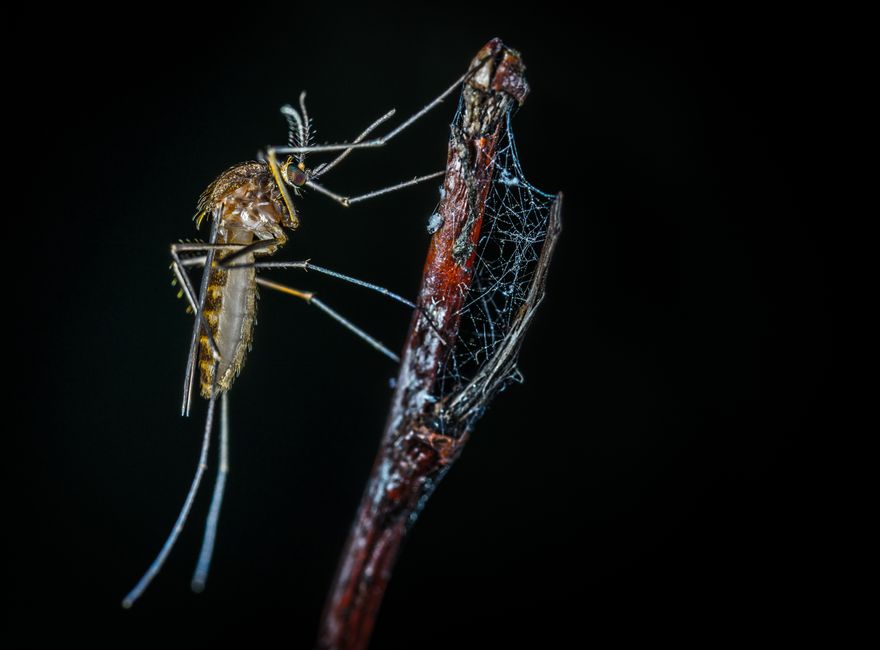
Mosquito bites are annoying, itchy, and sometimes painful. The good news is you can soothe them at home with simple, proven methods. Start with a cool compress, apply an over-the-counter hydrocortisone cream or calamine lotion, and take an oral antihistamine if the itching is widespread. These steps calm the skin’s reaction and reduce the urge to scratch, which is the most important part of healing.
Why Do Mosquito Bites Itch So Much?
When a female mosquito bites you, she injects saliva into your skin. This saliva contains proteins that prevent your blood from clotting while she feeds. Your immune system recognizes these proteins as foreign invaders.
Your body releases histamine, a chemical that causes blood vessels to dilate and fluid to leak into the surrounding tissue. This creates the red, swollen bump. Histamine also triggers nerve endings, which causes the intense itch. The itch is your immune system working, but it is also a signal to your brain to pay attention. Scratching provides temporary relief, but it damages the skin and releases more histamine, creating a cycle that makes the itch worse.
What Is the Fastest Way to Stop the Itch?
The fastest relief comes from a cold compress applied directly to the bite. Wrap ice cubes in a clean cloth or use a bag of frozen vegetables. Hold it on the bite for 10 to 15 minutes. The cold numbs the nerve endings and reduces swelling by constricting blood vessels.
After cooling the area, apply a thin layer of hydrocortisone cream. This is a mild steroid that reduces inflammation and calms the immune response. You can buy it over the counter in strengths up to one percent. Apply it once or twice a day for a few days. Do not use it on broken skin or near your eyes.
Calamine lotion is another effective option. It contains zinc oxide and ferric oxide, which cool the skin and dry out the bite. It works well for mild itching and is safe for most people, including children over two years old.
For bites that cover a large area or interrupt your sleep, an oral antihistamine can help. Antihistamines like cetirizine, loratadine, or fexofenadine block histamine receptors throughout your body. This reduces itching everywhere, not just at the bite site. These are non-drowsy for most people, but diphenhydramine, another option, can cause significant drowsiness and is best used at bedtime.
What Home Remedies Actually Work?
Several home remedies have real evidence behind them. Others are popular but do not hold up to scrutiny.
Aloe vera gel is a legitimate option. It has natural anti-inflammatory properties and cools the skin. Use pure gel from the plant or a store-bought product with a high percentage of aloe. It is gentle and safe for most skin types.
Oatmeal baths are effective for widespread itching. Colloidal oatmeal, which is finely ground oats, forms a protective barrier on the skin and reduces inflammation. You can buy it as a powder and add it to cool bath water. Soak for 15 to 20 minutes, then pat your skin dry. Do not rub.
Honey has antibacterial properties and may help prevent infection, but there is no strong evidence that it reduces itching. If you use it, apply a small amount and cover it with a bandage to avoid a sticky mess.
Essential oils like tea tree oil and lavender oil are sometimes recommended. Some research suggests they have anti-inflammatory effects, but they can also cause skin irritation, especially at full strength. If you try them, dilute them in a carrier oil like coconut or jojoba oil. Stop using them if your skin becomes red or more irritated.
There is no evidence that applying heat from a spoon or a hair dryer helps. Heat can actually damage the skin and worsen inflammation. Similarly, nail polish and toothpaste are not proven remedies. Toothpaste can dry out the bite but does not address the underlying inflammation.





What Should You Avoid Doing?
Scratching is the number one thing to avoid. Scratching breaks the skin, which opens the door to bacteria. This can lead to a secondary infection like impetigo or cellulitis. If the bite becomes infected, you may notice increased redness, warmth, pain, or pus. See a doctor if these signs appear.
Avoid using rubbing alcohol directly on the bite. It may provide a brief cooling sensation, but it dries out the skin and can delay healing. It also stings.
Do not use heat packs or hot water. Some people find hot showers temporarily relieve itching, but the heat triggers more histamine release, which makes the itch worse once you cool down.
Avoid tight clothing over the bite. Friction from fabric can irritate the area and increase the urge to scratch. Loose, breathable clothing is better.
When Should You See a Doctor?
Most mosquito bites heal on their own within a few days to a week. But some situations require medical attention.
If you experience symptoms beyond the bite site, you may be having an allergic reaction. Signs include hives elsewhere on your body, swelling of your lips or face, difficulty breathing, or dizziness. These are symptoms of a severe allergic reaction called anaphylaxis, which is a medical emergency. Call 911 immediately.
If a bite becomes infected, see a doctor. Signs of infection include spreading redness, warmth, swelling that increases after the first day, pus, or red streaks moving away from the bite. You may also develop a fever.
Some people develop a condition called skeeter syndrome, which is a large local allergic reaction to mosquito bites. It causes significant swelling, heat, and sometimes blistering. It is not life-threatening, but it can be very uncomfortable. A doctor can prescribe a stronger topical steroid or an oral antihistamine.
How Do You Prevent Mosquito Bites in the First Place?
Prevention is more effective than treatment. The best approach is to avoid being bitten.
Use an EPA-registered insect repellent. Products containing DEET, picaridin, or oil of lemon eucalyptus are proven to be effective. DEET is safe for most people when used as directed. The concentration determines how long it lasts, not how strong it is. A product with 20 to 30 percent DEET provides several hours of protection. Picaridin is a good alternative for people who prefer a less chemical smell. Oil of lemon eucalyptus is a plant-based option, but it should not be used on children under three years old.
Wear long sleeves and pants when you are outdoors at dawn or dusk, which are peak mosquito activity times. Mosquitoes are attracted to body heat, carbon dioxide, and certain body odors. Light-colored clothing is less attractive to them than dark colors.
Eliminate standing water around your home. Mosquitoes lay eggs in stagnant water. Check flower pots, bird baths, gutters, and children’s toys. Empty and change water in pet bowls and bird baths regularly.
Use screens on windows and doors. Keep them in good repair to prevent mosquitoes from entering your home. Use air conditioning when possible, as mosquitoes prefer warm, humid environments.
Mosquito nets are important if you are sleeping outdoors or in areas with high mosquito populations. Permethrin-treated clothing and gear provide additional protection and remain effective through multiple washes.
Do Natural Repellents Work?
Some natural repellents have evidence behind them. Citronella candles and torches can reduce mosquito activity in a small area, but their effect is limited and short-lived. They are not as effective as topical repellents.
Certain plant-based oils, including citronella, lemongrass, and peppermint, have some repellent properties. However, they evaporate quickly and require frequent reapplication. They are generally less effective than DEET or picaridin.
There is no strong evidence that vitamin B supplements, garlic, or ultrasonic devices repel mosquitoes. These are popular myths that have not held up in controlled studies. Do not rely on them for protection, especially in areas where mosquito-borne diseases like West Nile virus or dengue are a concern.
What About Mosquito-Borne Diseases?
Most mosquito bites in the United States are harmless. But mosquitoes can transmit diseases, including West Nile virus, Eastern equine encephalitis, and, in some regions, dengue and Zika. These are rare, but the risk varies by location and season.
If you develop a fever, headache, body aches, or a rash within two weeks of a mosquito bite, see a doctor. Mention that you were bitten. Early diagnosis and treatment matter for some of these diseases.
There are no vaccines for most mosquito-borne diseases in the United States. Prevention through repellents and protective clothing is the primary strategy.
Frequently Asked Questions
Can I use ice directly on a mosquito bite?
No, do not put ice directly on your skin because it can cause frostbite. Wrap ice in a cloth or use a cold pack designed for skin contact.
How long does a mosquito bite last?
Most mosquito bites heal within three to seven days. The itching usually peaks in the first 24 to 48 hours and then gradually fades.
Is it safe to use hydrocortisone cream on children?
Yes, hydrocortisone cream is safe for children over two years old when used sparingly. For younger children or if the bite is on the face, check with a pediatrician first.
Does scratching make mosquito bites worse?
Yes, scratching breaks the skin and releases more histamine, which increases itching and can lead to infection. It also slows the healing process.
