
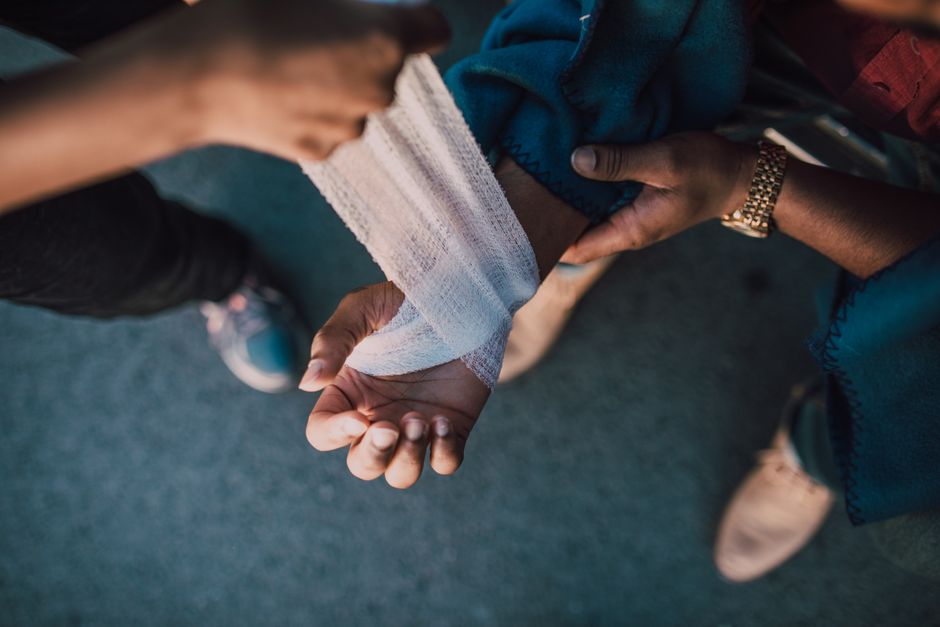
Wound irrigation is the process of flushing a wound with a stream of fluid to remove dirt, bacteria, and dead tissue before a dressing is applied. You do it by directing a gentle but steady flow of sterile saline or clean water across the wound surface, using a syringe, squeeze bottle, or running tap water. The goal is to clean the wound without pushing debris deeper into the tissue or damaging healthy cells.
What Is Irrigating A Wound And How Do You Do It?
Irrigation is one of the oldest steps in wound care, and it remains a standard part of managing both minor cuts and surgical incisions. The basic idea is simple: fluid under pressure lifts contamination off the wound bed and carries it away.
For a small cut at home, the steps are straightforward:
- Wash your hands with soap and water first.
- Rinse the wound under clean running water. Tap water is acceptable for most minor wounds in healthy people.
- If you prefer, draw up sterile saline into a clean syringe and flush gently across the surface.
- Pat the surrounding skin dry, apply a dressing, and check the wound daily.
Pressure matters more than most people realize. Too little flow and the fluid just pools in the wound without lifting debris. Too much and you can force bacteria into deeper tissue or injure the wound bed. In clinical settings, clinicians often aim for a moderate, controlled stream rather than a hard blast. The exact pressure that is ideal is still debated, and different wound types may call for different approaches.
What you should not do is scrub the wound with a washcloth, soak it for long periods, or pour hydrogen peroxide or rubbing alcohol into it. Those habits can irritate tissue and slow healing. Plain water or saline does the job.
Why Does Wound Irrigation Matter?
Infection is the main reason irrigation exists. A wound that carries dirt, gravel, or bacteria has a higher chance of becoming infected than one that is cleaned promptly. Flushing removes much of that material before it can multiply.
There is a second reason that gets less attention. Dead tissue and debris in a wound can interfere with the body’s own repair process. When the wound bed is clean, new tissue can form more easily and the edges can close. Irrigation supports that process by clearing the surface.
The evidence for irrigation is strongest in specific settings — contaminated wounds, bite wounds, and wounds seen in emergency departments. For a clean paper cut on your finger, the benefit is smaller but the risk of doing it is essentially zero. Cleaning a minor wound with water is low-cost and low-risk, so it is reasonable even when the evidence is not dramatic.
What Should You Use To Irrigate A Wound?
Sterile saline is the standard choice in medical settings because it matches the salt balance of your body and does not sting or damage tissue. Normal saline is the same fluid used in IV bags, and it is gentle on exposed cells.
Clean tap water is a reasonable alternative for minor wounds at home. Some research suggests that for simple cuts and scrapes, tap water is about as effective as saline for preventing infection. This is not true everywhere — in areas where water quality is poor, sterile fluid is safer.
Other options you may see mentioned:
- Sterile water — acceptable, though it can sting more than saline because it lacks salt.
- Potable water — fine for minor wounds in most US households.
- Commercial wound cleansers — some contain surfactants that help lift debris. Evidence on whether they outperform saline is mixed.
- Antiseptic solutions — povidone-iodine and similar products are used by some clinicians for specific situations, but routine use on clean wounds is not clearly beneficial and can irritate tissue.
Hydrogen peroxide and rubbing alcohol are commonly reached for at home. Neither is recommended for open wounds. Both can damage healthy cells and slow healing. They may have a role in cleaning intact skin around a wound, but not the wound itself.




How Much Pressure And Fluid Do You Need?
This is where practice varies. There is no single number that every clinician agrees on, and the “right” pressure likely depends on the wound type, its location, and how contaminated it is.
What is well established is that some flow is better than none, and that extremely high pressure can be harmful. A forceful jet can drive contamination deeper, cause tissue swelling, and damage the wound bed. In hospitals, clinicians often use a syringe with a catheter tip to create a controlled stream, or a specialized irrigation device that regulates pressure.
For home use, the practical guidance is simpler. A gentle, steady stream from a squeeze bottle or a syringe without a needle is enough for most minor wounds. If the wound starts bleeding more or looks worse after irrigation, stop and seek medical care.
Volume is also not standardized. Some guidelines suggest using enough fluid to visibly clean the wound, while others describe specific volumes for surgical wounds. If you are managing a wound at home, use enough to flush away visible debris. There is no benefit to soaking the wound in a bowl of water for long periods.
When Should You Not Irrigate At Home?
Some wounds should be evaluated by a clinician before you try to clean them yourself. These include:
- Deep cuts, puncture wounds, or wounds that will not stop bleeding.
- Wounds from an animal or human bite.
- Wounds with embedded objects, glass, or metal.
- Wounds on the face, hands, or near a joint.
- Any wound in someone with diabetes, poor circulation, or a weakened immune system.
- Wounds that are already showing signs of infection — redness spreading, warmth, pus, or fever.
For these situations, irrigation is still part of care, but it should be done under clinical supervision. A doctor can decide whether the wound needs debridement, antibiotics, a tetanus shot, or stitches. Trying to manage these at home can delay treatment and increase the risk of complications.
People with diabetes deserve special mention. Foot wounds in particular can worsen quickly and may not be painful enough to notice early. Any foot wound in someone with diabetes should be checked by a clinician, not irrigated at home and watched.
Does Irrigation Prevent Infection?
Irrigation reduces contamination, and reducing contamination reduces infection risk. That relationship is well established. What is less clear is how much irrigation alone matters compared to other factors — wound size, location, how quickly it was cleaned, and the person’s overall health.
No cleaning method can guarantee a wound will not become infected. Even a well-irrigated wound can get infected if bacteria remain or if the person’s immune system is compromised. Irrigation is one step in wound care, not a standalone solution.
If you are unsure whether a wound needs professional care, err on the side of getting it checked. Early treatment of an infected wound is almost always easier than treating one that has been worsening for days.
Frequently Asked Questions
Can I use tap water to irrigate a wound?
Yes, for most minor wounds in healthy people, clean tap water is acceptable and about as effective as saline for preventing infection. If your water quality is uncertain or the wound is more serious, use sterile saline instead.
Is hydrogen peroxide good for cleaning wounds?
No. Hydrogen peroxide can damage healthy tissue and slow healing, so it is not recommended for open wounds. Plain water or saline is safer and works just as well for cleaning.
How often should I irrigate a wound?
For minor wounds, irrigating once when the wound happens and then keeping it clean and covered is usually enough. There is no established schedule for repeat irrigation at home, and over-cleaning can irritate tissue.
When should I see a doctor for a wound?
See a doctor for deep or puncture wounds, bites, wounds that will not stop bleeding, or any wound showing signs of infection like spreading redness, warmth, pus, or fever. People with diabetes or weakened immune systems should have wounds checked early.
