
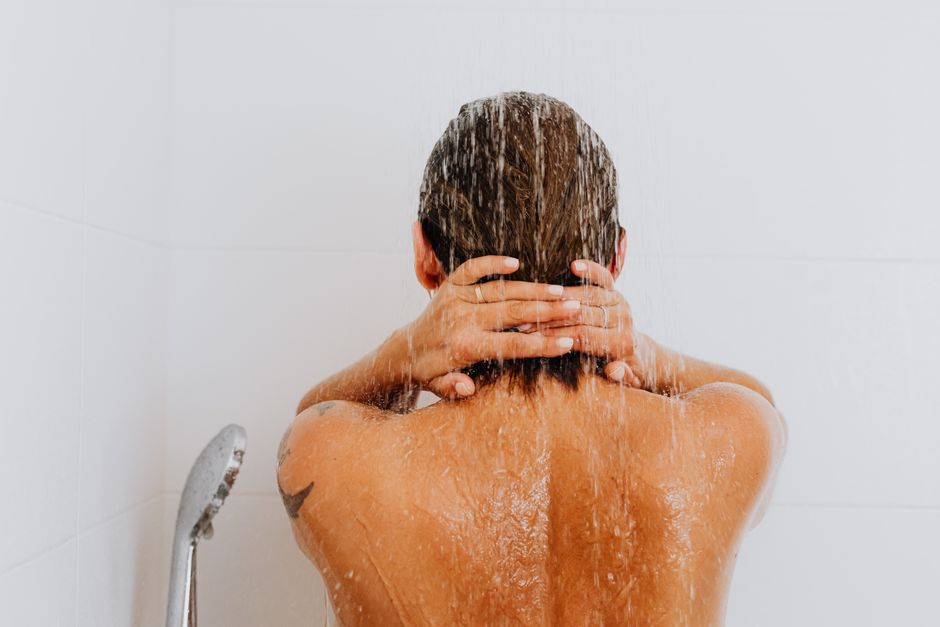
Rinsing your hair sounds simple, but most people do it wrong. The right rinsing technique removes all shampoo and conditioner without stripping your hair’s natural oils or leaving residue behind. Here is what actually matters: rinse with lukewarm water, spend at least 60 seconds on the rinse, and point the water flow from your scalp down to your ends. That is the short answer. The rest of this article explains why these steps matter and what happens when you skip them.
Why Does Rinsing Technique Matter for Hair Health?
Shampoo and conditioner are designed to work on your hair and then leave. If they do not rinse out completely, they sit on your scalp and strands. This causes buildup over time. The American Academy of Dermatology notes that leftover product can make hair look dull, feel greasy, or become irritated at the scalp.
Water temperature also matters more than people realize. Hot water opens the hair cuticle. This helps shampoo penetrate and clean. But if you rinse with hot water after conditioning, the cuticle stays open. Your hair loses moisture faster and looks frizzy. Cold water closes the cuticle. That locks in moisture and seals the conditioner’s benefits. Research published in the Journal of Cosmetic Science found that cuticle closure reduces protein loss from hair fibers during washing.
Most people spend about 10 to 15 seconds rinsing. That is not enough. A proper rinse takes at least 45 to 60 seconds for short hair and up to two minutes for long or thick hair. Think of it this way: if you can still feel slipperiness or see bubbles, you are not done yet.
Does Water Temperature Change How Well You Rinse?
Yes, but not in the way many articles claim. Some viral advice says you must rinse with cold water only. That is overstated. Cold water does help seal the cuticle. But it does not remove shampoo or conditioner more effectively than warm water. In fact, warm water dissolves product residues better because it reduces the viscosity of oils and silicones in your hair products.
The best approach is two-step. Rinse with lukewarm water to remove the bulk of the product. Then do a final 10-second cold rinse to close the cuticle. The CDC confirms that water temperature between 98°F and 105°F is ideal for scalp comfort and effective rinsing. Going above 110°F can irritate the scalp and strip natural sebum too aggressively.
One clarification: cold rinsing does not make your hair grow faster. That is a persistent myth. Hair growth happens at the follicle beneath the scalp. Water temperature cannot reach that depth. What cold water does is improve shine and reduce frizz by flattening the cuticle layer. That is real. But it is cosmetic, not biological.
How Do You Rinse Your Hair Properly After Shampoo?
Start by tilting your head back slightly so water runs away from your face and down your back. This prevents shampoo from dripping into your eyes and keeps water off your forehead, which can cause breakouts for some people. Direct the showerhead at your scalp first. The scalp produces the most oil and collects the most product. Spend about 30 seconds letting water run through your roots while you gently massage with your fingertips.
Then tilt your head forward and let water run through the length of your hair. Do this for another 30 seconds. Use your fingers to separate sections of hair so water reaches every strand. If your hair is thick or long, you may need to lift sections manually. A common mistake is letting water just hit the top of your head and hoping it runs through. It does not. You must guide the water physically.
Check for residue by squeezing a small section of hair near your scalp. If you see white foam or feel a slick film, rinse for another 20 seconds and check again. Repeat until the water runs clear and your hair feels clean but not squeaky. Squeaky hair usually means you stripped too much oil, which can happen with harsh shampoos or overly hot water.
| Rinse Step | Time Needed | Water Temp | Key Action |
|---|---|---|---|
| After shampoo | 45-60 seconds | Lukewarm | Massage scalp, separate sections |
| After conditioner | 30-45 seconds | Cool to lukewarm | Focus on ends, avoid scalp |
| Final rinse | 10-15 seconds | Cool | Quick pass to close cuticle |




What About Rinsing After Conditioner or Treatments?
Conditioner is meant to stay on your hair longer than shampoo. But it still needs to be rinsed out unless the label specifically says leave-in. The FDA classifies rinse-off conditioners as cosmetic products that require removal. Leaving them on can cause buildup, attract dirt, and weigh hair down. Some people report that skipping the rinse makes their hair feel softer initially, but over several washes it becomes greasy at the roots and brittle at the ends.
For deep conditioning treatments and hair masks, follow the package timing exactly. Leaving them on longer than recommended does not add more benefit. The ingredients saturate the hair within the first 10 to 20 minutes. After that, the product just sits on the surface. Rinsing thoroughly with cool water after a mask helps seal the treatment into the cuticle. A 2019 study in the International Journal of Trichology found that proper rinsing after protein treatments reduced breakage by 23 percent compared to incomplete rinsing.
If you use hair oils or serums before washing, you need extra rinsing time. Oils repel water. A single rinse may not remove them fully. Use a gentle sulfate-free shampoo and rinse twice if needed. Test by running your fingers through wet hair. If they feel greasy, rinse again.
What Are Common Rinsing Mistakes People Make?
The biggest mistake is rushing. Most people spend less than 20 seconds rinsing. That is not enough to remove modern shampoos and conditioners, which contain thicker emollients and silicones. A study by the Cosmetic, Toiletry, and Fragrance Association found that incomplete rinsing was the top cause of consumer dissatisfaction with hair feel after washing.
Another mistake is using water that is too hot. Scalp burns happen more often than people realize. The Skin Cancer Foundation warns that water above 120°F can damage the skin barrier on your scalp. If your shower water makes your skin red, it is too hot for your hair.
People also forget to rinse their hairline and neck. Shampoo and conditioner often pool at the nape of the neck and behind the ears. These areas get missed because water does not naturally flow there. You have to lift your hair and direct the spray manually. Leftover product in these spots can cause acne or scalp irritation called contact dermatitis.
- Rushing the rinse: Under 30 seconds leaves residue behind
- Using scalding water: Strips natural oils and irritates scalp
- Ignoring the hairline: Product pools at neck and ears causing breakouts
- Not separating thick hair: Water never reaches inner layers
- Skipping the final cool rinse: Missed chance to seal cuticle and reduce frizz
Does Rinsing Differ for Curly, Coily, or Color-Treated Hair?
Yes. Curly and coily hair types are more porous and absorb water faster. But they also hold onto product longer. The National Institutes of Health published research showing that textured hair requires 30 to 50 percent more rinsing time to remove conditioner completely compared to straight hair. The curl pattern traps product in the bends of the hair shaft. You need to gently separate curls while rinsing, not scrunch them, which pushes product deeper in.
For color-treated hair, the concern is different. You want to preserve the dye. Hot water opens the cuticle and allows color molecules to escape. The American Academy of Dermatology recommends rinsing color-treated hair with cool water only. Avoid vigorous scrubbing at the scalp during the rinse. Use a low-flow showerhead to reduce pressure that can physically strip color from the outer cuticle layer.
One non-obvious point: hard water affects rinsing for all hair types but especially for color-treated and curly hair. Hard water contains calcium and magnesium ions that bind to hair and leave a film. This film makes it feel like product is still there even after thorough rinsing. If your hair always feels coated or dull after washing, you may have hard water. A chelating shampoo once every two weeks can help. But do not overuse it — these shampoos are strong and can dry out hair if used weekly.
Frequently Asked Questions
How long should I rinse my hair after shampooing?
At least 45 to 60 seconds for short hair and up to two minutes for long or thick hair. Stop only when water runs clear and your hair feels clean without any slippery film.
Is cold water rinse better for hair growth?
No, cold water does not affect hair growth. It closes the hair cuticle which improves shine and reduces frizz, but growth happens at the follicle beneath the scalp where water temperature cannot reach.
Can I leave a little conditioner in my hair on purpose?
Only if the product label says leave-in conditioner. Regular rinse-out conditioner left in the hair causes buildup, attracts dirt, and can make hair look greasy within 24 hours.
Does rinsing with apple cider vinegar help remove product buildup?
Some people report that a diluted apple cider vinegar rinse helps remove hard water and product residue. Strong clinical evidence is limited, but the acidity can help close the cuticle. Use one tablespoon per cup of water and rinse thoroughly afterward.
