
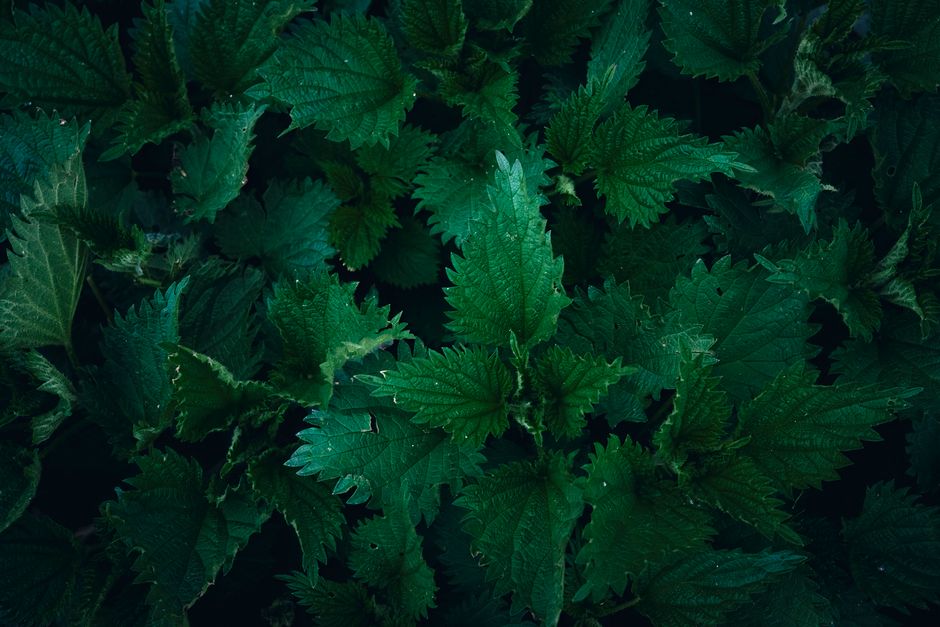
To use nettle leaf for hair growth, you can make a simple rinse by steeping dried nettle leaves in hot water, letting it cool, and pouring it over your scalp after shampooing. For an oil, infuse dried nettle leaves in a carrier oil like coconut or jojoba for several weeks, then massage it into your scalp. These methods are straightforward, but understanding the evidence behind them matters more than following a trendy routine.
Does Nettle Leaf Actually Help Hair Growth?
Research on nettle leaf and hair growth is limited but promising. Studies have found that nettle contains compounds like beta-sitosterol and scopoletin that may block a hormone called DHT. DHT is linked to hair loss in both men and women. A 2018 study in the Journal of Cosmetic Dermatology found that a topical solution with nettle extract reduced hair loss in people with androgenetic alopecia after six months. But this was a small study with 50 participants, and the solution contained other ingredients too.
Some animal studies show nettle can increase hair follicle size and growth rate. But animal studies do not always translate to humans. The American Academy of Dermatology notes that herbal treatments for hair loss have less evidence than FDA-approved options like minoxidil. Nettle leaf may support hair health through its anti-inflammatory properties and high silica content, which strengthens hair shafts. But calling it a cure for baldness would be dishonest based on current evidence.
How To Make a Nettle Leaf Hair Rinse
A nettle rinse is the easiest way to try it. You need dried nettle leaves, water, and a jar or pot. Boil two cups of water, add two tablespoons of dried nettle leaves, and let them steep for 20 to 30 minutes. Strain out the leaves and let the liquid cool completely. After you shampoo and condition your hair, pour the rinse over your scalp and hair. Massage it in gently. Do not rinse it out with water. Let it air dry or style as usual.
Some people report that the rinse reduces scalp itchiness and dandruff. The anti-inflammatory properties of nettle may explain this. A 2019 review in the Journal of Ethnopharmacology noted that nettle has been used traditionally for scalp conditions. But there is no strong clinical evidence that a rinse alone grows hair. Think of it as a supportive treatment, not a primary solution. Use it two to three times per week for consistency.
How To Make Nettle Leaf Oil for Scalp Massage
Nettle oil requires more patience but allows for deeper scalp absorption. Fill a clean glass jar halfway with dried nettle leaves. Pour a carrier oil over the leaves until they are fully submerged. Good carrier oils include coconut, jojoba, or olive oil. Seal the jar and place it in a sunny spot for two to four weeks. Shake the jar every few days. After that time, strain out the leaves using a cheesecloth or fine strainer. Store the oil in a dark glass bottle.
To use it, warm a small amount of oil between your palms. Massage it into your scalp using your fingertips in circular motions for five to ten minutes. Leave it on for at least 30 minutes or overnight. Wash it out with a mild shampoo. A 2016 study in the Journal of Cosmetic Dermatology found that scalp massage alone can increase hair thickness over time. Adding nettle oil may combine mechanical stimulation with potential anti-DHT effects.
One non-obvious point: heating the oil during infusion can destroy some beneficial compounds. Cold infusion at room temperature preserves more of the plant’s active ingredients. If you want the strongest possible oil, avoid heat entirely and wait the full four weeks.
What Does Research on Nettle and Hair Loss Show?
The strongest evidence for nettle in hair care comes from its effect on DHT. DHT is a hormone that shrinks hair follicles in people genetically prone to pattern baldness. Nettle root contains compounds that may inhibit 5-alpha-reductase, the enzyme that converts testosterone into DHT. A 2016 lab study published in Phytotherapy Research found that nettle root extract reduced DHT production by up to 50 percent in test tubes. But test tube results do not always work the same way inside the human body.
A 2020 clinical trial in the Journal of Drugs in Dermatology tested a topical spray containing nettle, saw palmetto, and caffeine. Participants using the spray had significantly less hair shedding after 12 weeks compared to a placebo group. Because the spray contained multiple ingredients, it is impossible to credit nettle alone. The FDA has not approved nettle for hair growth. The National Center for Complementary and Integrative Health states that evidence for nettle in hair loss is insufficient to recommend it as a treatment.
Here is what the research does not show: nettle reversing advanced baldness or regrowing hair on completely bald patches. No study has demonstrated that. If you have early thinning or shedding, nettle may slow progression for some people. If your hair loss is caused by something else entirely, such as thyroid issues or iron deficiency, nettle will not help until you address the root cause.
Nettle Leaf Rinse vs. Nettle Oil: Which Is Better?
Both methods have different strengths. The table below compares them based on what the evidence and traditional use suggest.
| Method | Best For | Evidence Level | Ease of Use |
|---|---|---|---|
| Nettle Rinse | Scalp health, reducing itchiness, adding shine | Weak to moderate | Easy, can make in 30 minutes |
| Nettle Oil | Scalp massage, potential DHT blocking | Moderate from lab studies | Requires 2-4 weeks infusion |
The rinse is better for immediate scalp comfort and hair appearance. The oil is better if you want sustained contact between nettle compounds and your scalp. You can use both in the same routine. Use the rinse after washing and the oil on non-wash days. There is no evidence that combining them causes harm.
What Are the Side Effects and Risks?
Nettle leaf is generally safe for topical use. Some people experience mild scalp irritation or redness, especially if they have sensitive skin. Always do a patch test on your inner arm before using nettle on your scalp. Apply a small amount of the rinse or oil and wait 24 hours. If no reaction occurs, it is likely safe to use.
Do not take nettle orally for hair growth unless you have talked to a doctor. Nettle can interact with blood thinners, diabetes medications, and blood pressure drugs. The National Institutes of Health warns that nettle may lower blood pressure and increase urination. Pregnant women should avoid nettle because it may stimulate uterine contractions. If you have any medical condition or take medication, check with your healthcare provider before using nettle internally.
One common myth is that nettle leaf can cure all types of hair loss. This is not true. Hair loss has many causes including genetics, stress, hormones, and nutritional deficiencies. Nettle leaf may help with some forms of androgen-related thinning, but it will not fix hair loss from a poor diet or an autoimmune condition. If your hair loss is sudden or patchy, see a dermatologist before trying any herbal remedy.
Common Misconceptions About Nettle for Hair
The biggest misconception is that nettle works like minoxidil. Minoxidil is a vasodilator that increases blood flow to hair follicles. Nettle does not work the same way. Its proposed mechanism is through DHT inhibition and anti-inflammatory effects. These are different pathways. Expecting instant results from nettle will lead to disappointment. Hair growth cycles take months, and herbal treatments often work slower than pharmaceutical ones.
Another misconception is that fresh nettle leaves are better than dried. Fresh nettle contains formic acid and histamine, which cause the stinging sensation. Drying neutralizes these compounds. For scalp use, always use dried nettle leaves. You can buy them at health food stores or online. Do not pick wild nettle and apply it directly to your scalp — the sting is unpleasant and can cause a rash.
Some people believe that nettle alone can replace a healthy diet for hair growth. This is not supported by evidence. Hair needs protein, iron, zinc, and B vitamins to grow. Nettle does contain some of these nutrients, but not in high enough amounts to correct a deficiency. If your hair is thinning due to low iron, nettle will not help as much as an iron supplement and dietary changes. Always address nutrition first before adding herbal treatments.
Frequently Asked Questions
How often should I use nettle rinse for hair growth?
Use nettle rinse two to three times per week for best results. Consistency matters more than frequency with herbal treatments.
Can nettle oil regrow hair on bald spots?
No study has shown nettle oil regrowing hair on completely bald areas. It may help with thinning but not advanced baldness.
How long does it take to see results from nettle hair treatment?
Most people who see results notice reduced shedding after two to three months. Visible new growth can take four to six months.
Is nettle safe for color-treated hair?
Yes, nettle is safe for color-treated hair. It does not strip dye or alter color chemistry.
