
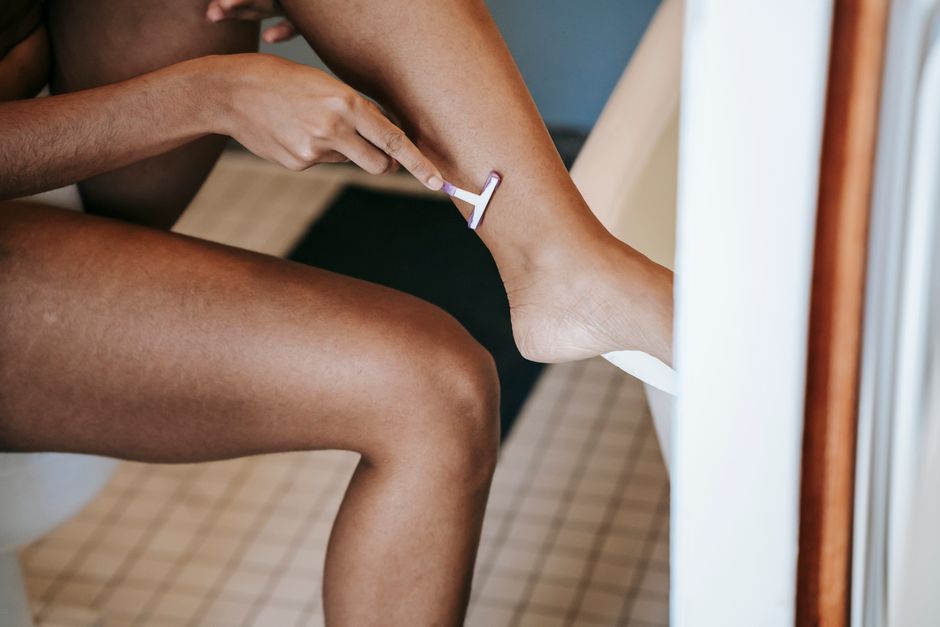
Razor pulling is a frustrating problem that turns a quick shave into a painful chore. The pull happens when the blade fails to cut hair cleanly at the skin surface and instead tugs at the hair shaft before severing it. This usually comes down to a dull blade, dry hair, or poor technique, and each cause has a straightforward fix.
Why Does My Razor Pull My Hair? The Core Mechanism
A razor cuts hair by pressing a sharp edge against the hair shaft until it slices through. When the blade is sharp, this happens almost instantly. When the blade is dull, it cannot bite into the hair cleanly. Instead, it drags the hair sideways and upward before the edge finally breaks through.
That dragging motion is what you feel as pulling. The hair is being stretched before it snaps, which is also why pulling often comes with a sharp sting. The skin around the hair follicle is sensitive, and any tension on the hair transmits directly to nerve endings there.
Hair that is dry or brittle makes the problem worse. Dry hair has less give, so it resists the blade rather than yielding to it. Wet hair, by contrast, absorbs water and softens, which makes it easier to cut with less force.
What Causes a Razor to Pull
Several factors can turn a smooth shave into a tugging session. Most of them are easy to identify and correct.
Dull Blades Are the Most Common Cause
A razor blade loses its edge with use. Microscopic damage to the blade edge happens with every pass over skin and hair. After several shaves, the edge becomes irregular and cannot cut cleanly.
Most manufacturers recommend replacing cartridge blades every five to ten shaves. This varies by hair thickness and shave frequency. Thick, coarse hair dulls blades faster than fine hair. If you feel pulling, the blade is likely past its useful life.
Shaving Dry or with Inadequate Lubrication
Shaving without water or shaving cream removes the protective layer between blade and skin. Hair remains stiff and dry, which increases resistance. The blade then has to work harder, and pulling is the result.
Even with shaving cream, some people use too little product or let it dry out before the blade arrives. The lubricant needs to be present at the moment of cutting, not just applied and forgotten.
Shaving Against the Grain
Shaving against the direction of hair growth gives a closer shave but increases pulling. The blade meets the hair at an angle that requires more force to cut. This is especially noticeable on the neck and jawline where hair grows in multiple directions.
Hair Too Long for the Razor
Razors are designed to cut short hair. When hair grows long, the blade cannot reach the base of the hair shaft cleanly. Instead, it catches the hair partway up and pulls. This is common when someone skips several days between shaves.
Poor Blade Angle
Pressing too hard or holding the razor at the wrong angle forces the blade to scrape rather than cut. The ideal angle for most razors is about 30 degrees relative to the skin. Too steep an angle makes the blade dig in and pull.
How to Fix Razor Pulling Immediately
If you are in the middle of a shave and the razor starts pulling, stop and address the cause. Continuing will irritate your skin and increase the chance of razor burn or nicks.
First, check the blade. If it has been used several times, replace it. A fresh blade is the single most effective fix for pulling.
Second, reapply warm water and shaving cream to the area. Warm water softens hair in about two to three minutes. The hair becomes more pliable and easier to cut.
Third, change your angle. Hold the razor so the blade meets the skin at a shallow angle rather than perpendicular. Let the weight of the razor do the work instead of pressing down.
Fourth, shave with the grain first. This means moving the razor in the same direction the hair grows. It will not give the closest shave, but it will cut hair cleanly without pulling. If you want a closer shave, do a second pass across the grain or against it only after the first pass is complete.





Long-Term Prevention: Keep Your Razor from Pulling
Preventing pulling starts before you ever put blade to skin. A few habits make a measurable difference.
Prepare Your Skin and Hair Properly
Shave at the end of a warm shower or after washing your face with warm water. Heat and moisture soften the hair shaft, making it easier to cut. For very coarse hair, some people benefit from a warm wet towel pressed against the area for two to three minutes before shaving.
Use a quality shaving cream or gel that provides a thick, slick barrier. Cheap soaps that dry quickly do not offer enough lubrication. Look for products that stay moist on the skin for the duration of the shave.
Replace Blades on a Schedule
Do not wait for pulling to tell you the blade is dull. Track how many shaves you get from a cartridge and replace it proactively. For most people, this is every five to ten shaves. If you shave daily, that means a new blade every one to two weeks.
Store razors in a dry place between uses. Leaving a wet razor in the shower speeds up corrosion, which dulls the edge faster. Rinse the blade thoroughly after each use and shake off excess water.
Use the Right Pressure
Pressing harder does not give a closer shave. It increases friction and pulling. Use light, short strokes and rinse the blade frequently. A clogged blade cannot cut effectively, so rinsing after every stroke or two keeps the edge clear.
When Razor Pulling Signals a Different Problem
Sometimes pulling is not about the razor at all. Skin conditions can make hair harder to cut or more sensitive to tension.
Pseudofolliculitis barbae, commonly called razor bumps, occurs when hair curls back into the skin after shaving. This can make subsequent shaves painful and difficult. If you have recurring razor bumps, shaving less frequently or using an electric razor may help.
Dry skin can also contribute. When the skin is flaky, the razor cannot glide smoothly, and it may catch on loose skin cells before reaching the hair. Moisturizing daily and exfoliating gently can improve this.
If pulling is accompanied by persistent redness, pain, or skin irritation that lasts more than a day or two after shaving, a dermatologist can help identify the cause. Some skin conditions require specific treatment that over-the-counter products will not address.
Electric Razors vs. Manual Razors for Pulling
Electric razors pull hair for a different reason. Instead of a blade edge, they use oscillating or rotating blades behind a foil or guard. These blades cut hair that enters the openings in the guard.
If hair is too long, it cannot enter the guard properly and gets pulled instead of cut. Electric razors work best on short hair, so shaving more frequently prevents this problem.
Some people find that electric razors pull less on sensitive skin because they do not press as directly against the skin. Others find the opposite. This is individual and worth testing if pulling is a persistent issue.
Is Shaving Against the Grain Worth the Pulling?
Shaving against the grain produces the closest shave, but it comes with trade-offs beyond just pulling. It increases the risk of razor burn, ingrown hairs, and skin irritation.
For most people, a two-pass shave is a good balance. The first pass goes with the grain to remove most of the hair. The second pass goes across the grain, meaning perpendicular to hair growth, to get closer without the full irritation of going against the grain.
If you must shave against the grain for a close result, do it only on areas that tolerate it well, like the cheeks, and avoid it on the neck where skin is thinner and more prone to irritation.
Frequently Asked Questions
Why does my razor pull even when the blade is new?
A new blade can still pull if the hair is dry, too long, or if you are pressing too hard. Prepare the hair with warm water and shaving cream, and use light pressure with a shallow blade angle.
How often should I replace my razor blade to stop pulling?
Most cartridge blades should be replaced every five to ten shaves. Thick or coarse hair dulls blades faster, so replace sooner if you feel any pulling.
Does shaving with the grain really reduce pulling?
Yes, shaving with the grain requires less force because the blade meets the hair at a natural angle. It gives a less close shave but significantly reduces pulling and irritation.
Can shaving cream cause razor pulling?
Yes, shaving cream that dries out or provides poor lubrication increases friction between blade and skin. Use a thick, slick shaving cream and reapply if it dries before you finish.
