
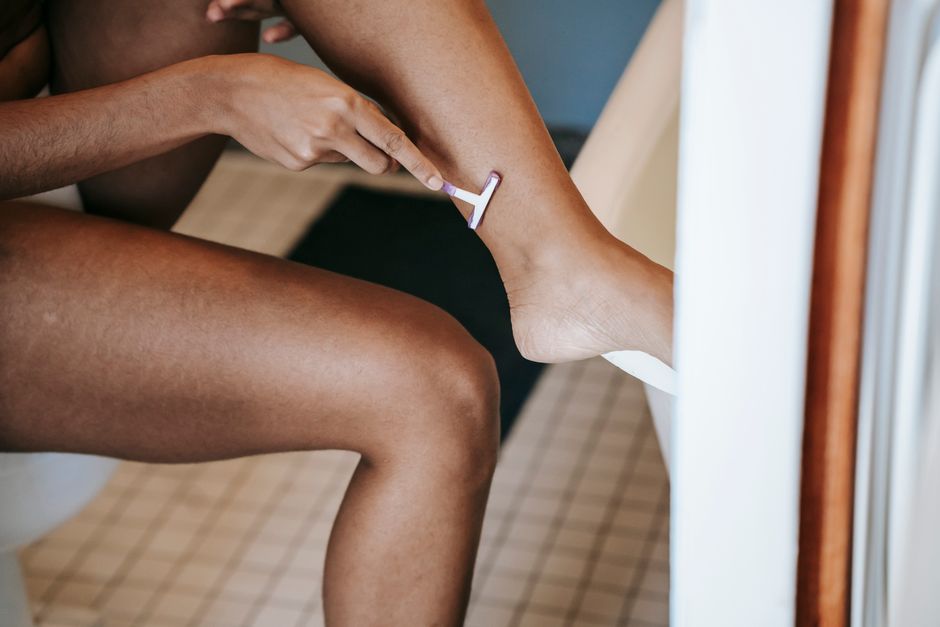
Removing butt hair is a common grooming task, but the area is sensitive and easy to irritate. The safest methods for most people are trimming with a dedicated body groomer or using a depilatory cream made for sensitive skin. Shaving with a standard razor is common but carries a higher risk of razor burn, ingrown hairs, and cuts in this delicate area. Professional options like waxing or laser hair removal offer longer-lasting results but come with their own costs and considerations.
Why Do People Remove Butt Hair?
There is no medical reason to remove butt hair. It is entirely a personal preference. Some people find it more comfortable, others prefer the way it looks, and some believe it feels cleaner. The hair in this area is normal and serves no known biological function in modern humans.
What matters most is knowing the risks before you start. The skin around the anus is thin and sensitive. It has many nerve endings. It also folds, which makes it easy to nick with a blade. Infections in this area can become serious quickly, so hygiene during any removal method is critical.
What Are the Safest Methods to Remove Butt Hair?
Trimming is the safest option by a wide margin. A body groomer or beard trimmer with a guard can shorten hair without cutting the skin. It does not remove hair at the root, so results last only a few days to a week. However, it carries almost no risk of ingrown hairs, razor burn, or infection.
Depilatory creams dissolve hair just below the skin surface. Look for products specifically formulated for sensitive skin or the bikini area. Always do a patch test on a small area of skin 24 hours before use. Never leave the cream on longer than the package directs. The skin in this area can burn if the cream is left on too long.
Shaving with a razor is possible but not ideal. If you choose this route, use a fresh razor, plenty of shaving cream or gel, and go slowly. Shave in the direction of hair growth to reduce irritation. Never use a dull blade. The risk of cuts, folliculitis, and ingrown hairs is real and uncomfortable.
Is Waxing or Laser Hair Removal Better?
Waxing removes hair from the root. Results typically last three to six weeks. The main downside is pain. The skin here is sensitive, and waxing pulls on it firmly. There is also a risk of burns if the wax is too hot. If you choose waxing, go to a licensed professional who has experience with this area. Do not attempt hot wax at home without training.
Laser hair removal targets the hair follicle with light energy. It reduces hair growth over multiple sessions. It is the most expensive option and requires several treatments spaced weeks apart. Results vary by hair color and skin tone. The procedure works best on dark hair and light skin. It is not effective on gray, red, or very light blonde hair. Some clinics offer numbing cream to reduce discomfort during treatment.
Both methods carry a risk of skin irritation and changes in pigmentation. Neither is medically necessary. The choice comes down to your budget, pain tolerance, and how long you want results to last.





What Are the Risks of Removing Butt Hair?
The most common problems are razor burn, ingrown hairs, and folliculitis. Folliculitis is an inflammation or infection of the hair follicle. It appears as small red bumps that may itch or hurt. In most cases it clears up on its own with good hygiene and avoiding further hair removal until it heals.
More serious complications are rare but possible. A cut in this area can become infected. The anus and surrounding skin contain bacteria that can enter even a small wound. Signs of infection include increasing pain, redness, swelling, pus, or fever. If any of these develop, see a healthcare provider promptly.
Anal itching is another common complaint after hair removal. As hair grows back, the short stubble can irritate the skin. This is especially true after shaving. Keeping the area clean and dry helps. Wearing loose cotton underwear reduces friction.
How to Prevent Ingrown Hairs and Razor Burn
Ingrown hairs happen when hair curls back and grows into the skin. They are more common with shaving and waxing than with trimming or depilatory creams. People with curly hair are at higher risk.
To reduce the chance of ingrown hairs:
- Exfoliate the area gently a day before hair removal, not right after.
- Use a clean, sharp razor if you shave.
- Never pull the skin tight while shaving, as this increases the chance of cutting.
- Apply a soothing, fragrance-free moisturizer after hair removal.
- Avoid tight clothing for a day or two afterward.
If an ingrown hair develops, do not dig at it with tweezers. Warm compresses and gentle exfoliation often help the hair surface on its own. If it becomes painful or shows signs of infection, see a doctor.
How to Remove Butt Hair Safely Step by Step
Start with clean skin. Shower before you begin. Use warm water, not hot, to soften the hair and skin. Dry the area thoroughly with a clean towel.
If trimming, use a groomer with a guard. The shortest guard is usually safest. Move the trimmer in short, gentle strokes. Do not press hard. Check your progress with a mirror or by feel.
If using a depilatory cream, apply it with the applicator provided. Follow the timing on the package exactly. Remove with a damp cloth in the direction of hair growth. Rinse well with cool water. Do not use soap immediately afterward, as the skin may be sensitive.
If shaving, apply a thick layer of shaving cream. Use short strokes with a fresh razor. Rinse the blade after every stroke. Do not go over the same area repeatedly. Rinse with cool water and pat dry. Apply a gentle, alcohol-free moisturizer.
What Should You Not Do?
Do not use hair removal creams meant for the face or legs on this area. They are stronger and can burn the skin. Do not use a razor you have used elsewhere on your body. Bacteria from other areas can transfer and cause infection.
Do not attempt to remove hair with scissors. It is easy to slip and cut yourself. Do not use wax strips designed for eyebrows or upper lip. They are not strong enough for body hair and may not remove hair properly, leaving broken stubble.
Do not remove hair if you have active irritation, a rash, a cut, or an active infection in the area. Wait until the skin is fully healed.
Frequently Asked Questions
Does shaving butt hair cause more itching?
Yes, shaving often causes itching as the hair grows back because the blunt stubble irritates the skin. Trimming with a groomer leaves a softer edge and is less likely to cause this problem.
Can you use Nair on your butt?
You can use depilatory creams like Nair on the buttocks, but only if the label says it is safe for sensitive skin or the bikini area. Always do a patch test first and never leave the cream on longer than directed.
Is laser hair removal safe for the butt area?
Laser hair removal is generally safe when performed by a licensed professional, but it can cause temporary redness and irritation. It requires multiple sessions and is not effective on gray, red, or blonde hair.
How long does butt hair take to grow back after waxing?
Waxed hair typically takes three to six weeks to regrow. The exact time depends on your individual hair growth cycle and genetics.
