
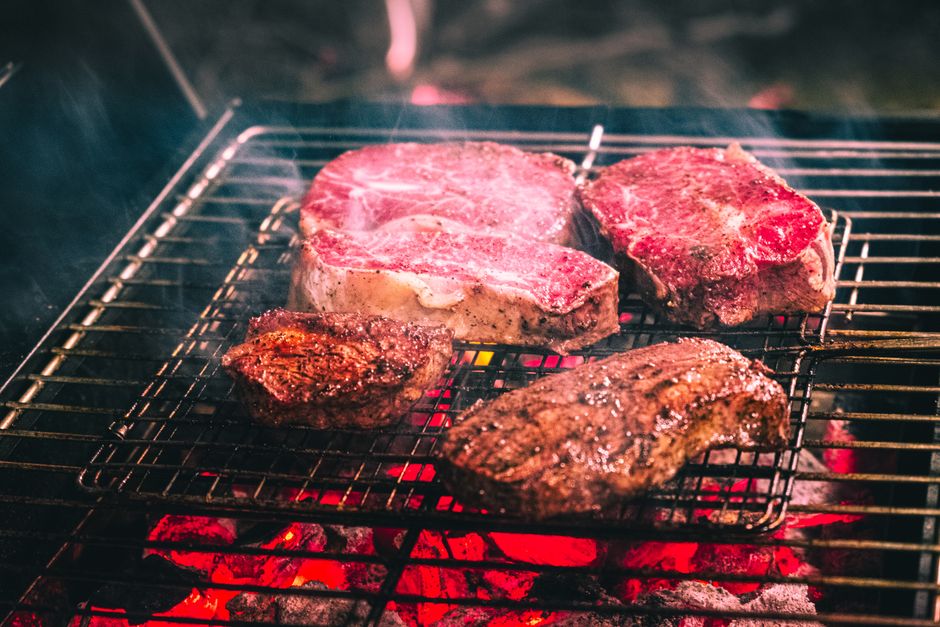
Reheating steak well comes down to one goal: warming the meat to a pleasant eating temperature without cooking it further. The quickest method is not always the best. A microwave will turn a good steak rubbery, while a gentle oven method keeps it closer to its original texture. The most reliable approach for most cuts is a low oven followed by a quick sear in a hot pan. This restores the crust without overcooking the interior.
Why Does Reheated Steak Turn Out Tough or Dry?
Steak is mostly muscle fiber and water. When you cook a steak, the muscle fibers contract and squeeze out moisture. Reheating with high, direct heat does this again. The microwave is the worst offender because it heats water molecules rapidly, turning the remaining moisture into steam and toughening the proteins.
Another factor is the fat. Steak fat melts at a lower temperature than the meat cooks. In the microwave, the fat heats unevenly. You end up with hot spots and a rubbery texture. The goal of any good reheating method is to control heat so the interior warms slowly and the outside gets crisp only at the end.
What Is the Best Way to Reheat a Steak?
The oven-and-pan method is the most reliable for thick cuts like ribeye, sirloin, or strip steak. It works because it separates the two jobs: warming the inside and crisping the outside.
Start by preheating your oven to 250°F (120°C). Place the steak on a wire rack set over a baking sheet. This lets air circulate around the meat so it heats evenly. Warm it until the internal temperature reaches about 110°F (43°C) for medium-rare. This usually takes 10 to 20 minutes depending on thickness.
While the steak is in the oven, heat a cast-iron or heavy skillet over high heat with a small amount of oil with a high smoke point, like canola or avocado oil. Once the steak comes out of the oven, pat it dry with paper towels. Sear it for 30 to 60 seconds per side. This rebuilds the crust without adding enough heat to cook the interior further.
Let the steak rest for a few minutes before slicing. This allows the juices to redistribute.
Can You Reheat Steak in a Skillet Only?
Yes, but only for thin cuts. A thin steak, like a flank steak or a skirt steak, can be reheated entirely in a hot skillet. The meat is thin enough that it will warm through in the time it takes to sear the outside.
For a thick steak, a skillet-only approach is risky. The outside will overcook before the center warms up. You will end up with a gray, tough exterior and a cold middle. If you only have a pan, use medium-low heat and flip the steak frequently. This gives the heat time to penetrate without burning the surface. Add a splash of beef broth or butter to the pan to help retain moisture.





Is the Microwave Ever an Acceptable Option?
For a thick premium steak, no. The microwave will ruin the texture. But if you have leftover thin slices of steak, like from a stir-fry or a sandwich, the microwave is fine. The slices are small enough that they heat through quickly without much moisture loss.
If you must use a microwave for a whole steak, use the defrost setting or 30% power. Heat in short 30-second bursts, flipping the steak between each one. Stop as soon as the steak is warm, not hot. This reduces the damage but does not eliminate it. The texture will still be softer and less pleasant than the oven method.
Does the Sous Vide Method Work for Reheating?
Sous vide reheating is the gentlest method and produces the most consistent result. It warms the steak to exactly the temperature you want without any risk of overcooking. The downside is time and equipment.
If you have a sous vide circulator, set the water bath to your desired serving temperature. For medium-rare, that is around 130°F (54°C). Seal the steak in a bag and immerse it for 20 to 30 minutes. This will not add any crust, so you still need a quick sear afterward. The result is a steak that tastes very close to freshly cooked.
This method is especially good for thick cuts that are hard to reheat evenly any other way. It is also the safest method for reheating steak that was cooked to a precise doneness.
How Do You Reheat Steak Without Drying It Out?
Moisture loss is the main problem with reheating. The oven method at a low temperature helps, but you can add extra protection. Resting the steak in the oven with a small amount of liquid can help. Some people place a shallow dish of water in the oven to create steam. This does not add moisture to the steak, but it slows moisture loss from the surface.
Brushing the steak with a little butter or oil before reheating also helps. The fat coats the surface and acts as a barrier. It also adds flavor. Avoid boiling the steak in liquid or steaming it. That will make the crust soggy and the meat mushy.
Another practical tip is to slice the steak before reheating. Sliced steak reheats much faster than a whole thick piece. The faster it warms, the less time it has to dry out. This works well for steak salads, tacos, or rice bowls.
What About Reheating Steak in an Air Fryer?
An air fryer works well for reheating steak, especially if you like a crisp exterior. It is essentially a small convection oven with high air circulation. Set the air fryer to 300°F (150°C). Place the steak in the basket and heat for 3 to 5 minutes, flipping halfway through.
The air fryer reheats faster than a conventional oven because the hot air moves constantly. This makes it a good middle ground between speed and quality. It is not as gentle as the oven-and-pan method, but it is much better than a microwave. Watch the steak closely. Because air fryers run hot, it is easy to overcook a thin piece in under a minute.
How Long Does Reheated Steak Last?
Reheated steak should be eaten immediately. Do not reheat steak, cool it, and reheat it again. Each cycle adds more moisture loss and more risk of bacterial growth.
Cooked steak stored properly in the refrigerator lasts 3 to 4 days. If you know you will not eat it within that time, freeze it. Frozen cooked steak can last for 2 to 3 months. Thaw it in the refrigerator overnight before reheating. Do not thaw at room temperature.
When reheating, make sure the internal temperature reaches at least 165°F (74°C) if you are concerned about food safety. However, this temperature will overcook the steak. For steak that was cooked and stored properly, reheating to your original serving temperature is generally considered acceptable for immediate consumption. The USDA recommends reheating all leftovers to 165°F for safety, but this guidance is conservative and will ruin the texture of a steak. Many food safety experts acknowledge that reheating to the original cooking temperature is standard practice for meat that was handled correctly.
Does the Cut of Steak Matter for Reheating?
Yes. Thick, fatty cuts like ribeye and strip steak reheat better than lean, thin cuts. The fat helps keep the meat moist during reheating. Lean cuts like filet mignon can dry out quickly because they have little intramuscular fat to protect them.
For lean cuts, the sous vide method or the low oven method with a butter baste is the safest choice. Avoid high heat entirely. For tougher cuts like flank or skirt steak, slicing against the grain before reheating makes them more pleasant to eat.
Ground beef patties reheat differently than whole steaks. They are thinner and have more surface area, so they dry out faster. A quick sear in a hot pan for 1 to 2 minutes per side is usually enough.
Frequently Asked Questions
Can you reheat steak twice?
It is safe to reheat steak only once. Each reheating cycle increases moisture loss and the risk of bacterial growth.
Is it safe to eat cold leftover steak?
Yes, cold steak is safe to eat as long as it was stored properly in the refrigerator within two hours of cooking.
What temperature should reheated steak be?
For best texture, reheat steak to its original serving temperature, around 130°F for medium-rare. The USDA recommends 165°F for all leftovers, but that will overcook the steak.
Why does microwave steak turn rubbery?
The microwave heats water molecules rapidly, turning moisture into steam and toughening the muscle fibers. This is why the texture changes so dramatically.
