
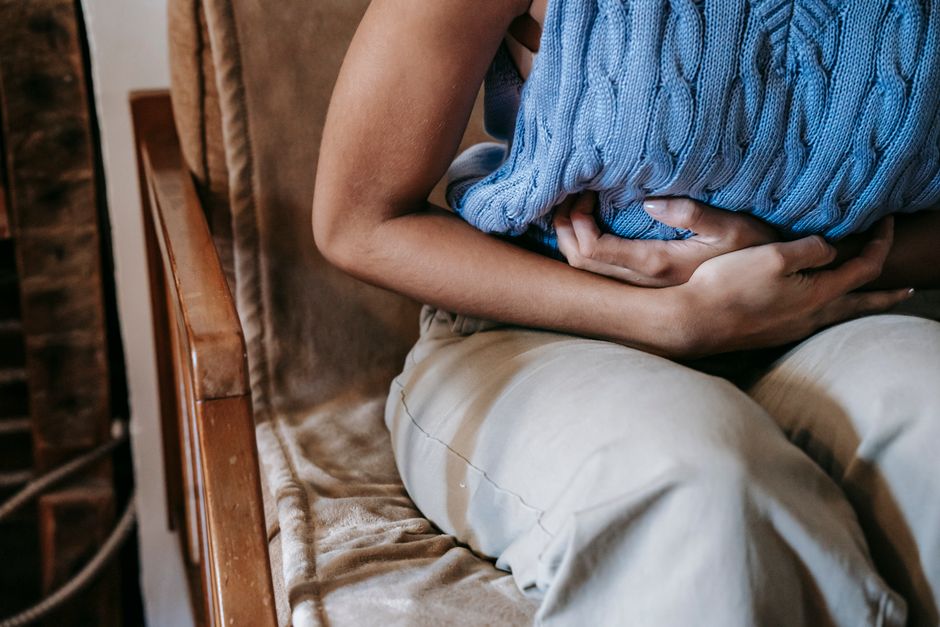
Bloating is that tight, swollen feeling in your belly that makes your pants feel too small. It is not the same as belly fat, and it is usually temporary. The most direct way to reduce bloating is to figure out what is trapping gas or fluid in your digestive system and address that specific cause. For most people, this means slowing down how you eat, checking what you drink, and looking at a few common food triggers.
What Actually Causes Bloating in the First Place?
Bloating happens when your gastrointestinal tract fills with gas or air. Sometimes it is from swallowing air while eating too fast. Other times it is from your gut bacteria producing gas as they break down certain foods.
There is a difference between bloating and distension. Bloating is the feeling of fullness. Distension is when your stomach physically expands. You can have one without the other. Current research suggests that about 75% of people who report bloating also show visible distension, but the two do not always go together.
Common causes include swallowing air, eating large meals, and eating foods your body has trouble digesting. Hormonal changes, especially in women during their menstrual cycle, can also cause fluid retention that feels like bloating. Constipation is another major cause because waste sitting in your colon gives gas more time to build up.
Does Drinking Water Help Reduce Bloating?
Yes, but not in the way you might think. Drinking water does not “flush out” gas. What it does is keep things moving through your digestive system so waste does not sit around and ferment.
When you are dehydrated, your body holds onto sodium. That leads to water retention. Drinking enough water helps your kidneys flush excess sodium, which reduces fluid-based bloating. Aim for consistent hydration throughout the day rather than chugging large amounts at once.
Carbonated drinks are a different story. The bubbles in soda, seltzer, and sparkling water are carbon dioxide gas. That gas goes directly into your stomach. For some people, this causes immediate bloating. If you are prone to bloating, still water or herbal tea is a better choice.
What Foods Should You Avoid to Reduce Bloating?
Certain foods are known to cause gas in many people. This does not mean you need to cut them out forever. It means you should pay attention to how your body reacts after eating them.
Beans and lentils are common triggers. They contain oligosaccharides, a type of carbohydrate that humans cannot digest fully. When these reach your large intestine, bacteria break them down and produce gas. Soaking dried beans overnight and discarding the water before cooking can reduce these compounds.
Cruciferous vegetables like broccoli, cauliflower, cabbage, and Brussels sprouts contain raffinose, another hard-to-digest sugar. Cooking these vegetables breaks down some of the raffinose, making them easier to handle than eating them raw.
Wheat and other grains containing gluten can cause bloating in people with celiac disease or non-celiac gluten sensitivity. For people without these conditions, wheat is not usually a problem. Do not cut out gluten unless you have a confirmed issue.
Dairy is a problem for people who are lactose intolerant. If you feel bloated after milk, cheese, or ice cream, your body may not be producing enough lactase, the enzyme that breaks down lactose. Lactose-free dairy products or lactase enzyme supplements can help.
Artificial sweeteners, especially sugar alcohols like sorbitol, mannitol, and xylitol, are poorly absorbed by the small intestine. They travel to the colon where bacteria ferment them, producing gas and bloating. Check labels on sugar-free gum, candies, and protein bars.
Here is a quick comparison of common triggers and what to do about them:
| Food Type | Why It Causes Bloating | Simple Fix |
|---|---|---|
| Beans and lentils | Hard-to-digest carbohydrates | Soak overnight, rinse before cooking |
| Cruciferous vegetables | Contains raffinose sugar | Cook them instead of eating raw |
| Dairy | Lactose for intolerant people | Try lactose-free versions or enzyme pills |
| Carbonated drinks | Swallowed carbon dioxide gas | Switch to still water or herbal tea |
| Artificial sweeteners | Poorly absorbed sugar alcohols | Read labels, avoid sugar-free gum |




Can Probiotics Reduce Bloating?
Some studies suggest probiotics can help, but the evidence is mixed. Probiotics are live bacteria that may improve the balance of your gut microbiome. For some people, this reduces gas production. For others, it makes bloating worse.
The problem is that not all probiotics work the same way. Different strains do different things. Research shows that Bifidobacterium infantis and Lactobacillus plantarum may help with bloating, while other strains have little effect. Some people report more gas when starting probiotics because the bacteria are actively fermenting in your gut.
If you want to try probiotics, start with a low dose and see how you feel. Give it two weeks. If bloating gets worse, stop. If it improves, you may have found something that works for you. Fermented foods like yogurt, kefir, sauerkraut, and kimchi are natural sources of probiotics and may be easier for your body to handle than supplements.
What Lifestyle Changes Actually Reduce Bloating?
Eating habits matter more than most people realize. Eating too fast means you swallow air along with your food. That air has to come out somewhere. Slow down. Chew your food thoroughly. Put your fork down between bites.
Exercise helps move gas through your digestive tract. A gentle walk after a meal can stimulate intestinal activity and push trapped gas out. Yoga poses like child’s pose, knees to chest, and twists can also help release gas physically.
Stress affects your digestion through the gut-brain axis. When you are stressed, your body diverts blood flow away from your digestive system. This slows down digestion and allows gas to build up. Deep breathing, short meditation, or simply taking five minutes to relax before eating can make a real difference.
Here are the most effective lifestyle changes backed by evidence:
- Eat smaller meals more frequently instead of three large ones
- Chew food thoroughly and eat without distractions
- Walk for 10-15 minutes after eating
- Avoid chewing gum and drinking through straws
- Stop eating two to three hours before lying down
What About Over-the-Counter Products for Bloating?
Simethicone is the active ingredient in products like Gas-X and Mylanta. It works by helping gas bubbles combine so they are easier to pass. Research shows it can reduce the feeling of bloating for some people, but it does not reduce gas production itself. It just helps you get rid of what is already there.
Activated charcoal is sometimes marketed for bloating. There is not enough good evidence to recommend it. Some people report relief, but studies have not confirmed it works consistently. It can also interfere with medications if taken too close together.
Digestive enzymes can help if your bloating is caused by trouble digesting specific foods. Lactase enzyme helps with dairy. Alpha-galactosidase, found in products like Beano, helps break down the carbohydrates in beans and vegetables. These are not magic pills. They only work if your bloating is caused by the specific food they target.
Peppermint oil capsules have some evidence behind them. Studies suggest they can help with bloating and gas in people with irritable bowel syndrome. The oil relaxes the muscles in your digestive tract, which allows trapped gas to move. Enteric-coated capsules are best because they release the oil in your intestines rather than your stomach.
Frequently Asked Questions About reduce bloating
How quickly can you reduce bloating?
Mild bloating from gas usually resolves within a few hours. Bloating from constipation or fluid retention may take one to two days to fully clear.
Does lemon water help with bloating?
Lemon water itself does not reduce gas, but staying hydrated does help. If lemon water encourages you to drink more, it can indirectly help with fluid-based bloating.
Can bloating be a sign of something serious?
Occasional bloating is normal. See a doctor if bloating is persistent, painful, or accompanied by weight loss, blood in stool, or changes in bowel habits.
Is bloating worse as you get older?
Digestion can slow with age, and some people produce less of certain digestive enzymes. This can make bloating more frequent, but the same strategies still apply.
