
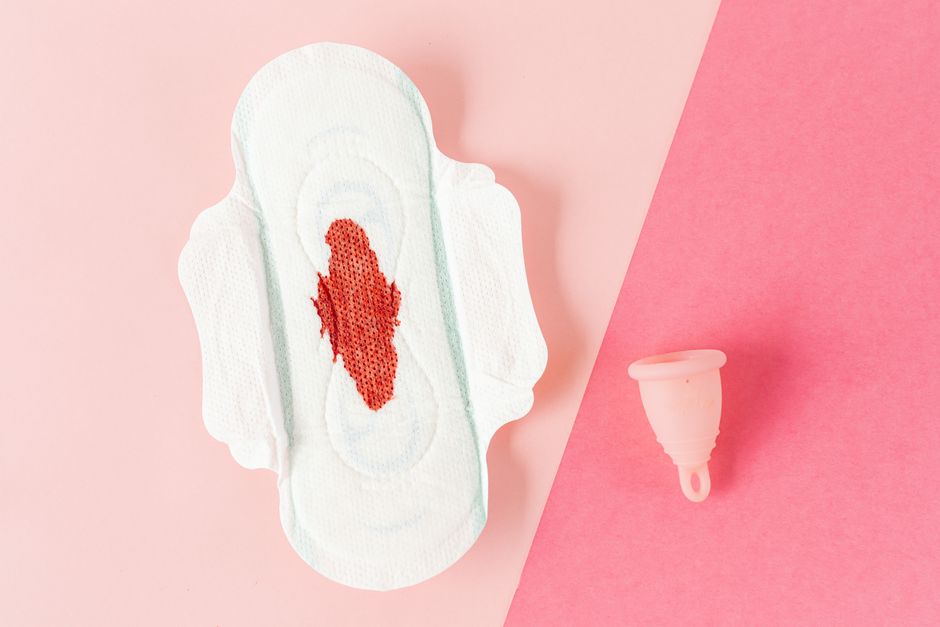
Menstrual bleeding usually lasts between four and seven days, and most people cannot simply decide to stop it mid-cycle. However, certain medical methods, including hormonal birth control, can shorten a period, lighten the flow, or delay it until you are ready for it. These methods work by changing your hormone levels, which directly affects how your uterine lining builds up and sheds.
What Actually Controls the Length and Heaviness of Your Period?
Your menstrual cycle is driven by hormones. Estrogen builds up the lining of your uterus, called the endometrium. After ovulation, progesterone takes over to prepare that lining for a possible pregnancy.
If pregnancy does not happen, hormone levels drop. This drop causes the uterine lining to shed, which is the bleeding you see as your period. The amount you bleed depends on how thick that lining became and how your uterus contracts to expel it.
This means the only reliable way to stop or slow bleeding is to change the hormonal signals. You cannot exercise, eat, or rest your way into stopping a period that has already started.
How Do You Make Your Period Stop Or Slow Down Using Birth Control?
Hormonal birth control is the most effective medical tool for controlling when and how much you bleed. The way it works depends on the type of method you choose and how you use it.
Combined hormonal contraceptives, which contain both estrogen and progestin, are the most flexible option. These include the pill, the vaginal ring, and the patch. When you take the active pills continuously, skipping the placebo week, you delay the hormone drop that triggers bleeding. This can stop your period entirely for months at a time.
Progestin-only methods work differently. The hormonal intrauterine device (IUD), the implant, the shot, and the progestin-only pill often thin the uterine lining over time. A thinner lining means less bleeding. Many people using the hormonal IUD find their periods become very light or stop completely after several months of use.
These are not emergency fixes. If your period has already started, starting a new birth control method will not stop the current bleed instantly. The effects build over weeks or months of consistent use.
Can You Stop a Period That Has Already Started?
Once the shedding process has begun, you cannot halt it in its tracks with a home remedy. The uterine lining is already breaking down, and no food, herb, or supplement has been proven to reverse that process.
The only medication that can slow active bleeding is tranexamic acid, which is available by prescription. It works by helping your blood clot more effectively. Doctors usually prescribe it to reduce heavy menstrual bleeding, not to stop a normal period completely. It does not alter your hormone levels and will not delay your next cycle.
Nonsteroidal anti-inflammatory drugs (NSAIDs) like ibuprofen can reduce the amount of flow. They lower prostaglandin levels, which are chemicals that cause your uterus to contract and shed its lining. Taking ibuprofen at the recommended dose for pain can reduce blood loss by about 20 to 30 percent in some people. It will not stop bleeding entirely, but it can make the flow lighter and less painful.





What Are the Risks of Stopping Your Period?
Skipping periods with continuous birth control is generally considered safe for most healthy people. The medical community does not view a monthly bleed as medically necessary when you are using hormonal contraception.
However, continuous use of combined hormonal birth control carries the same risks as regular use. These include a small increased risk of blood clots, especially in people who smoke, are over 35, or have certain medical conditions like high blood pressure or a history of migraines with aura.
Breakthrough bleeding is the most common side effect when you skip periods. This is spotting or light bleeding that happens unpredictably. It often occurs in the first few months of continuous use and usually settles down as your body adjusts to the steady hormone levels.
Missing a period does not mean you are pregnant if you are using birth control correctly. But if you skip periods and are not using contraception, pregnancy is the most common reason for a missed period.
When a Missed or Stopped Period Is Not Normal
If you are not on hormonal birth control and your period stops on its own, that is a different situation. This is called secondary amenorrhea, which means you have had normal periods in the past but they have stopped for three months or longer.
Common causes include pregnancy, significant weight loss or gain, extreme exercise, stress, polycystic ovary syndrome (PCOS), thyroid disorders, and premature ovarian insufficiency. Each of these requires different evaluation and management.
Missing one period is usually not a cause for alarm. Missing several in a row warrants a medical evaluation to identify the underlying cause.
Natural Methods and What the Evidence Shows
There is no shortage of online advice about herbs and supplements that supposedly shorten or stop periods. The evidence does not support most of these claims.
Some studies suggest that certain herbs may influence menstrual bleeding, but the research is limited and inconsistent. No herb has been proven in large clinical trials to reliably stop or shorten a period. Taking unregulated herbal supplements carries risks, including interactions with medications and unknown effects on hormone levels.
Vitamin C, ginger, and raspberry leaf tea are frequently mentioned in online discussions. No clinical evidence confirms that any of these can stop menstrual bleeding. The honest position is that these remedies have not been shown to work in controlled studies.
Heat therapy, such as a heating pad, can relieve cramps by relaxing the uterine muscles. It does not change the amount or duration of bleeding.
Medical Conditions That Cause Heavy or Prolonged Bleeding
If your periods are consistently heavy, lasting more than seven days, or requiring you to change your pad or tampon every hour for several consecutive hours, you may have a condition called heavy menstrual bleeding. This affects about one in five people who menstruate.
Uterine fibroids, which are noncancerous growths in the uterus, are a common cause. Endometriosis, adenomyosis, and polyps can also cause heavy bleeding. A bleeding disorder, such as von Willebrand disease, may be the underlying issue in some cases.
These conditions require proper diagnosis. Treatment depends on the cause and may include hormonal management, medication, or surgical options in severe cases. Do not assume heavy bleeding is just “your normal.” It can lead to iron deficiency anemia and affect your quality of life.
When to See a Doctor
You should seek medical advice if your periods are consistently heavy enough to interfere with daily activities, if they last longer than seven days, or if you pass large blood clots. Bleeding between periods, bleeding after sex, or a period that stops suddenly when you are not using contraception also warrant a checkup.
Emergency care is needed if you are soaking through a pad or tampon every hour for more than two hours, if you feel lightheaded or short of breath, or if you suspect you might be pregnant and are bleeding heavily. These can be signs of significant blood loss or a medical emergency.
Frequently Asked Questions
Can ibuprofen stop your period?
Ibuprofen can reduce the amount of menstrual flow by about 20 to 30 percent, but it will not stop your period completely.
Is it safe to skip periods with birth control?
Yes, skipping periods with continuous hormonal birth control is considered safe for most healthy people and is not medically necessary to have a monthly bleed.
How long can you safely skip your period on the pill?
You can safely skip periods for months or even years on continuous combined hormonal birth control, though breakthrough bleeding may occur.
Why did my period stop suddenly if I am not pregnant?
Sudden cessation of periods can be caused by stress, significant weight changes, intense exercise, thyroid disorders, PCOS, or other hormonal conditions that require medical evaluation.
