
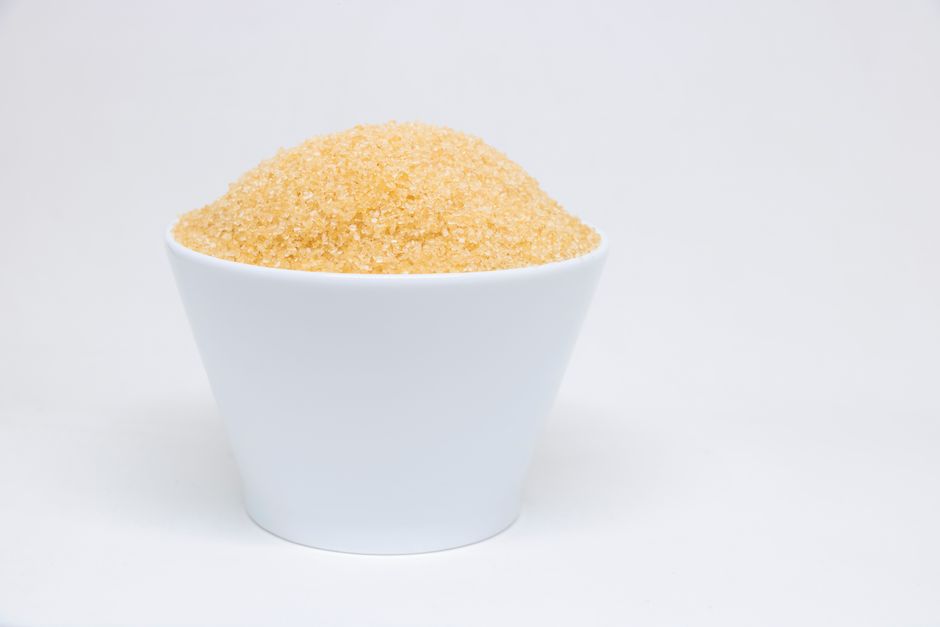
You can make brown sugar at home by mixing white granulated sugar with a small amount of molasses until it looks and feels like the brown sugar sold in stores. That is the standard method, and it works because commercial brown sugar is essentially white sugar with molasses added back in. If you truly have no molasses in the house, you can still get a brown-sugar-like result using a few pantry substitutes, though the flavor and texture will differ from the real thing.
What Is Brown Sugar Actually Made Of?
Brown sugar is white sugar plus molasses. That is the whole recipe at the industrial level.
Refined white sugar starts as sugar cane or sugar beet juice that has been purified until almost all the molasses is stripped away. To make brown sugar, manufacturers blend a measured amount of molasses back into refined white sugar. Light brown sugar contains less molasses than dark brown sugar, which is why the two behave differently in baking.
There is one older distinction worth knowing. Turbinado, muscovado, and similar unrefined or partially refined sugars are made differently. They retain some of their natural molasses because they are not fully refined in the first place. These are not the same product as the brown sugar on most grocery shelves, even though they look similar. Muscovado, for example, is darker, stickier, and has a much stronger flavor.
How Do You Make Brown Sugar Without Molasses?
If you have no molasses, the closest match comes from mixing white sugar with a dark, syrupy sweetener that carries similar caramel notes. Honey, maple syrup, and dark corn syrup are the most common stand-ins.
The method is the same for any of them:
- Measure 1 cup of white granulated sugar into a bowl.
- Add 1 to 2 teaspoons of your chosen syrup.
- Mix with a fork or your fingers until the color is even and no wet clumps remain.
- Break up any lumps and store in an airtight container.
Start with 1 teaspoon and add more only if the color and moisture are not where you want them. More liquid makes the sugar clumpier and harder to measure accurately.
Be aware of what changes. Honey and maple syrup are not molasses. They bring their own flavors, and honey in particular is sweeter and more aromatic. The result will brown the sugar and add moisture, but it will not taste identical to store-bought brown sugar. For most baking, that difference is small. In recipes where brown sugar flavor is the point, it will show.
Can You Just Use White Sugar Instead?
Sometimes yes, and the swap is simpler than most people expect. White sugar can replace brown sugar in many recipes, but it changes two things: flavor and moisture.
Brown sugar contains molasses, which is acidic and holds water. That acidity matters in recipes that rely on baking soda, because baking soda needs an acid to react and help the baked good rise. Swap brown sugar for white in a recipe built around baking soda, and you may get a flatter result.
Texture changes too. Brown sugar keeps baked goods softer and chewier because it holds moisture. White sugar tends to produce a crisper, drier crumb. Cookies made with all white sugar will spread differently and bake up crunchier than the same cookies made with brown.
If a recipe calls for brown sugar and you only have white, you can often substitute cup for cup. Just expect the differences above. For recipes where brown sugar is central, like chocolate chip cookies or gingerbread, the swap is more noticeable.





What About Coconut Sugar or Other Natural Sweeteners?
Coconut sugar and other unrefined sweeteners are sometimes suggested as brown sugar replacements. They are not the same product, and they do not behave the same way in baking.
Coconut sugar is made from the sap of coconut palm flowers. It is brown and somewhat caramel-like, so it looks the part. But it is less moist than brown sugar, and it does not hold water the same way. Baked goods made with coconut sugar tend to be drier and denser.
The same caution applies to date sugar, which is simply dried ground dates. It does not dissolve the way brown sugar does, so it will not blend smoothly into batters.
None of these are wrong to use. They are just different ingredients. If a recipe depends on brown sugar for moisture and acidity, a natural sweetener swap will change the outcome. Treat it as a substitution, not an equal exchange.
Why Does Brown Sugar Get Hard, and How Do You Fix It?
Brown sugar hardens because it loses moisture. The molasses that gives it color and softness dries out over time, and the sugar crystals fuse into a solid block.
This is not spoilage. Hard brown sugar is still safe to use. It just needs moisture put back.
The most reliable fix is a slice of bread or a damp paper towel. Put the brown sugar in an airtight container with a slice of fresh bread or a slightly damp (not wet) paper towel, seal it, and wait. The sugar pulls moisture from the bread, and within a day or so it softens. Remove the bread once the sugar is soft, or it will grow mold.
For faster results, you can microwave the brown sugar in short bursts, checking between each one. A few seconds at a time is enough. Overheating can melt the sugar and change its texture permanently.
To prevent hardening in the first place, store brown sugar in an airtight container. A zip-top bag with the air pressed out works. Keeping it sealed is the single most effective step.
Does Homemade Brown Sugar Store the Same Way?
Homemade brown sugar stores much like the store-bought kind, with one extra caution. Because you are mixing the molasses or syrup by hand, the moisture may not be distributed as evenly as it is in a factory blend.
That means homemade brown sugar can clump more quickly. Keep it in an airtight container, and if it firms up, use the same softening methods described above.
It will not keep indefinitely. Most homemade brown sugar is best used within a few weeks. After that, it may dry out or clump, though it remains safe to eat.
One practical note: if you used honey or maple syrup, the sugar will be stickier than molasses-based brown sugar. That stickiness can make it harder to measure by the spoonful. You may need to pack it firmly, the way you would pack standard brown sugar.
Is Homemade Brown Sugar Healthier Than Store-Bought?
No. This is worth saying plainly, because the idea that homemade or “natural” sugar is healthier is common and not supported.
Brown sugar, white sugar, honey, maple syrup, and coconut sugar all provide roughly similar amounts of calories and sugar per gram. The trace minerals in molasses and unrefined sugars are present in amounts too small to matter nutritionally. Your body handles them all as sugar.
The differences that matter are flavor, moisture, and how they behave in recipes. Those are real. Health advantages are not.
This does not mean sugar is something to fear. It means the choice between brown and white sugar is a cooking decision, not a health one.
Frequently Asked Questions
Can I make brown sugar without molasses?
Yes. Mix 1 cup of white sugar with 1 to 2 teaspoons of honey, maple syrup, or dark corn syrup until evenly blended. The result will be brown and moist, but the flavor will differ from molasses-based brown sugar.
What can I use instead of molasses in brown sugar?
Honey, maple syrup, and dark corn syrup are the most common substitutes. Each adds moisture and color, but none tastes exactly like molasses, so the final flavor will vary.
Can I substitute white sugar for brown sugar in baking?
Often yes, cup for cup. Keep in mind that white sugar lacks the moisture and acidity of brown sugar, so baked goods may turn out drier, crisper, or less risen, especially in recipes that use baking soda.
Is homemade brown sugar healthier than store-bought?
No. Brown sugar, white sugar, honey, and maple syrup all provide similar calories and sugar per gram. The trace minerals in molasses are too small in amount to have a meaningful nutritional effect.
