
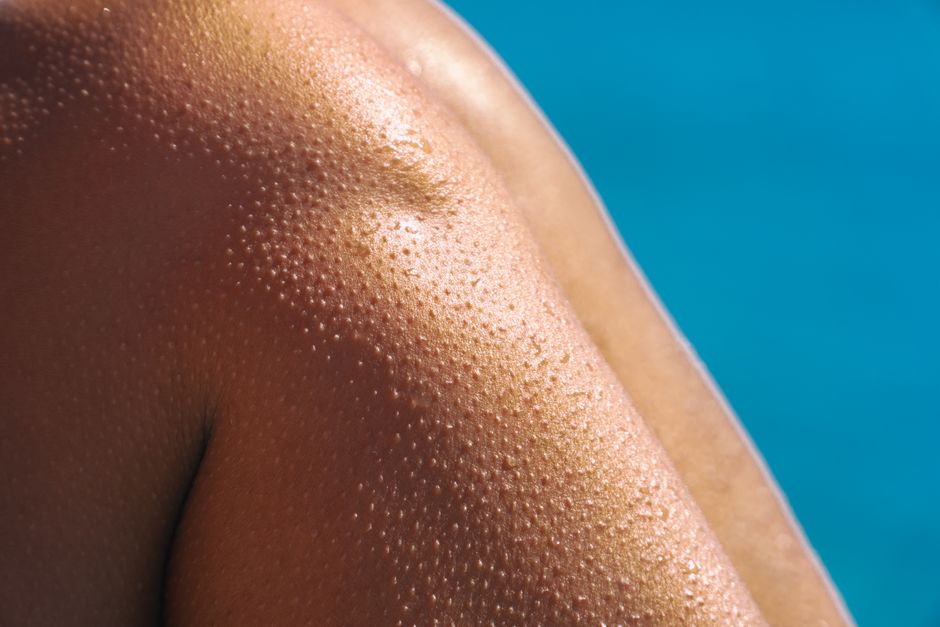
Heat rash is a common skin condition that happens when sweat gets trapped under your skin and blocks your sweat ducts. The fastest way to get rid of it is to move to a cool, dry environment, remove any tight clothing, and let the affected skin air out. Most heat rashes clear up on their own within a few days once your skin stops sweating and the ducts have a chance to open back up. The key is cooling down immediately and keeping the area dry, not applying heavy creams or lotions that can trap more sweat.
What Does Heat Rash Actually Look Like?
Heat rash looks like tiny red bumps or small clear blisters on your skin. It often shows up in areas where clothing rubs or where sweat collects — the neck, chest, back, groin, and under the breasts are common spots. In babies, it frequently appears in the diaper area and on the neck folds.
There are a few different types of heat rash, but the most common one — miliaria rubra — causes red bumps that can feel prickly or itchy. That prickling sensation is why heat rash is sometimes called “prickly heat.” A milder form, miliaria crystallina, looks like tiny clear or white blisters that usually don’t itch at all.
The bumpy texture happens because sweat escapes from your sweat gland into the layers of your skin instead of reaching the surface. That trapped sweat irritates the skin and causes the rash. It is not an infection, and it is not contagious.
How Do You Get Rid Of A Heat Rash Quickly?
Get out of the heat first. That is the single most important step. Move to an air-conditioned room or another cool, dry space. If air conditioning is not available, sit near a fan and remove as much clothing as practical.
Next, gently pat the affected area dry with a clean towel. Do not rub. Rubbing can irritate the skin further. Let the area air out completely before putting on fresh clothing. Choose loose, lightweight, breathable fabrics like cotton. Avoid synthetic materials that hold sweat against the skin.
A cool compress can bring fast relief. Soak a clean cloth in cool water, wring it out, and hold it against the rash for 10 to 15 minutes. Repeat as needed throughout the day. Do not use ice directly on the skin — that can cause a cold burn and make things worse.
Once you are cool and dry, leave the rash alone. The skin needs time to recover. Most cases of heat rash resolve within 1 to 3 days after you stop sweating in the affected area.
What Should You Put On Heat Rash?
Less is more when it comes to treating heat rash. The goal is to keep the skin dry and cool, not to add more moisture. Heavy ointments, thick creams, and oil-based products can block sweat ducts further and make the rash last longer.
If the rash is itchy, a lightweight, unscented lotion with calamine can help soothe the skin. Calamine has a cooling, drying effect that works well for heat rash. Some dermatologists recommend over-the-counter hydrocortisone cream at 0.5% or 1% strength for short-term relief of itching and inflammation. Use it for no more than a few days, and stop if the skin gets worse.
Antihistamines taken by mouth, such as diphenhydramine (Benadryl), can reduce itching as well. They are an option if the itch is keeping you awake or interfering with daily activities. These are general recommendations — if you have questions about what is appropriate for your specific situation, ask a pharmacist or doctor.
Some people turn to baby powder or talcum powder to dry the area. While these can absorb moisture, they can also clump and block sweat ducts. If you use powder, apply it very lightly. Cornstarch-based powders are generally considered safer than talc-based ones.





What Makes Heat Rash Worse?
Staying in a hot, humid environment is the main reason heat rash lingers. If you keep sweating in the same area, the rash will keep getting irritated. Repeating the same activities that caused the sweating — exercise, outdoor work, or time in a hot car — will slow down healing.
Wearing tight clothing is another common mistake. Compression garments, tight collars, and snug waistbands keep sweat pressed against the skin. Switch to loose clothing until the rash clears.
Scratching is a problem too. Scratching can break the skin and allow bacteria to enter, which turns a simple heat rash into an infected one. If the itch is intense, use a cool compress or an anti-itch product instead of scratching.
Applying heavy moisturizers or “barrier” creams can also make things worse. These products are designed to keep moisture in, which is the opposite of what heat rash needs. The skin needs to dry out, not stay hydrated.
When Should You See A Doctor?
Most heat rashes do not need medical attention. But there are signs that indicate you should get checked out. If the rash does not improve within a few days of staying cool and dry, or if it spreads, that is a reason to see a doctor.
Watch for signs of infection. Redness that spreads beyond the rash, warmth in the area, pus, swelling, or increasing pain all suggest a bacterial infection may have developed. A fever along with a rash is another red flag.
In rare cases, a severe form of heat rash called miliaria profunda can occur. This type affects deeper layers of the skin and can cause a feeling of goosebumps even when you are hot. It can also interfere with your body’s ability to sweat, which raises the risk of heat exhaustion. If you notice that you are not sweating normally in other parts of your body, seek medical attention.
If you develop dizziness, nausea, headache, rapid heartbeat, or confusion along with the rash, those are signs of heat exhaustion — a medical emergency. Get to a cool place and seek help immediately.
How To Prevent Heat Rash From Coming Back
Prevention is straightforward. Stay cool and dry, especially during hot, humid weather. Air conditioning is the most effective way to prevent heat rash because it keeps both temperature and humidity low.
When you know you will be in the heat, dress appropriately. Loose, light-colored, breathable clothing made from cotton or moisture-wicking fabrics is best. Change out of sweaty clothes as soon as you can after exercise or outdoor activity.
Shower after sweating heavily. A cool or lukewarm shower washes away sweat and helps unblock sweat ducts. Pat yourself dry gently afterward and let your skin fully air out before getting dressed.
If you exercise regularly in hot conditions, try to schedule workouts for cooler parts of the day. Gradually acclimate your body to the heat over a week or two if you are new to exercising outdoors in summer. This gives your sweat ducts time to adjust.
Frequently Asked Questions
Can heat rash go away in a few hours?
Mild heat rash can improve within a few hours once you move to a cool, dry environment and stop sweating. More developed rashes usually take 1 to 3 days to fully clear.
Is it okay to put aloe vera on heat rash?
Aloe vera gel can be soothing, but it adds moisture to the skin, which may delay healing. If you use it, choose a pure, lightweight gel and apply it sparingly, then let the skin dry completely.
Does heat rash spread on your body?
Heat rash does not spread from one person to another, but it can appear in multiple areas on your own body where sweating occurs. New bumps can keep forming as long as you continue to sweat in hot conditions.
Is heat rash a sign of a serious medical problem?
Heat rash itself is not serious and resolves on its own. However, if it comes with fever, dizziness, or confusion, those symptoms may indicate heat exhaustion, which requires prompt medical care.
