

Working outside in the heat is more than uncomfortable. It can be dangerous. Your body works hard to keep its core temperature near 98.6°F. When the air is hot and humid, that job gets much harder. The good news is that you can take real steps to protect yourself. The basics are simple: drink water before you are thirsty, wear the right clothing, take breaks in the shade, and know the warning signs of heat illness. These actions are not optional. They are the difference between finishing your shift and ending up in the emergency room.
How To Stay Cool Working Outside In The Heat
The most effective way to stay cool is to combine several strategies at once. No single trick will save you. Start by hydrating before you go outside. Drink 16 to 20 ounces of water about two hours before work. Then drink small amounts steadily throughout the day. Do not wait until your mouth feels dry. Thirst is a late sign that you are already behind on fluids.
Wear lightweight, light-colored clothing. Light colors reflect sunlight. Dark colors absorb it. Fabrics that breathe, like cotton or moisture-wicking synthetics, allow sweat to evaporate. Sweat evaporation is your body’s main cooling mechanism. If your clothes trap sweat against your skin, that cooling effect is lost.
Take breaks in the shade or air conditioning every hour. Even five minutes of cooling down helps your body reset. The Occupational Safety and Health Administration recommends a pattern of work and rest based on the heat index. When the heat index is above 91°F, more frequent breaks are needed. Some employers follow a 45-minutes-work, 15-minutes-rest schedule in extreme heat. If your employer does not offer this, take the breaks yourself.
Why Heat Affects Your Body So Quickly
Your body generates heat from working muscles. When you are active outside, you produce more heat than your body can release. Blood moves to your skin to try to cool you down. That means less blood goes to your muscles and brain. You feel tired. Your thinking slows. Your coordination drops. This is not weakness. It is physiology.
Sweating removes heat but also removes water and salt. If you replace only water, your blood sodium levels drop. If you replace nothing, you become dehydrated. Both states are dangerous. Heat cramps, heat exhaustion, and heat stroke are a progression of the same problem: the body losing its ability to cool itself.
Heat stroke is a medical emergency. Body temperature can rise above 104°F. The brain and other organs begin to fail. Sweating often stops, and skin becomes hot and dry. Confusion, slurred speech, and loss of consciousness are signs that someone needs emergency care immediately. Call 911 if these symptoms appear.
What To Drink And What To Avoid
Water is the baseline. For most people working a standard shift in the heat, water is enough if you also eat regular meals. The salt in food helps replace what you lose in sweat.
For longer shifts or very heavy work, sports drinks can help. They contain electrolytes like sodium and potassium. These help your body hold onto the water you drink. Some research suggests that drinks with electrolytes are better than plain water for prolonged sweating. The evidence is strongest for work lasting more than two hours.
Avoid alcohol and caffeine-heavy drinks during outdoor work. Alcohol dehydrates you. Caffeine can increase urine output, though the effect is modest for regular coffee drinkers. The bigger problem with energy drinks is that they often contain high amounts of caffeine and sugar, which can mask fatigue. Fatigue is a signal from your body that you need rest.
Do not rely on electrolyte powders or tablets unless you are sweating heavily for hours. Most people get enough salt from food. Adding extra salt when you do not need it can stress your kidneys.




The Right Clothing And Gear Makes A Difference
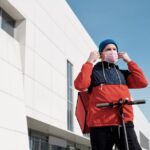
Your clothing choices affect your core temperature more than you might think. A wide-brimmed hat shades your face and neck. Sunglasses protect your eyes from UV damage. Sunscreen with SPF 30 or higher prevents sunburn. Sunburn damages your skin’s ability to sweat, which raises your core temperature.
Some workers use cooling towels or neck wraps. These work through evaporation. You wet them, wring them out, and place them on your neck or wrists. As the water evaporates, it pulls heat from your body. They are inexpensive and effective for short-term cooling.
There are also phase-change cooling vests used in some industries. These contain materials that absorb heat as they melt. They stay cool for a set amount of time, usually one to two hours. They are more expensive but useful for workers in extreme conditions like roofing or road construction.
Do not wear heavy rubber boots or non-breathing shoes if you can avoid them. Your feet sweat heavily. If that sweat cannot escape, you lose a cooling route and increase your risk of blisters and fungal infections.
How To Recognize Heat Exhaustion Early
Heat exhaustion is the stage before heat stroke. It is serious but treatable if caught early. Symptoms include heavy sweating, weakness, dizziness, headache, nausea, and a fast but weak pulse. Your skin may feel cool and clammy despite the heat.
If you notice these symptoms in yourself or a coworker, act immediately. Move to a cool place. Loosen clothing. Drink water or a sports drink. Apply cool, wet cloths to the skin. Rest until symptoms improve. Most people recover within 30 minutes if treated early.
The danger is ignoring these signs. Many workers push through because they want to finish the job. That is how heat exhaustion becomes heat stroke. Heat stroke symptoms include a body temperature above 103°F, hot dry skin, confusion, and fainting. This is a life-threatening emergency. Do not try to treat it on site. Call 911.
Acclimatization: Your Body Can Adapt
Your body adapts to heat over time. This process is called acclimatization. When you are first exposed to heat, your body is inefficient at cooling itself. After about one to two weeks of regular exposure, you sweat earlier, sweat more, and your heart works less hard to keep you cool.
This is why new workers and workers returning from vacation are at higher risk. Their bodies have lost the adaptation. OSHA recommends gradually increasing work time in the heat over a 7 to 14 day period. Start with 20 percent of the normal workload on day one and increase by 20 percent each day.
Acclimatization is not permanent. It fades after about a week away from heat. If you take a two-week vacation in winter, your heat tolerance resets. Plan for a ramp-up period when you return to hot work.
What To Do When Someone Shows Signs Of Heat Stroke
Heat stroke is a medical emergency. Do not wait for symptoms to pass. Call 911 immediately. While waiting for help, move the person to a shaded or air-conditioned area. Remove excess clothing. Cool the person rapidly with whatever you have: cold water, ice packs, wet cloths, or a hose.
Immersion in cold water is the most effective method, but it is not always possible on a job site. If you cannot immerse the person, use aggressive evaporative cooling. Spray them with water and fan them continuously. Apply ice packs to the armpits, groin, neck, and back where large blood vessels are close to the skin surface.
Do not give fluids to a person who is confused or unconscious. They may choke. Do not use fever-reducing medications like acetaminophen or ibuprofen. They do not treat heat stroke and can harm the liver or kidneys when combined with dehydration.
Working Alone In The Heat
Some jobs require working alone. This raises the risk because no one is there to recognize early warning signs. If you work alone outdoors, set a timer to check on yourself every 30 minutes. Ask yourself: Am I dizzy? Am I sweating normally? Is my heart pounding more than usual?
Tell someone your schedule and check in by phone at regular intervals. Keep a cooler with cold water and ice packs in your vehicle. If you feel unwell, stop working. It is not weak to stop. It is necessary.
Some employers have heat illness prevention programs. These include training, shade structures, and mandatory rest breaks. If your employer does not have one, ask about it. In many states, heat safety standards now require employers to provide water, shade, and training for outdoor workers.
Frequently Asked Questions
What temperature is too hot to work outside?
There is no single temperature that is universally unsafe. The heat index, which combines temperature and humidity, is a better measure. When the heat index reaches 91°F, OSHA recommends employers implement protective measures including increased breaks and access to shade.
How much water should I drink while working in the heat?
Drink about one cup of water every 15 to 20 minutes during active work in the heat. For shifts longer than two hours, include a sports drink or salty snack to replace electrolytes.
Does drinking cold water cool you down faster?
Cold water helps lower your core temperature slightly and is more refreshing, which encourages you to drink more. The main benefit is that you drink enough, not the temperature of the water itself.
Can I get used to working in the heat?
Yes, your body adapts through acclimatization over 7 to 14 days of gradual exposure. The adaptation fades after about a week away from heat, so you need to re-acclimate after vacations or time off.
