
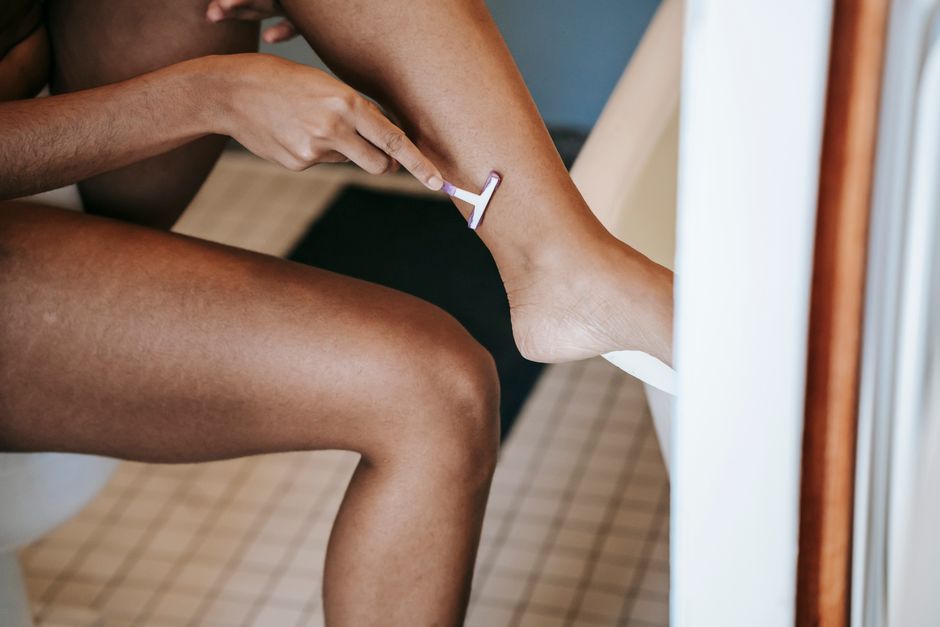
Razor burn happens when a blade scrapes away more than hair. It removes a thin layer of skin cells, irritates the hair follicle, and leaves behind redness, stinging, and small bumps. Most cases are mild and fade within a few days. The causes are well understood, and so is the prevention.
What Is Razor Burn, Exactly?
Razor burn is a form of irritant contact dermatitis. It is not an infection, and it is not an allergic reaction, though the two can look similar at first glance.
The irritation comes from mechanical injury. When a razor passes over skin, the blade lifts and cuts hair. If the blade tugs instead of slicing cleanly, it also scrapes the top layer of skin — the stratum corneum. That scraping damages the skin barrier and triggers inflammation. The result is redness, a burning or stinging sensation, and sometimes tiny red bumps around the hair follicles.
This is different from razor bumps, which have a specific medical name: pseudofolliculitis barbae. Razor bumps form when a cut hair curls back and grows into the skin, causing an inflammatory response. Razor burn is surface irritation from friction and scraping. They often occur together, which is why people use the terms interchangeably, but the mechanisms are not the same.
How Do You Get Razor Burn? Causes And Prevention
Nearly every case traces back to friction, and friction comes from a handful of specific conditions. Fix the conditions and most razor burn disappears.
Dull blades
A dull blade is the most common culprit. Sharp blades slice hair with minimal resistance. Dull blades pull and tug, and that tugging force transfers to the skin. A blade that has been used many times also accumulates rust, soap residue, and bacteria along the edge, which adds to skin irritation. There is no universal rule for when to replace a blade, since it depends on hair thickness, shaving frequency, and how the blade is stored. A blade that pulls rather than glides is past its useful life.
Shaving dry or without enough lubrication
Shaving cream, gel, or foam creates a cushion between the blade and the skin. Without it, the blade drags directly across dry skin. Water alone helps less than people assume, because water evaporates quickly and does not provide lasting slip. Shaving in the shower without any product is a common way to get razor burn.
Too much pressure
Pressing hard does not produce a closer shave. It presses the blade deeper into the skin, removing more of the protective surface layer. Light, even strokes work better and cause less damage.
Shaving against the grain
Hair grows in a direction, and shaving with that direction — the grain — creates less resistance. Shaving against it can produce a closer shave but also lifts the hair and irritates the follicle. For people prone to razor burn, shaving with the grain is the safer choice. A second pass across the grain, not against it, can get closer without the same level of irritation.
Multiple passes over the same spot
Going over the same area repeatedly multiplies the friction. Each pass removes a little more skin. This is one of the most overlooked causes, because people often repeat strokes trying to get a stubborn patch of hair.
Sensitive or already-irritated skin
Skin that is dry, sunburned, or already inflamed has a compromised barrier and reacts more strongly to the same amount of friction. Some people also have naturally more sensitive skin and will develop razor burn from shaving conditions that would not bother someone else.
Which Body Areas Are Most Prone to Razor Burn?
Razor burn can happen anywhere hair grows, but some areas are more vulnerable because of skin thickness, curvature, and hair texture.
- Neck: The skin is thin, the hair often grows in multiple directions, and it is hard to keep the blade angle consistent.
- Bikini line and groin: The skin is delicate, curved, and often covered by clothing that rubs against freshly shaved skin.
- Underarms: The skin folds and the area stays warm and moist, which can worsen irritation.
- Face and jawline: Common in people with coarse or curly hair, especially when shaving against the grain.
Curly hair is a notable factor. Hair that curls tightly is more likely to curve back into the skin after being cut, which is why razor bumps are more common in people with this hair type. That is a structural issue, not a shaving technique problem.





What Does Razor Burn Look and Feel Like?
Razor burn usually appears within minutes to hours after shaving. The skin looks red or pink in the shaved area. It may feel warm, tight, or like it is stinging. Small bumps can form around the hair follicles.
Most cases settle down on their own within a few days. The redness fades first, then the bumps. If the area becomes increasingly painful, develops pus-filled bumps, or spreads, that suggests something else — possibly a bacterial infection or folliculitis — and is worth having a clinician look at. Razor burn itself does not produce pus.
How Do You Prevent Razor Burn?
Prevention comes down to reducing friction at every step. These measures are widely recommended and align with how the skin barrier works.
- Shave at the end of a shower or bath, when hair has absorbed water and is softer.
- Apply a shaving cream, gel, or oil and let it sit for a moment before starting.
- Use a sharp blade and replace it when it starts to pull.
- Use short, light strokes. Do not press down.
- Rinse the blade after each stroke to clear hair and product.
- Shave with the grain first. Only go against the grain if your skin tolerates it.
- Avoid repeating strokes over the same area.
- Rinse with cool water and pat dry. Do not rub.
- Apply a fragrance-free moisturizer or aftershave balm afterward.
For people who get razor burn repeatedly no matter what they change, alternatives exist. Electric razors cut hair differently and often cause less irritation than a blade dragged across the skin. Depilatory creams dissolve hair chemically, though they can irritate sensitive skin and should be tested on a small area first. Laser hair removal reduces hair growth over time and is the most durable option for people with chronic razor burn, though it requires multiple sessions and does not work equally well for all hair and skin color combinations.
Does Aftercare Make a Difference?
What you do after shaving affects how quickly the skin recovers. Cooling the skin with a cool rinse helps reduce the initial heat and redness. A fragrance-free moisturizer supports the skin barrier while it repairs.
Products containing alcohol, fragrance, or menthol can feel soothing at first because of the cooling sensation, but they can dry and irritate skin that is already compromised. For razor burn, simple and bland is better than tingling and scented.
If razor burn does occur, avoiding shaving over that area until it heals gives the skin time to recover. Shaving over irritated skin removes the new, fragile layer of cells that is trying to repair the damage, which prolongs the problem.
When Should You See a Doctor?
Most razor burn does not need medical attention. It is worth seeing a clinician if the area becomes increasingly painful, develops pus-filled bumps, spreads beyond the shaved area, or does not improve after several days.
These signs point away from simple razor burn. Pus, spreading redness, and worsening pain suggest a bacterial infection or folliculitis, which may need treatment. A clinician can tell the difference between irritation and infection, and that distinction matters because the treatments are different.
Frequently Asked Questions
How long does razor burn last?
Most razor burn fades within a few days, with redness improving before the bumps do. If it lasts longer than about a week or gets worse, have a clinician check it.
Is razor burn the same as razor bumps?
No. Razor burn is surface skin irritation from friction, while razor bumps form when a cut hair curls back and grows into the skin. They often happen together but have different causes.
Can I shave over razor burn?
It is best to avoid shaving the irritated area until it heals, because shaving over it removes the fragile new skin cells trying to repair the damage. If you must shave, use a sharp blade, plenty of lubrication, and light pressure.
Does shaving against the grain cause razor burn?
Shaving against the grain increases friction and follicle irritation, which raises the risk of razor burn. Shaving with the grain first, then across it if needed, causes less irritation for most people.
