
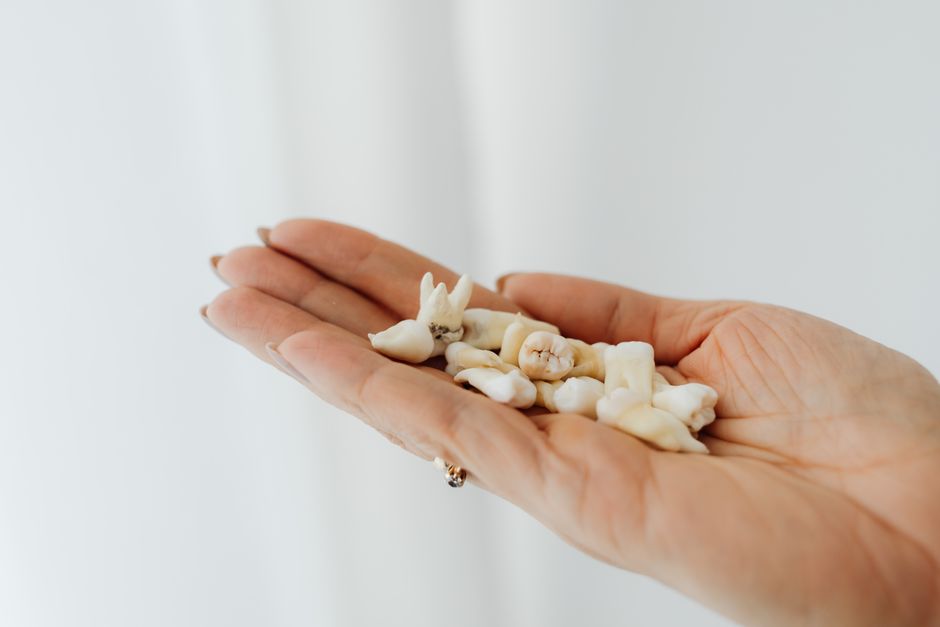
Food gets stuck in wisdom teeth holes because the socket left behind after extraction is a small pit that traps debris. The fix is gentle irrigation with a syringe and warm salt water, done carefully so you don’t dislodge the protective blood clot. Never use a toothpick, fingernail, or anything sharp to dig food out. If the socket is painful, swollen, or smells bad, that points to a different problem than trapped food and needs a dentist’s attention.
Why Do Wisdom Teeth Holes Trap Food?
A wisdom tooth sits in a socket carved into the jawbone. When the tooth is removed, that socket does not close up right away. It fills with a blood clot, then heals gradually from the inside out over weeks.
During that healing window, the socket is an open pit. Its walls are soft tissue, and its depth varies depending on how the tooth came out. A fully erupted tooth leaves a shallow divot. An impacted tooth that required surgical removal can leave a deeper, narrower hole that collects food far more easily.
Lower wisdom teeth tend to be worse offenders than upper ones. Gravity works against you, and the lower sockets sit near the back of the mouth where the tongue pushes food during chewing. The shape of the socket also matters. A round opening with a narrow base acts like a cup. Bits of rice, seeds, popcorn hulls, and leafy greens slide in and stay put.
This is normal during healing. It is annoying, not dangerous by itself. The trouble starts when food sits there for days, or when people try to remove it with the wrong tools.
How Do You Get Food Out Of Wisdom Teeth Holes Safely?
The safest method is irrigation with a curved-tip plastic syringe and warm salt water. Your dentist or oral surgeon can give you one, and most pharmacies sell them. A plastic syringe with a blunt curved tip lets you aim a gentle stream directly into the socket without poking tissue.
Here is the process most oral surgeons describe:
- Mix about half a teaspoon of salt into a cup of warm water. Warm, not hot.
- Fill the syringe and place the curved tip just at the opening of the socket, not jammed inside it.
- Press the plunger gently. A slow, steady stream works better than a hard blast.
- Let the water and debris flow out on their own. Do not suction or scrape.
- Repeat until the water runs clear, usually a few gentle flushes.
- Rinse two to three times a day, especially after meals.
Force matters more than people expect. Pushing hard can blast the clot loose or drive debris deeper. Gentle and repeated beats forceful and fast.
If irrigation alone doesn’t clear it, a soft-bristled toothbrush used lightly near the socket can help. Some clinicians also suggest a very gentle swish of salt water, letting it move around the mouth without vigorous agitation. Vigorous swishing is the thing to avoid in the first days after extraction.
What Should You Never Use To Remove Food?
Do not use a toothpick, a fork, a fingernail, tweezers, or a cotton swab to dig food out of a healing socket. This is the single most common way people turn a minor annoyance into a painful problem.
The tissue inside a healing socket is fragile. Scraping at it can dislodge the blood clot that protects the bone and nerve underneath. When that clot comes out too early, the result is a dry socket. A dry socket is genuinely painful, often more painful than the extraction itself, and it usually needs a dentist to place a medicated dressing.
Water flossers are another trap. A standard water flosser delivers a focused, high-pressure stream. Used on a fresh socket, that pressure can do real damage. Some people use them on a low setting weeks later, but this is not something to guess at. Ask your dentist before pointing one at a healing socket.
Mouthwash is not a substitute either. Many rinses contain alcohol, which stings open tissue. Even alcohol-free rinses are not designed to flush debris from a socket.




When Should You Stop Irrigating?
Most sockets close enough that food stops getting trapped within a few weeks. As the tissue fills in from the bottom up, the pit gets shallower and eventually flattens out.
You can usually taper off irrigation once food no longer collects there. Some people keep a syringe on hand for a while longer because a deep socket can hold debris for several weeks. That is fine as long as you are gentle and the area is not painful.
The timeline varies a lot from person to person. A simple extraction in a younger person often heals faster than a surgical removal in someone older. Smoking, diabetes, and certain medications can slow healing. If you are still flushing food out of a socket months later, that is worth mentioning to your dentist. It may mean the socket healed with a shape that traps debris, or that something else is going on.
What If Food Is Stuck And It Hurts?
Pain is the signal that changes the plan. Trapped food by itself is not usually painful once you stop poking at it. If the socket throbs, aches, or hurts more than it did a few days ago, that is not a food problem.
The most likely cause is a dry socket, where the protective clot has been lost and bone and nerve are exposed. Other possibilities include infection or a piece of bone fragment working its way out. These look similar to a layperson and can be hard to tell apart. A dentist can distinguish them.
Signs that mean call your dentist rather than keep irrigating:
- Pain that is getting worse instead of better after the first few days
- A bad taste or foul smell coming from the socket
- Swelling that increases rather than decreases
- Fever
- Visible pus
- Pain that radiates to your ear, jaw, or neck
Do not try to tough these out with more salt water rinses. A dry socket typically needs a dressing placed by a clinician, and an infection may need antibiotics. Neither resolves with home irrigation.
Can You Prevent Food From Getting Stuck In The First Place?
You cannot fully prevent it, but you can reduce how much collects. Chewing on the opposite side of your mouth for the first week or two helps. So does avoiding foods that break into small, sharp pieces.
Foods that tend to cause the most trouble:
- Rice and other small grains
- Seeds, including sesame and poppy
- Popcorn, especially the hulls
- Nuts and crunchy snacks
- Leafy greens like spinach and lettuce
- Berries with tiny seeds
This does not mean you must avoid these foods entirely. It means being aware that they are the usual culprits and rinsing gently after eating them.
One detail worth knowing: the blood clot is not just a plug. It is a scaffold that new tissue and blood vessels grow into. Protecting it in the first few days does more for your healing than any rinsing routine. That is why the early instructions focus on rest, no vigorous swishing, no straws, and no smoking. Irrigation usually starts a day or two after surgery, once your dentist gives the go-ahead.
Frequently Asked Questions
How do you get food out of wisdom teeth holes?
Use a plastic curved-tip syringe filled with warm salt water and flush the socket gently until the water runs clear. Never dig at it with a toothpick, fingernail, or any sharp object.
Can I use a toothpick to remove food from a wisdom tooth hole?
No. A toothpick can scrape the healing tissue and dislodge the blood clot, which can lead to a painful dry socket. A gentle salt water flush is the safe option.
How long do wisdom teeth holes trap food?
Most sockets stop collecting food within a few weeks as the tissue fills in from the bottom up. Healing speed varies, and deeper surgical sockets often take longer than simple extractions.
What does it mean if the hole smells bad or hurts?
A foul taste or smell, worsening pain, or swelling usually points to a dry socket or infection rather than trapped food. Call your dentist, because these typically need treatment that home rinsing cannot provide.
