
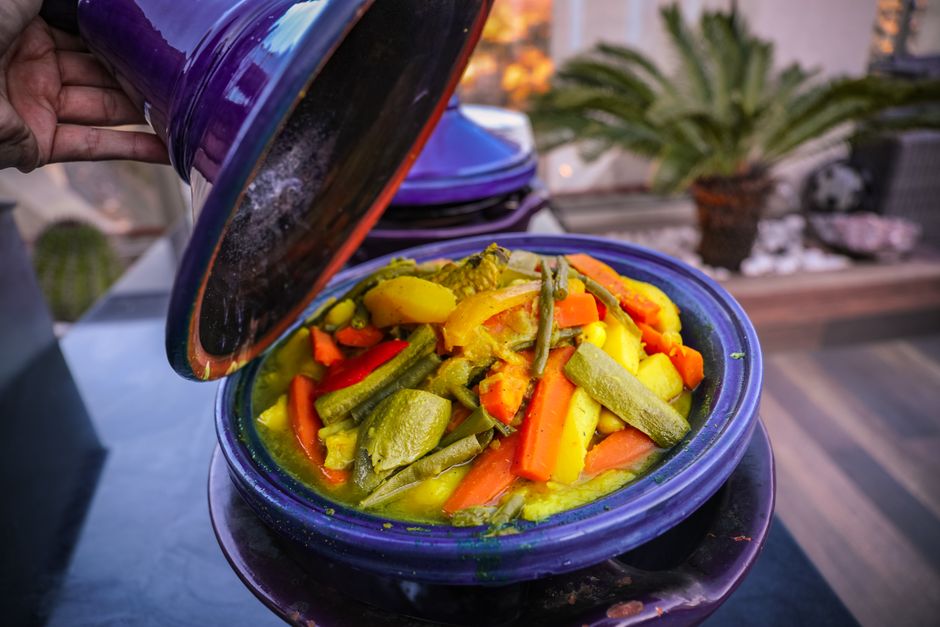
Moroccan food sits at the crossroads of Mediterranean, North African, and Middle Eastern cooking — and that mix shows up on the plate. The short answer: the traditional version of this cuisine is one of the healthier eating patterns in the world, built on vegetables, legumes, olive oil, whole grains, and fish. The risks come mostly from how the food is prepared and how often you eat it, not from the cuisine itself.
Is Moroccan Food Healthy? What the Traditional Diet Actually Looks Like
Traditional Moroccan home cooking is closer to the Mediterranean diet than most people realize. The everyday plate centers on vegetables, chickpeas, lentils, whole wheat bread, olives, and olive oil. Meat is often a flavoring rather than the main event.
Tagines are the clearest example. A tagine is a slow-cooked stew, and its bulk is usually onion, tomato, carrot, zucchini, or turnip. Lamb or chicken may be in there, but in modest amounts compared to a typical American steak dinner.
The cuisine also leans heavily on herbs and spices — cumin, coriander, cinnamon, ginger, turmeric, saffron, paprika, and fresh parsley and cilantro. These add flavor with very little salt or fat, which matters for anyone watching blood pressure.
Fish is common along the coast, especially in cities like Essaouira and Agadir. Sardines, anchovies, and mackerel are affordable and rich in omega-3 fatty acids.
Where Moroccan food differs from a standard Western diet is what it does not rely on: processed snacks, sugary drinks, and refined white flour in large amounts. The traditional pattern is built on whole foods cooked at home.
What Are the Main Health Benefits of Moroccan Food?
The benefits come from the ingredients, not from any single dish. Several components of the traditional diet have strong evidence behind them.
Olive oil is the primary fat. Research consistently links olive oil as a main fat source to better cardiovascular outcomes, particularly in Mediterranean-style eating patterns.
Legumes like chickpeas and lentils appear at almost every meal. They provide fiber, plant protein, and slow-digesting carbohydrates that help with blood sugar control and satiety.
Vegetable volume is high. A typical Moroccan salad course, called salade marocaine, is finely chopped tomato, cucumber, onion, and pepper — often eaten before the main dish, which naturally fills you up before heavier foods arrive.
Spices such as turmeric and ginger contain compounds studied for anti-inflammatory effects. The evidence in humans is still developing, and it would be an overstatement to say spices treat disease. What is clear is that they replace salt and processed flavorings.
Whole grains like barley, bulgur, and whole wheat couscous provide fiber that refined grains lack.
Put together, this pattern resembles what nutrition researchers call a plant-forward Mediterranean-style diet. That pattern is one of the most studied eating styles in the world, with consistent associations to lower rates of heart disease and type 2 diabetes.
What Are the Risks and Downsides?
The risks in Moroccan food are real but specific. They come from preparation methods and portion habits, not from the cuisine’s core ingredients.
Salt. Preserved lemons, olives, and many tagine recipes use significant salt. Some traditional breads and pickled vegetables add more. For people with hypertension or kidney disease, this matters.
Sugar. Moroccan cuisine has a serious sweet tooth. Dishes like lamb with prunes and almonds, pastilla, and many tagines balance savory with honey, dried fruit, or sugar. Mint tea is traditionally poured with a lot of sugar — sometimes several teaspoons per small glass.
Refined carbohydrates. Couscous is often made from refined semolina rather than whole grain. White bread is the default in many households. This is a modern shift, not a traditional one.
Fried foods. Street food and some home cooking include fried items like msemen, sfinj, and fried fish. These add calories and saturated fat.
Portion size. A restaurant tagine can easily serve two or three people. Communal eating can make it hard to track how much you actually ate.
Calorie density. Dried fruit, nuts, honey, and oil are all nutrient-dense but calorie-dense. A dish with all four can carry a lot of calories in a small serving.
None of these make Moroccan food unhealthy. They make it something to eat thoughtfully rather than automatically.




How Does Moroccan Food Compare to Other Diets?
Compared to a standard Western diet, traditional Moroccan eating wins on almost every measure. More vegetables, more fiber, more legumes, less processed food.
Compared to a strict Mediterranean diet, it is very close, with two differences. Moroccan cooking uses more dried fruit and honey, and it uses more preserved and salted ingredients.
Compared to a typical American restaurant meal, a home-cooked tagine has less added sugar, less refined flour, and more vegetable volume.
| Feature | Traditional Moroccan | Standard Western |
|---|---|---|
| Main fat | Olive oil | Butter, processed oils |
| Protein sources | Legumes, fish, moderate meat | Red meat, processed meat |
| Vegetable volume | High | Low |
| Added sugar | Moderate to high | High |
| Fiber | High from legumes and vegetables | Low |
| Salt | Moderate to high | High |
How Can You Eat Moroccan Food in a Balanced Way?
Balance comes from what you cook and how you season it, not from avoiding the cuisine. A few adjustments preserve the flavor and reduce the risk factors.
- Use whole wheat couscous or barley instead of refined semolina.
- Rinse preserved lemons and olives before using them to reduce surface salt.
- Cut the sugar in mint tea gradually — many people find they prefer it after a few weeks.
- Increase the vegetable-to-meat ratio in tagines. More carrot, less lamb.
- Choose grilled or baked fish over fried.
- Keep dried fruit and nuts as a garnish rather than a main ingredient.
- Serve salad first. It is traditional and it works.
These are not drastic changes. They move the cuisine closer to its own traditional roots, which were less sweet and less salty than many modern versions.
One thing worth knowing: the “Moroccan diet” sold in some wellness circles is not the same as what people actually eat in Morocco. Marketing often borrows the name for spice blends or detox teas. The health benefits come from the whole food pattern, not from any single product.
Who Should Be Careful With Moroccan Food?
Most people can eat Moroccan food without concern. A few groups should pay closer attention.
People with high blood pressure or kidney disease should watch sodium from preserved lemons, olives, and salted breads. The Dietary Guidelines for Americans recommend keeping sodium under 2,300 mg per day for most adults, and traditional Moroccan dishes can push that higher quickly.
People with diabetes should note that couscous, white bread, and sweet tagines can raise blood sugar. Whole grain versions and smaller portions of sweet dishes help.
People with celiac disease or gluten sensitivity need to avoid couscous, bread, and pastilla, which are all wheat-based. Some Moroccan dishes are naturally gluten-free, like certain tagines and salads.
People on blood-thinning medication should be aware that Moroccan cooking uses a lot of leafy greens and herbs rich in vitamin K, which can interact with warfarin. This does not mean avoiding the food — it means keeping intake consistent and talking to a clinician.
Anyone with a nut allergy should ask about almonds, which appear in many dishes and desserts.
The Bottom Line on Moroccan Food and Health
Moroccan food is healthy in its traditional form. It is built on vegetables, legumes, olive oil, fish, and whole grains, with herbs and spices doing the work that salt and sugar do in other cuisines.
The risks are concentrated in salt, added sugar, refined grains, and fried items — all of which are modern additions or preparation choices, not core features of the cuisine. Adjusting those does not require giving up the food. It requires cooking it the way Moroccan home cooks have done for generations.
If you want a single takeaway: eat the tagine, skip the extra sugar in the tea, and go easy on the preserved lemons if your blood pressure is a concern.
Frequently Asked Questions
Is Moroccan food healthy for weight loss?
Traditional Moroccan food can support weight loss because it is high in vegetables, legumes, and fiber, which promote fullness. Weight loss still depends on total calorie intake, and sweet tagines, fried breads, and sugary tea can work against it.
Is couscous healthy?
Whole wheat couscous is a good source of fiber and complex carbohydrates, while refined couscous is lower in fiber and digests faster. Choosing whole wheat and controlling portion size makes couscous a reasonable part of a balanced meal.
Is Moroccan mint tea bad for you?
The tea itself is fine — green tea with mint has antioxidants and no calories. The issue is the sugar, which in traditional preparation can add several teaspoons per glass and contribute meaningfully to daily sugar intake.
What are the healthiest Moroccan dishes?
Harira soup, vegetable tagines, grilled fish, lentil salads, and salade marocaine are among the healthiest choices. They are high in vegetables, legumes, and fiber, and low in added sugar and refined grains.
